
What the day feels like
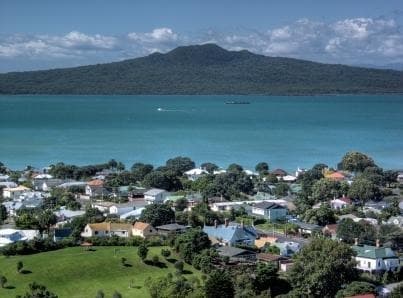
The ferry slips away from downtown Auckland and, within half an hour, the city’s skyline becomes a distant cluster of glass and steel. Ahead lie scoured volcanic ridges, timbered coves and a constellation of islands that feel less like tourist stops and more like a handful of different worlds. This is the Hauraki Gulf — Tikapa Moana — where wind and tide have shaped a coastline that alternates between sheltered beaches and sudden, cliffed drama. On any given day the gulf offers something physically immediate: the quick, salt-sharp tang in your mouth as you step aboard a 41-foot catamaran; the slap of water against the hull as dolphins streak bow-side; the hush of native forest on Tiritiri Matangi where tūī and kōkako argue their presence.
For travelers based in Auckland, the gulf is the nearest thing to instant escape. It’s also an ecosystem with national significance: the Hauraki Gulf Marine Park was established by Parliament in 2000 to protect both the sea and the islands within it. That protection has enabled a string of conservation success stories — predator-free sanctuaries, seabird recoveries and a flourishing marine-research culture that both studies and depends upon visitors for awareness and funding.
How you engage with the gulf determines what you walk away with. The Hauraki Gulf Eco Sailing Adventure, departing from Waiheke Island aboard the Pacific Star, is the archetypal day at sea: a small-group sail into the outer gulf, a guided walk on a pest-free island, and the kind of on-deck conversations that pivot from seabird ID to the quirks of local kai moana (seafood). The cruise operators tailor each day to wind and tide; that flexibility is part of the point. On calmer days, the boat will drop anchor in a blue bay for snorkeling and stand-up paddleboarding. When it’s brisk, you’ll feel the catamaran picking up the wind and the hull humming as it slices toward open water.
Wildlife-focused outings center on sighting the gulf’s charismatic residents. The Auckland Dolphin and Whale Watching Eco-Safari Cruise leaves from the Viaduct Harbour and doubles as a working research platform; passengers contribute to monitoring efforts, and ticket sales often support local restoration groups. Dolphins — mostly common and bottlenose varieties — are frequent, and in season you might spot migrating whales across the deeper channels. Operators in the gulf are conscious of best-practice viewing distances; they’ll educate as well as thrill.
If you want the ocean literally all around you, book a scuba trip. The Full-Day Scuba Dive Charter out of Warkworth is aimed at experienced divers chasing pelagic encounters, including juvenile hammerhead sharks that pass the gulf en route to the Pacific. These are technical excursions: expect a full day out, strict medical/declaration requirements and seas that can be choppy beyond the inner islands.
There’s a terrestrial side to the gulf that’s just as compelling. Rotoroa Island is a conservation sanctuary with open fields, restored buildings and a high chance of spotting native birds that have nowhere else to roam in the region. Tiritiri Matangi is the poster child: pest-free since its intensive restoration, its tracks lead past coastal bluffs and New Zealand’s oldest working lighthouse. An easy 10-minute walk from Tiritiri wharf takes you to Hobbs Beach, perfect for a picnic after a morning of birdwatching. If you prefer human flavors, Waiheke — often called the “Island of Wine” — blends gravel roads, boutique vineyards and cliff-top tasting rooms; the Private Essence of Waiheke Wine Tour is the efficient way to sample three top producers and a long lunch.
For something more active, try a zipline and forest walk on Waiheke. It compresses adrenaline and nature into one day, and the high vantage points offer a different read on the gulf — patchworks of vineyard and coastal scrub where you can watch boats threading channels below.
Practicalities matter here: summer brings the most stable weather and warm water for snorkeling, but it also brings crowds. Ferries and island cruises sell out; book ahead for weekend departures. If you’re diving or trying to swim with wildlife, check operator requirements — a dive medical declaration and certification are mandatory for the hammerhead trips. Pack a light waterproof, reef-safe sunscreen and a pair of water shoes or sturdy sandals for island walking.
Respect is part of the itinerary. Many islands are predator-free sanctuaries; stray food, litter or even a stowaway seed can undo years of restoration work. Operators and island trusts have clear rules: stay on paths, don’t feed wildlife, and follow briefing instructions for wildlife viewing. Doing so keeps the Hauraki Gulf wild for the next group of visitors and for the birds and marine life that call it home.
You don’t have to be an expert to access the gulf, and you don’t have to be a thrill-seeker to find your moment. There’s a shared vibe across experiences here: a focus on interpretation, a sense that each boat and island carries stories — geological, cultural and natural — and a practical, no-frills approach to getting you there and back safely. Whether you’re lapsing into the steady rhythm of a catamaran, standing at a lighthouse squinting at a fur seal on a rock, or idling through vines in Waiheke with a glass in hand, the Hauraki Gulf rewards attention. It’s close, changeable and essential to Auckland’s identity — a salt-streaked classroom that manages to teach you how precarious and resilient nature can be, all in the time it takes the ferry to cross the channel.
Trail wisdom
Small choices, better day.
Book ferries and cruises early
Summer weekends fill quickly; reserve ferry seats and island-cruise slots at least a week in advance to secure preferred times.
Carry reef-safe sunscreen and water
Protect marine life and your skin—bring at least 1–2 liters of water and a reef-safe SPF for days on deck or beach.
Respect pest-free island rules
Stay on marked tracks, avoid taking food ashore and check biosecurity instructions to protect native species.
Bring layers and a windproof
Weather on the water can flip quickly; a lightweight windproof makes boat time more comfortable and keeps you warm after swimming.
Local knowledge
Read the place, not just the route.
Watch for native species including Bottlenose and common dolphins, Takahē and kōkako in restored island forests.
Keep an eye out for wildlife during the transition between areas and habitats. Respect distance guidelines.
Several islands have been cleared of introduced predators and managed as sanctuaries; many cruise operators donate to gulf restoration funds and support on-the-ground pest control.
Follow the guide's instructions on size limits, ethical handling, and leave-no-trace practices.
Hobbs Beach on Tiritiri Matangi — a quiet picnic cove reached by a short coastal walk. Man O' War Bay and surrounding vineyards on Waiheke for out-of-the-way tasting rooms
Locally recommended viewpoints and quiet spots known best to local operators.
Tikapa Moana (the Hauraki Gulf) is steeped in Māori history; multiple iwi including Ngāi Tai ki Tāmaki have ancestral connections to the islands and coastline. The Hauraki Gulf Marine Park was legislated in 2000 to protect its environmental and cultural values.
Maritime roots and regional tradition shape the waterways and working coasts.
Seasonal guide
Four versions of the same landscape.
Spring
Best forbirdsong and chicks · fewer crowds · cool, crisp sailing
Challengesshowery weather · variable sea state
Spring brings active birdlife as restored island populations breed; expect cooler mornings and occasional rain.
Summer
Best forsnorkeling and swimming · reliable ferry schedules · long daylight
Challengescrowds on Waiheke · higher accommodation rates
Summer is prime for water activities and wine tours, but plan ahead for bookings and sun protection.
Fall
Best forcalmer seas · clear light for photography · off-peak island visits
Challengespossibility of sudden southerlies · shorter days
Autumn provides stable light and quieter islands — ideal for photographers and walkers who prefer space.
Winter
Best forstorm-watching from sheltered coves · quiet conservation visits · lower prices
Challengeschillier water · restricted swimming and rougher crossings
Winter can be dramatic at sea; pack warm layers and expect the occasional cancellation in rough weather.
Pack with intention
What to bring.
Good to know
Common questions.
Ferries from Auckland’s downtown terminals to Waiheke typically take 35–40 minutes on the fast ferries; public ferries may take longer.
Plan the edges
The details that make the day easier.
The Hauraki Gulf contains over 50 islands, including Waiheke, Great Barrier (Aotea) and Little Barrier (Hauturu); the area was designated the Hauraki Gulf Marine Park by law in 2000.
Māori place names and stories are integral across the gulf; pair a wine-tasting day on Waiheke with seafood like fresh pāua or mussels when in town. Small island cafés often serve locally sourced fare — a good way to taste the region.
- Base yourself in Auckland (Viaduct Harbour) or Waiheke for faster departures. Ferries
- 35–40 minutes. Book island cruises (Tiritiri Matangi, Rotoroa) online; check operator wet-gear and medical requirements for diving. Expect variable weather and pack layers.
Choose operators that contribute to local conservation funds, use reef-safe sunscreen, and obey biosecurity rules when landing — small actions protect predator-free sanctuaries and marine life.
Explore by topic
Follow the threads.
Keep exploring
Make the story part of the trip.
Set out from Bass Harbor for a private, customizable day on Blue Hill Bay — lighthouses, puffins, seals, and the chance to feel Acadia from the water. Small groups, local captains, unforgettable views.
In four hours you can move from shaded canyon ferns to wind-scoured coastal ridgelines, guided by someone who knows where the light—and the hidden views—live. This private half-day hike on the Monterey Peninsula or Big Sur is compact, curated, and perfect for travelers who want depth without a multiday commitment.
 Related story
Beneath a sky of shifting light, Skaftafell’s ice reads like a map of time. This three-hour guided glacier hike mixes technical instruction with geology and culture: compact, safe, and unforgettable.