
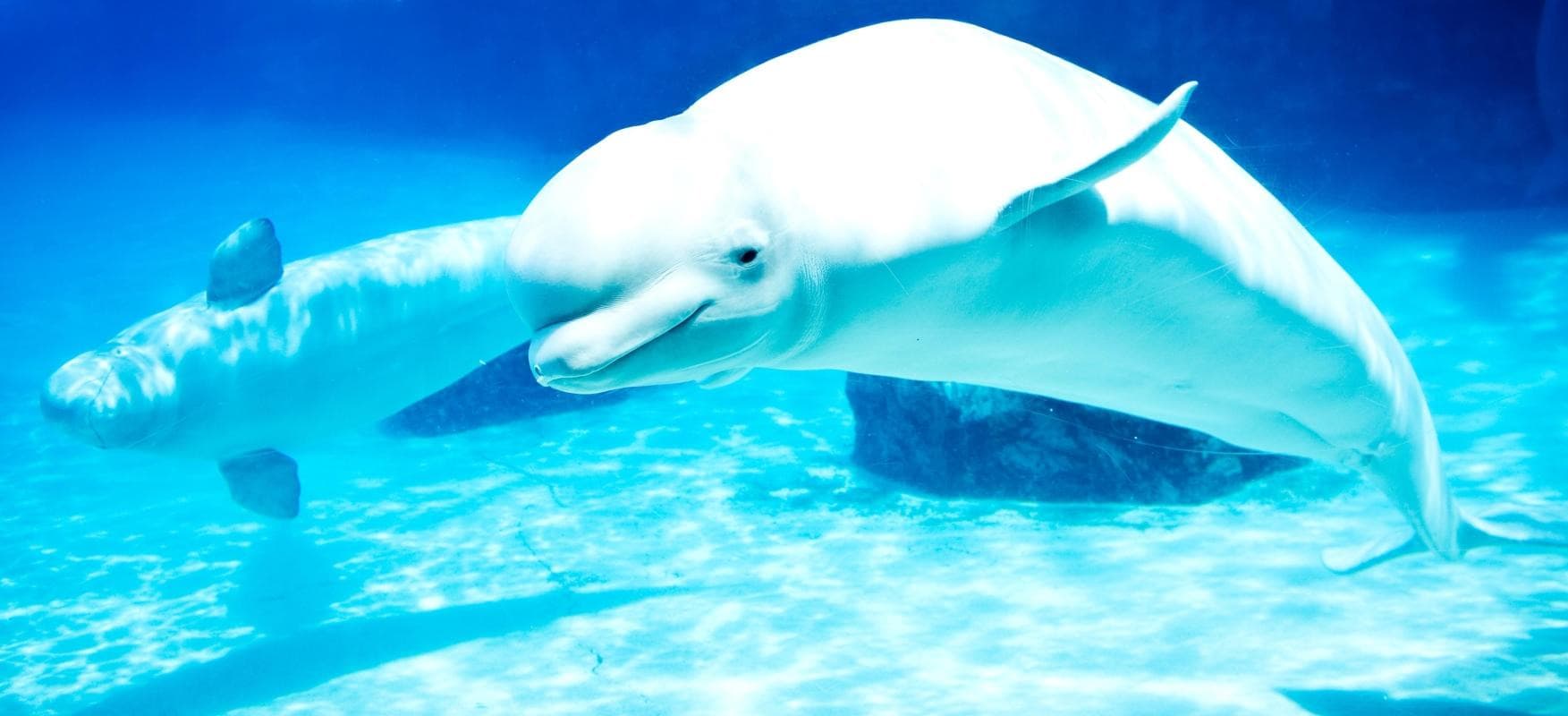
What the day feels like
You arrive with the sound of Niagara already in your bones — a distant, constant thunder that makes the concrete of the nearby promenade feel warm underfoot. The Aquarium of Niagara sits a short walk from the river’s edge, a low-slung building that funnels that same raw energy inward. Inside, the roar softens into the click of seal teeth, the hush of a penguin colony, and the steady pulse of filtered ocean. It’s an intimate counterpoint to the immensity outside: where the Falls dare you with motion and scale, the Aquarium of Niagara invites a quieter kind of wonder, one measured in the tilt of a sea lion’s head or the flash of a shark’s flank.
The Aquarium has anchored this corner of Niagara Falls for generations, offering an accessible, education-forward window into marine life. It’s the kind of place that suits a wet, wind-driven afternoon as naturally as a sunny family day. Its galleries are compact — designed for learning and close encounters rather than theatrical spectacle — and that intimacy is its strength. You can watch trainers at work during a sea lion briefing, linger at the touch tank until a child squeals at the ticklish texture of a starfish, and map the silent choreography of penguins as they patrol their rockwork like tiny, tuxedoed sentinels.
Geology here is never far from the story. The Niagara River carved its channel and created the drop that makes the Falls possible; those same currents shaped the whirlpool and the rapids that define the river’s personality. The Aquarium exists because people in the region have long been drawn to water — as a force to admire and a resource to study. Local culture reflects that duality: tourism and natural science share the same footprint, and institutions like the Aquarium of Niagara act as informal ambassadors, translating the raw drama of the Falls into conservation-minded curiosity.
Plan your visit as part of a day that balances inside and out. The Aquarium pairs well with active outdoor experiences: step back outside and you’re minutes from the Maid of the Mist boat slip, where the river will do its best to make you part of the performance; or walk the state park trails and watch the mist that feeds the region’s microclimate. Inside, programming emphasizes animal care and rehabilitation — exhibits show the work that goes into keeping animals healthy and educating visitors on the human impacts on aquatic ecosystems. That practical lens sets the Aquarium apart from purely entertainment-driven facilities.
Practicalities matter here. Most visitors spend 60–90 minutes inside, which is the perfect complement to longer outdoor tours of the Falls. The building is compact and stroller- and wheelchair-friendly, though some exhibits involve dim lighting and reflective glass — bring a small flashlight or your phone’s spotlight for reading labels. Peak crowds coincide with the busiest hours at the Falls (late morning through mid-afternoon in summer), so early visits buy you quieter galleries and better photo angles. If your trip includes the Niagara Falls Tour that runs Maid of the Mist and Cave of the Winds, slot the Aquarium into a calmer midday or early evening block; the contrast — the elemental rush of river followed by measured, up-close animal moments — makes for a balanced itinerary.
If you’re traveling with kids, the Aquarium rewards slow curiosity: feedings and trainer talks are educational anchor points that structure an otherwise unhurried visit. Solo travelers and couples find the same pleasures: marine life offers a meditative counterpoint to the theatrics of the Falls. And if your interest is conservation, look for volunteer and donor information — many regional rehabilitation and research programs partner with the Aquarium, making it a hub for locally focused stewardship.
How to get the most out of a visit: time your trip for shoulder seasons if you want smaller crowds without surrendering reasonable weather; go during a scheduled sea lion or penguin presentation; and pair the Aquarium with one of the Falls’ signature experiences, like the Maid of the Mist boat tour, for an unforgettable contrast in scale. The Aquarium is a reminder that Niagara’s story isn’t only about a single geological marvel; it’s about the ecology, care, and human curiosity that surrounds moving water.
Practical edge: wear comfortable shoes (the area is walkable but often wet), keep a packable rain shell handy for misty days, and reserve tickets or check program times online during summer weekends. Bring a refillable bottle — the Aquarium supports waste reduction — and a mid-range zoom or fast wide lens if you want strong indoor images (low light and glass reflections are the two hurdles here). Above all, leave time in your day to simply listen: the Falls will provide crescendos; the Aquarium will offer whispers you won’t notice until you slow down.
The Aquarium of Niagara isn’t the loudest stop in town, but it’s one of the most purposeful. It offers close-up encounters, a conservation-minded ethos, and the calm space to consider what a river, a drop, and the animals it supports really mean. In a town defined by spectacle, the Aquarium makes a solid case for the quieter, deliberate pleasures of observation and care — the kind of experiences that turn a trip into something more than a checklist of views.
Trail wisdom
Small choices, better day.
Time it early or late
Visit during morning or late afternoon to avoid peak crowds from Falls tours and get better viewing angles at exhibits.
Pack a small flashlight
Low exhibit lighting and glass reflections make labels easier to read with a phone flashlight or headlamp.
Bring a refillable bottle
Water stations are available nearby and reduce single-use plastic; hydrate before and after indoor exhibits.
Layer up for mist
The microclimate near the river can be damp even on warm days — a light rain shell is useful between indoor and outdoor stops.
Local knowledge
Read the place, not just the route.
Watch for native species including California sea lions (in managed care), Humboldt penguins.
Keep an eye out for wildlife during the transition between areas and habitats. Respect distance guidelines.
The Aquarium emphasizes rehabilitation, public education, and species care; visitors can support conservation through donations and by following sustainable visitor practices.
Follow the guide's instructions on size limits, ethical handling, and leave-no-trace practices.
Whirlpool Rapids overlook for quieter river views downstream of the Falls. Old Falls Street & surrounding downtown blocks for local shops and seasonal festivals
Locally recommended viewpoints and quiet spots known best to local operators.
The Aquarium has functioned as a public marine education facility for decades, serving both tourists and local school groups as a regional center for aquatic learning.
Maritime roots and regional tradition shape the waterways and working coasts.
Seasonal guide
Four versions of the same landscape.
Spring
Best forquieter galleries · early-season trainer talks · pairing indoor visits with late-snowmelt views
Challengesunpredictable weather · cool breezes from the river
Spring brings fewer crowds and active animal programs, but dress in layers — temperatures and river mist can be cool.
Summer
Best forfull program schedule · longer park hours · combining with Maid of the Mist boat tour
Challengeslargest crowds · hot, humid conditions
Summer offers the most programming and easy access to outdoor Falls experiences, but expect lines and plan early visits.
Fall
Best forcomfortable temperatures · fall color near trails · off-peak museum hours
Challengesshorter daylight · some programs reduce frequency
Autumn is ideal for pairing the Aquarium with crisp walks in the state park and smaller interior crowds.
Winter
Best forquiet indoor time · seeing the river in icy contrasts · off-season rates
Challengescold, icy walkways · reduced outdoor attractions like the boat tours
Winter emphasizes indoor exhibits; check weather-related closures for outdoor tours and dress for icy conditions.
Pack with intention
What to bring.
Good to know
Common questions.
Most visitors spend 60–90 minutes depending on interest in feedings and talks; combine with other nearby attractions for a half- or full-day itinerary.
Plan the edges
The details that make the day easier.
The Aquarium of Niagara is within easy walking distance of Niagara Falls State Park, placing it squarely in one of North America’s oldest state parks (established 1885).
Niagara’s food scene mixes classic roadside American fare with regional wine-country offerings; after the Aquarium, try a wine tasting in nearby Niagara-on-the-Lake or a local pub for Buffalo-influenced comfort food.
- Location
- Niagara Falls, NY — Visit length: 1–2 hours — Accessibility: wheelchair-friendly — Best time: mornings or late afternoons in summer — Nearby: Maid of the Mist, Cave of the Winds, state park trails.
Support the Aquarium’s conservation efforts by using refillable water bottles, participating in educational programs, and choosing tour operators that prioritize low-impact practices.
Explore by topic
Follow the threads.
Keep exploring
Make the story part of the trip.
Set out from Bass Harbor for a private, customizable day on Blue Hill Bay — lighthouses, puffins, seals, and the chance to feel Acadia from the water. Small groups, local captains, unforgettable views.
In four hours you can move from shaded canyon ferns to wind-scoured coastal ridgelines, guided by someone who knows where the light—and the hidden views—live. This private half-day hike on the Monterey Peninsula or Big Sur is compact, curated, and perfect for travelers who want depth without a multiday commitment.
 Related story
Beneath a sky of shifting light, Skaftafell’s ice reads like a map of time. This three-hour guided glacier hike mixes technical instruction with geology and culture: compact, safe, and unforgettable.