
What the day feels like
You step off the wind-scoured promenade and into a quieter world. The gulls keep watch, the sea hisses against the harbour wall, and then—inside the glass—water becomes stage. Rays glide like slow ink strokes across a pale sand bottom, anemones pulse in jewel tones, and a child’s laugh ricochets against the hall as a small hand hovers over a rockpool, daring a crab to climb an outstretched finger. SEA LIFE® Scarborough is compact and intimate in a way larger aquariums are not: it’s a concentrated study of the North Sea and nearby Atlantic species, presented with a seaside town’s warmth and a conservation center’s urgency.
Scarborough has been a destination of salted air and Victorian promenades since the 17th century, one of England’s earliest seaside resorts. SEA LIFE sits within that layered history—an attraction that reads the coastline’s living story. Geologically, the surrounding cliffs are part of the Yorkshire coast’s banded sandstone and shale; those same rocks create the tidal pools and sheltered coves that feed the aquarium’s narrative. Walk the boards outside before or after your visit and you’ll see the literal source of many of the creatures inside: craggy rockpools, kelp-swept inlets, and the currents that shape migrations and the food web.
Inside, the experience is tactile and direct. Exhibits are organized by habitat, starting with interactive rockpool zones where sea anemones and starfish ‘invite’ gentle curiosity, then moving through saltwater tanks showcasing native species—multi-hued wrasse, shy cods, and shoals that throttle like a living mosaic. The centrepiece is a curved viewing tunnel where rays and dogfish pass mere arm’s length from visitors, their movements giving a meditative cadence to the space. The storytelling is practical: signage explains the species’ roles, the threats they face from plastic and warming seas, and what local conservationists are doing to help.
What makes a visit to SEA LIFE Scarborough more than family entertainment is its conservation backbone. The SEA LIFE Trust and the centre’s staff run rescue and rehabilitation programs, and the centre participates in broader campaigns focused on marine habitat protection and sustainable fisheries. Exhibits are designed to educate without lecturing—touch, observe, and then consider how your choices onshore translate to the health of these habitats offshore.
Practicalities matter here. A typical visit is 60–90 minutes—enough time to see feeding displays, linger at the turtle and ray tanks, and explore the rockpool. The centre is compact and level, with pathways friendly to strollers and wheelchairs. Audio guides or scheduled talks frequently punctuate the day; check the site’s timetable for feeding sessions and keeper talks for the best, up-close moments.
Timing your visit is an understated skill. Morning light through the tunnel glints differently than afternoon; low tide on the adjacent coast reveals rockpools that echo the aquarium’s exhibits, and winter’s lower visitor numbers offer a quieter, more meditative experience. The town itself is part of the trip: leave time for fish and chips on the esplanade, a walk toward Scarborough Castle for a clifftop perspective, or a short trip to North Bay’s quieter beaches.
The tone of SEA LIFE Scarborough is pragmatic optimism. It doesn’t shy from the ocean’s vulnerability, but neither does it immobilize you with gloom. Staff encourage small actions—rubbish-free beach days, eating sustainably sourced seafood, and supporting local habitat restoration projects. For travelers, the practical guidance is simple: go early or late to avoid peak crowds, bring a layer against coastal winds, and pair the visit with a short shoreline walk to contextualize what you’ve just seen.
This is an experience designed for a broad audience: families, solo travelers with a soft spot for marine life, and anyone curious about how a living coastline functions. If you want to encounter the sea without getting wet, to see the complex choreography of a tidepool in tanks or a ray glide inches from your palms, SEA LIFE Scarborough offers a clear, thoughtfully curated window into that ecosystem. It’s an education wrapped in spectacle, and an invitation to care for a coastline whose story is written partly in the tides—and partly by the choices we make onshore.
Trail wisdom
Small choices, better day.
Time your visit around feeding talks
Feeding sessions and keeper talks are the best moments for close encounters and learning—check the daily schedule and arrive 10 minutes early.
Pair with a low-tide rockpool walk
Visit nearby rockpools at low tide before or after the aquarium to connect exhibits with wild habitats.
Dress for coastal weather
Even inside, the nearby sea can chill you; bring a lightweight waterproof layer for the promenade.
Book tickets in advance during summer
SEA LIFE is busiest in July–August; online booking saves queue time and locks in timed entries.
Local knowledge
Read the place, not just the route.
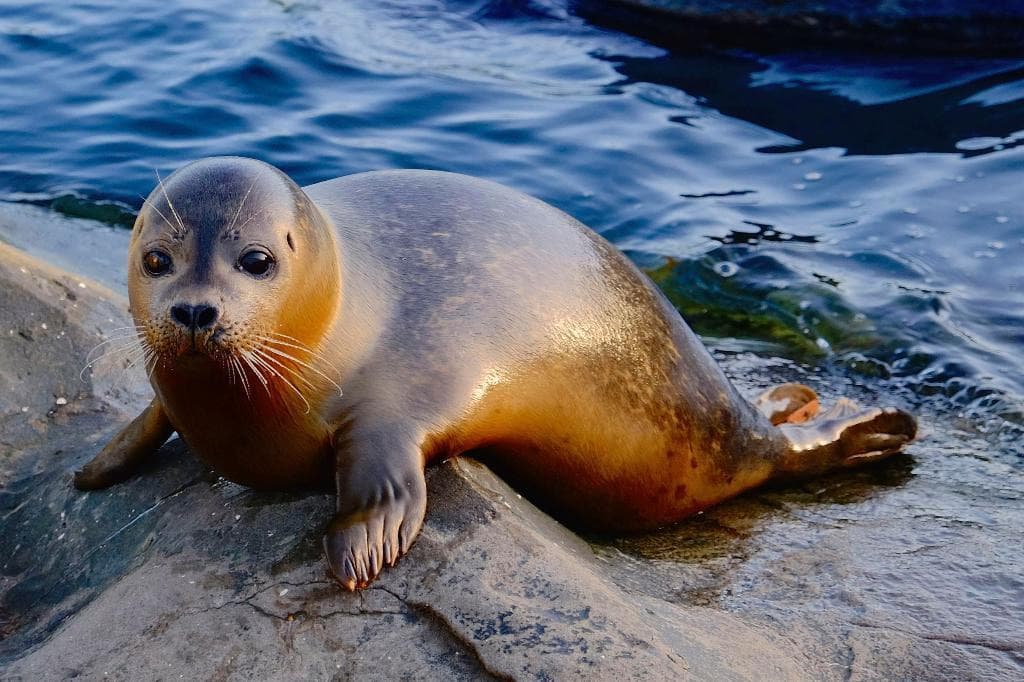
Watch for native species including Grey seals, Kittiwakes and common seabirds.
Keep an eye out for wildlife during the transition between areas and habitats. Respect distance guidelines.
SEA LIFE centres participate in rescue and rehabilitation programs and public education campaigns focused on marine pollution reduction and habitat recovery.
Follow the guide's instructions on size limits, ethical handling, and leave-no-trace practices.
North Bay rockpools—search the shoreline at low tide for crabs and blennies. Scarborough Harbour pizza vans and fishmongers for a quick local bite after your visit
Locally recommended viewpoints and quiet spots known best to local operators.
Scarborough was among England’s earliest seaside resorts, and the aquarium continues the town’s maritime storytelling by showcasing creatures native to its historic fishing grounds.
Maritime roots and regional tradition shape the waterways and working coasts.
Seasonal guide
Four versions of the same landscape.
Spring
Best forMilder crowds · Viewing newly active species · Tidepool walks at low tide
ChallengesChangeable weather · Shorter feeding schedules than peak season
Spring offers fresh energy: animal activity picks up and the town sheds winter quiet, though weather can be variable—pack layers.
Summer
Best forExtended opening hours · Family-friendly programming · Calmer seas for nearby beach walks
ChallengesPeak crowds · Higher accommodation prices
Summer brings the liveliest schedule and extra programming—arrive early or late to avoid school-holiday peaks.
Fall
Best forQuieter galleries · Storm-watching from the promenade · Good value accommodation
ChallengesWindier coastal conditions · Reduced staff-led events on some days
Autumn is reflective and less crowded; the aquarium’s indoor focus pairs well with bracing cliff walks.
Winter
Best forPeaceful visits · Watching winter seabird migrations · Off-season rates
ChallengesShorter daylight · Limited exterior activities
Winter visits are intimate and educational—ideal if you prefer space to linger at tanks and talks.
Pack with intention
What to bring.
Good to know
Common questions.
Plan 60–90 minutes for the aquarium; longer if you want to attend talks, explore rockpools nearby, or combine with a harbour walk.
Plan the edges
The details that make the day easier.
Scarborough is often called the first seaside resort in England, attracting visitors for sea bathing and promenades since the 17th century.
Pair your visit with traditional fish and chips on the esplanade, try locally-caught crab from harbour stalls, and explore Scarborough’s Georgian and Victorian arcades for seaside nostalgia.
- Visit length
- 1–2 hours; accessibility: mostly level and stroller-friendly; booking: timed tickets recommended in summer; parking: town car parks and on-street options nearby.
Support the centre’s conservation work by avoiding single-use plastics while visiting, learning about sustainable seafood, and participating in local beach-clean events when available.
Explore by topic
Follow the threads.
Keep exploring
Make the story part of the trip.
Set out from Bass Harbor for a private, customizable day on Blue Hill Bay — lighthouses, puffins, seals, and the chance to feel Acadia from the water. Small groups, local captains, unforgettable views.
In four hours you can move from shaded canyon ferns to wind-scoured coastal ridgelines, guided by someone who knows where the light—and the hidden views—live. This private half-day hike on the Monterey Peninsula or Big Sur is compact, curated, and perfect for travelers who want depth without a multiday commitment.
 Related story
Beneath a sky of shifting light, Skaftafell’s ice reads like a map of time. This three-hour guided glacier hike mixes technical instruction with geology and culture: compact, safe, and unforgettable.