
What the day feels like
The first thing that hits you is the color — a riot of aquamarine and cobalt that deepens into a quiet, glassy navy where the Caribbean opens into the reef lagoon. From the deck of a catamaran the water looks like living stained glass: olive patches of sea grass, pale crescents of sand, and the darker, textured ribs of coral gardens that make Cades Reef one of Antigua’s most celebrated underwater theaters. You feel the breeze lift the sweat from your neck and the boat’s bow lift and settle with a steady Caribbean rhythm; the reef waits and, in a way, beckons.
Cades Reef sits off Antigua’s western shore, a broad barrier of coral and rock that creates protected lagoons and breathes life into the island’s coastal ecology. It’s not a single, tidy formation but a chain of coral heads and shoals that together form a rare shallow playground for snorkelers, kayakers, and small-boat captains. Geologically, Antigua is a layered story: volcanic foundations cloaked in limestone, then smoothed by sea and reef-building corals that have, over millennia, built complex structures teeming with marine life. That tension between hard stone and living reef — rock and organism — is what gives Cades its texture, both underfoot and in the water.
The human history along these coasts runs just as deep. Indigenous peoples navigated these waters long before European contact; later, the island’s harbors and reefs shaped colonial trade and fishing routes. Today the reef ties together a small maritime economy: local skippers offering snorkeling charters, kayak operators guiding through mangrove lagoons, and small-scale fishers who still read the swell and the signs of a healthy lagoon to find their catch.
This is a place that suits multiple styles of adventure. Take the Jolly Cat Charters and you get a leisurely, small-group catamaran cruise from Jolly Harbour: easy snorkeling in protected reef pockets, expert guidance if you’ve never used a mask, and the island comforts of a light lunch and chilled drinks. The boat slows where the reef forms a calm lagoon and the crew hands over the masks — and suddenly the surface fractal opens to a different world: parrotfish gnawing at coral, wrasse darting between crevices, the slow, purposeful glide of a ray. For a more intimate approach, SoCoHo’s Eco Kayak and Snorkel Tour threads through mangrove tunnels to a secluded beach and then ferries you to the reef on a short boat ride. Kayaking here gives you a sense of the water’s architecture — how mangroves, sand flats and coral relate — and it’s a quieter way to arrive at that first breathless plunge.
If you prefer to be captain, Antigua Reef Riders’ self-drive inflatable boats put you in control: a two-seater craft that fits into the reef lagoon to let you moor near the coral heads, snorkel, and explore at your own pace. That autonomy is liberating, but it comes with responsibility — stick to the marked channels, avoid anchoring on coral, and follow the briefings. For classic white-sail romance, the Sail and Snorkel trips mix coastal views with a reef stop and a beach lunch, a good option if you want sun, sea, and a soundtrack of Caribbean rhythms.
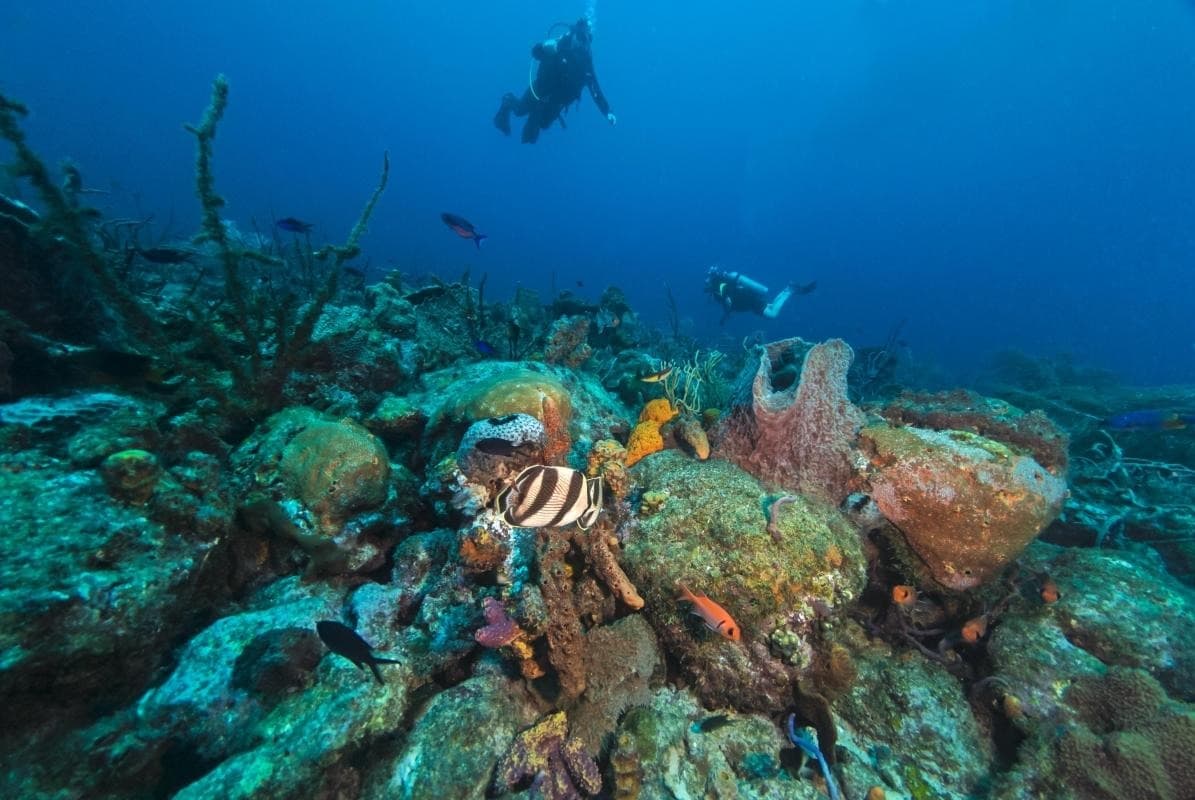
Practically speaking, Cades Reef is ideal for snorkelers with basic swimming competence. Visibility is usually excellent during the dry season, and reef topography keeps most of the snorkeling shallow — typically 3–15 feet — which suits families and newer snorkelers. Wildlife highlights include parrotfish, angelfish, surgeonfish, wrasse, occasional green turtles, and, if you’re lucky, nurse sharks or rays gliding the sandy patches. The coral is a mosaic of brain coral, staghorn fragments, and boulder formations; in places sea fans and soft corals add vertical color.
Prepare for the nuance: reef-friendly mineral sunscreen, a well-fitting mask, and reef-safe footwear if you plan to explore shallow flats. Tides and wind matter — mornings are often calmer and can mean glassier water and better visibility, while trade winds in the afternoon can kick up whitecaps on the outer reef. Guided trips typically provide gear, but if you’re renting a self-drive boat, ask that the lifejackets, radio, and GPS are in good order.
Conservation isn’t an afterthought here. Operators increasingly hand out mineral sunscreen and brief guests on reef etiquette: no touching or standing on coral, no feeding fish, and proper disposal of trash. The reef’s health mirrors global trends; warming seas and local stressors have led to bleaching in parts of the Caribbean, and stewardship by operators and visitors alike is crucial to keep Cades Reef vibrant.
If you go, plan logistics around your comfort level. Choose a guided small-group snorkeling charter for a relaxed introduction and to maximize sightings. Book the kayak-then-reef combo if you want to combine a paddle through mangroves with a snorkel in protected water. Others will opt for the autonomy of a self-drive inflatable to chase a quieter cove. Regardless of vessel, honor the reef: slow down in channels, don’t anchor on coral, and take only photos.
What stays with you after one of these trips is not only the flash of color beneath the waves but the sensory map — the squeak of sandals on deck, the salt-sweet breeze, a crew member’s laugh, the small shock of cold water on first entry. Cades Reef is a place that rewards both the curious and the careful: come ready to look deep, move slowly, and leave with a clearer understanding of why these coral architectures are worth protecting.
Trail wisdom
Small choices, better day.
Go early for calm water
Morning trips usually have the best visibility and lighter winds—plan to be on the water at first light for smoother snorkeling.
Use reef-safe sunscreen
Bring mineral-based sunscreen or use the sunscreen provided by eco-conscious operators to protect coral
Don’t anchor on coral
If you’re in a charter or self-drive boat, request mooring in sand channels or use mooring buoys to avoid damaging reef
Practice neutral buoyancy
Float horizontally and keep fins up to avoid accidental kicks that can break coral
Local knowledge
Read the place, not just the route.
Watch for native species including Green sea turtle, Southern stingray.
Keep an eye out for wildlife during the transition between areas and habitats. Respect distance guidelines.
Local operators emphasize reef-safe sunscreen and mooring practices; visitor education and small-scale stewardship programs help mitigate coral stress and promote sustainable tourism.
Follow the guide's instructions on size limits, ethical handling, and leave-no-trace practices.
A secluded sand spit in Cades Bay reachable by kayak for a picnic away from busy beaches. Early-morning mangrove paddle routes that feed into quieter snorkel pockets
Locally recommended viewpoints and quiet spots known best to local operators.
Cades Reef and adjacent bays were historically used by local fishers and small boat traffic; the reef shaped harbor locations and local marine practices.
Maritime roots and regional tradition shape the waterways and working coasts.
Seasonal guide
Four versions of the same landscape.
Spring
Best forcalmer seas · wildlife sightings · late-season migration birds
Challengesoccasional spring showers · increasing boat traffic during holidays
Spring offers warm water and good visibility with moderate crowds—ideal for snorkel-focused days.
Summer
Best forwarmest water · long daylight · affordable travel deals
Challengeshigher temperatures · chance of afternoon thunderstorms · hurricane season begins June 1
Summer is hot and humid; morning trips are best to avoid afternoon storms and choppy seas.
Fall
Best forfewer tourists · calm early mornings · good visibility
Challengesincreased storm risk in late season · shortened daylight
Early fall can be tranquil with fewer boats on the water, but watch tropical weather forecasts.
Winter
Best fordry weather · crystal-clear visibility · peak wildlife viewing
Challengeshigher tourist numbers · bookings fill quickly
Winter is peak season: excellent snorkeling and stable weather, so reserve trips in advance.
Pack with intention
What to bring.
Good to know
Common questions.
Most snorkeling takes place in shallow lagoon areas—generally 3 to 15 feet—making it accessible for confident swimmers and beginners.
Plan the edges
The details that make the day easier.
Cades Reef is recognized as Antigua’s largest barrier reef and is a key habitat for threatened marine species like green sea turtles—local operators often emphasize reef-friendly practices to protect it.
After a morning on the reef, sample local flavors ashore: fresh grilled fish, fried plantains, and a rum punch at a beachside shack. Many crews source light lunches from nearby communities, supporting local vendors and fishermen.
- Meeting point
- Jolly Harbour or designated West Coast docks. Typical duration: 3–5 hours. Book in advance in high season. Most tours include gear, a light lunch, and bottled water.
Choose operators that provide mineral sunscreen, use mooring buoys, and brief guests on no-touch reef etiquette to minimize your impact on coral ecosystems.
Explore by topic
Follow the threads.
Keep exploring
Make the story part of the trip.
Set out from Bass Harbor for a private, customizable day on Blue Hill Bay — lighthouses, puffins, seals, and the chance to feel Acadia from the water. Small groups, local captains, unforgettable views.
In four hours you can move from shaded canyon ferns to wind-scoured coastal ridgelines, guided by someone who knows where the light—and the hidden views—live. This private half-day hike on the Monterey Peninsula or Big Sur is compact, curated, and perfect for travelers who want depth without a multiday commitment.
 Related story
Beneath a sky of shifting light, Skaftafell’s ice reads like a map of time. This three-hour guided glacier hike mixes technical instruction with geology and culture: compact, safe, and unforgettable.