
What the day feels like
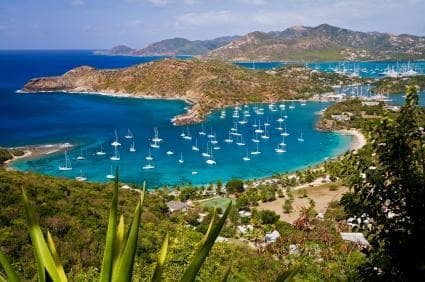
The first light in English Harbour breaks like a brass bell across the marina—sails catch it, hulls glow, and the narrow fingers of water that thread between calypso-colored housefronts seem to dare you to come closer. Walk the cobbled quay at Nelson’s Dockyard and the place reads like a ship’s log: rigging creaks in a wind that remembers the Age of Sail, and modern yachts drift in the same cradle once used to service British warships. This is Antigua in distilled form—maritime, convivial, and stubbornly scenic.
English Harbour is a place of small contrasts that feel built for wandering. One minute you’re tracing the neatly restored Georgian buildings of Nelson’s Dockyard—storied stone workshops and a museum that lays out naval strategy with tidy artifacts—and the next you’re wiping salt off your cheek after snorkeling on a shallow reef where a spearfisherman-turned-guide points out a turtle tucked into coral and the ribs of a century-old wreck just below. The natural and the human histories here rub shoulders: forts and gun emplacements sit on ridgelines above mangrove-fringed coves and beaches that invite you to paddle, snorkel, or simply lie flat and count the slow traffic of clouds.
History is tangible here. Nelson’s Dockyard was a key British naval station in the 18th century, a maintenance hub from which the Royal Navy projected power across the Caribbean. Today it’s a living museum—shops, restaurants, and charter bases occupy the old buildings—yet the bones of the place are unchanged. Climb or drive up to Shirley’s Heights and you’ll stand at a lookout that once served strategic purposes, now offering panoramic views of the harbour’s clustered inlets and the sweep of Antigua’s southern coastline. On Sunday evenings the lookout fills with locals and visitors for the sunset party—steel bands, barbecue smoke, and a view that makes the whole island seem designed for wide perspectives.
Geologically, English Harbour sits on Antigua’s limestone spine. The coves and beaches here were sculpted by reef growth and reef erosion over millennia, producing protected bays with clear, warm water (typically mid- to high-70s°F/low- to mid-20s°C) and reefs that host turtles, parrotfish, rays, and occasional nurse sharks. That calm, clear water is why guided snorkeling, kayak routes into mangrove lagoons, and paddle-board runs are the most natural ways to experience the harbour’s edges.
Culturally, the harbour is a working place as much as a showpiece. Fishermen still launch from quieter coves, rum bars hum with locals and visiting crews, and new craft breweries add a modern note to a handwritten past. Try the Loose Cannon at Galleon Beach or follow a tuk-tuk tour that ends at 2 Six 8 Craft Beer Brewery to taste Antigua’s contemporary take on convivial island drinking. If you want to go deeper than a tasting, book a rum-making masterclass on Galleon Beach and learn the old and modern techniques—plus leave with a small bottle you blended yourself.
Practical edges: if you slip into the water with a local snorkeling guide you increase your chances of encountering sea turtles and of exploring the two nearby wrecks that sit in shallow water. Guides also know where the current relaxes, where the reef is healthiest, and when to read the weather. Many operators include bottled water and basic snorkeling or paddling gear; full rental fleets are available for kayaks, inflatable SUPs, and sea scooters if you prefer to skirt the shoreline at your own pace.
How to plan it: Allow a half to full day to take the harbour in properly. Start at Nelson’s Dockyard with a short guided stroll to catch the maritime history, then stroll the marina, grab a coffee, and head for the water. A private snorkeling and sightseeing tour typically runs about four hours, with stops at Dockyard, Shirley’s Heights, and a snorkel spot over a wreck and reef; expect a small park entrance fee for Nelson’s Dockyard (roughly US$15 per small group—verify on arrival). If your party wants a more casual pace, a tuk-tuk excursion pairs short land stops with a beach visit and a brewery tasting so you can sample both views and local craft beer without driving yourself.
What to expect underfoot and afloat: beaches range from powder sand to coarser shell—bring water shoes if you plan to scramble over rocks. Snorkel sites off Galleon Beach and adjacent coves sit in relatively shallow water (often 5–20 feet), with visibility that can be excellent early in the day. Shirley’s Heights is a short paved climb or drive; expect roughly a 10–20 minute walk from the parking area to the foremost lookout with about 300 feet (≈90 m) of elevation gain if you arrive on foot.
Safety and practicalities: reef-safe sunscreen is essential; the marine parks are fragile and turtles here are protected. If you’re renting equipment, check masks and fins for fit—leaky equipment kills comfort quickly. Water is warm but bring a light wind layer for the evenings and higher ridges where trade winds make the temperature feel cooler.
English Harbour is a tidy, approachable chapter of Antigua. It’s built for people who like to pair stories with the sea, who want the compact thrill of history and the easy immediacy of salt water. Whether you go for a private snorkeling tour that hunts for turtles, a kayak loop through a quiet lagoon, an afternoon rum masterclass, or a sunset at Shirley’s Heights with steelpan in the air, the harbour serves up a compact, layered Caribbean experience that’s as suitable for families as it is for seasoned travelers looking to drop a pin on something beautiful and well-preserved.
If you go: plan for a morning in the water when visibility is best, carry reef-safe sun protection, book a local guide for snorkeling or kayaking, and leave time for the Dockyard—its restored architecture and maritime museum give context to everything you’ll see floating in the harbour waters.
Trail wisdom
Small choices, better day.
Go early for best snorkeling
Morning water is typically calmer and clearer; aim to snorkel before 10am when visibility and turtle activity are often best.
Bring reef-safe sunscreen
Marine parks here are sensitive—use only reef-safe sunscreen to protect corals and turtles.
Pack water shoes
Beaches range from powder sand to shell; water shoes make rocky entries and rocky tidepools comfortable.
Book a local guide for wrecks & turtles
Guides know the safest snorkel lines to wrecks and the best places to see turtles while minimizing disturbance.
Local knowledge
Read the place, not just the route.
Watch for native species including Green sea turtles, Parrotfish.
Keep an eye out for wildlife during the transition between areas and habitats. Respect distance guidelines.
English Harbour sits inside a national park; operators encourage reef-safe sunscreen and minimal contact with wildlife to protect coral and turtle habitats.
Follow the guide's instructions on size limits, ethical handling, and leave-no-trace practices.
Galleon Beach tidal pools for quiet snorkeling at low tide. Small cove near the Dockyard where local fishers launch—good for early-morning paddle trips
Locally recommended viewpoints and quiet spots known best to local operators.
Nelson’s Dockyard was an 18th-century British Royal Navy base and today operates as a restored dockyard and cultural site with museums and workshops.
Maritime roots and regional tradition shape the waterways and working coasts.
Seasonal guide
Four versions of the same landscape.
Spring
Best forSnorkeling clarity · Shirley’s Heights sunset parties · Sailing events
ChallengesOccasional short showers · Higher visitor numbers during regattas
Spring brings warm water and many of Antigua’s sailing events; visibility and wildlife activity are reliable, but plan ahead for busy weekends.
Summer
Best forQuiet beaches · Kayaking lagoons · Budget travel
ChallengesHotter days · Higher humidity · Short afternoon storms
Summer is quieter with hot, humid days—great for paddling early or late and finding empty coves, but pack for sun and sudden showers.
Fall
Best forWarm water snorkeling · Less crowded viewpoints · Lower rates
ChallengesHurricane season window · Possible rougher seas
Fall still offers warm water and quieter sites, though you should monitor tropical weather and travel insurance policies.
Winter
Best forPeak dry-season weather · Clear seas · Cultural events
ChallengesHigher prices · Crowded popular spots
Winter (the dry season) is prime time for clear snorkel days and festive evenings—expect more crowds and premium rates.
Pack with intention
What to bring.
Good to know
Common questions.
Yes—Nelson’s Dockyard is inside a national park and there is an entrance fee; some tours include the fee (products note roughly US$15 for two people—confirm with your operator).
Plan the edges
The details that make the day easier.
Nelson’s Dockyard in English Harbour was a major British naval base in the 18th century and today is a restored historic dockyard and cultural attraction within Antigua’s national park system.
Pair a harbour walk with a rum-making masterclass on Galleon Beach and a visit to 2 Six 8 Craft Beer Brewery—it’s the island’s short, flavorful cocktail of history and modern hospitality.
- Nearest airport
- V.C. Bird International (~35–45 min drive); national park fee applies (approx. US$15 for small groups); most vendors accept USD; morning is best for snorkeling.
Use reef-safe sunscreen, avoid touching coral or handling turtles, and choose local guides who support park conservation fees and responsible mooring to protect seagrass beds.
Explore by topic
Follow the threads.
Keep exploring
Make the story part of the trip.
Set out from Bass Harbor for a private, customizable day on Blue Hill Bay — lighthouses, puffins, seals, and the chance to feel Acadia from the water. Small groups, local captains, unforgettable views.
In four hours you can move from shaded canyon ferns to wind-scoured coastal ridgelines, guided by someone who knows where the light—and the hidden views—live. This private half-day hike on the Monterey Peninsula or Big Sur is compact, curated, and perfect for travelers who want depth without a multiday commitment.
 Related story
Beneath a sky of shifting light, Skaftafell’s ice reads like a map of time. This three-hour guided glacier hike mixes technical instruction with geology and culture: compact, safe, and unforgettable.