
What the day feels like
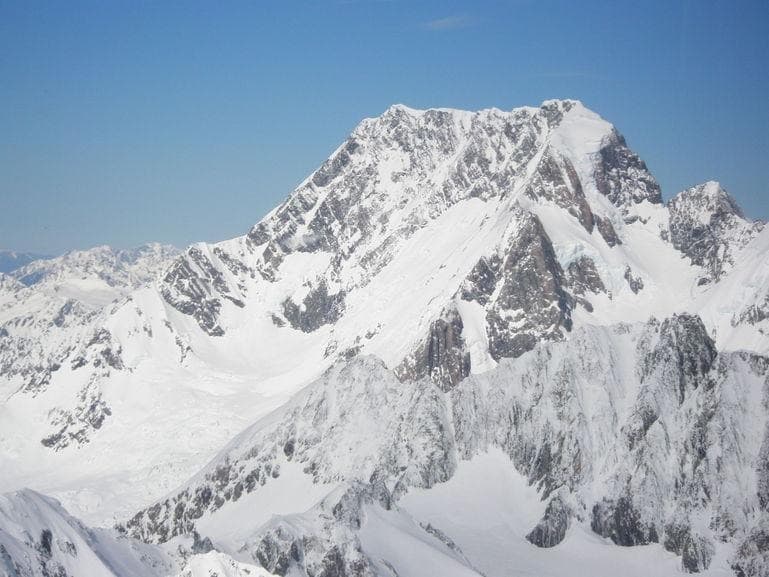
The first impression is not the height—it's the way the mountain fixes the air. On a pale summer morning the valley exhales, and Aoraki / Mount Cook appears through a ribbed veil of cloud, an uncompromising shoulder of ice and granite that makes ordinary maps look small. Walk the Hooker Valley Track, and the mountain grows in stages: first a silhouette between beech trees, then doubled in the river, and finally—when you stand on the moraine overlooking the blue-tinged icebergs of the Hooker Lake—you feel the scale as a physical thing, something that rearranges the bones in your feet and the pace of your breath.
Aoraki is both a place and a story. For Ngāi Tahu, Aoraki is an ancestor—Aoraki, the cloud piercer—whose presence gives this landscape language and law. Geologically it is a theater of uplift and frost: the Southern Alps are still rising on the Alpine Fault, then being carved by generations of glaciers into sharp ridges and flooded basins. That friction—tectonics versus ice—explains the dramatic drops, the blue-white glaciers and the sudden weather changes that define a visit.
There are many ways to meet the mountain. The Hooker Valley Track is the democratic introduction: a gentle, well-graded 10 km return walk with roughly 100 meters of elevation gain, timber bridges, and wide, clean views that culminate at Hooker Lake. For people who want scale without crampons, it’s ideal—three to four hours at a relaxed pace, family-friendly, but never dull: kea parrot calls and the distant rumble of collapsing seracs break the quiet.
If you want distance and exposure, the Mueller Hut Route and classic alpine faces are the province of climbers and guides. These routes require rope, crampons, crevasse skills and careful weather planning; the mountain does not bargain with hubris. For many visitors the fastest and most poetic way to understand Aoraki is from the air: flightseeing tours and helicopter landings let you pass over Tasman Glacier, look down an icefall and feel how small roads and lakes become craft-sized features. The region’s operators offer a range of options—from a high-circling scenic flight to private chopper trips that include snow landings on the upper ice.
Around the park, local life is quietly alpine. Mount Cook Village is modest: accommodation, a visitor center run by DOC (Department of Conservation), and guides who have learned to read weather like scripture. Nearby, Lake Pukaki spills a colour so absurd it looks edited; the Church of the Good Shepherd on its shore is a photographer’s cliché for a reason. In spring and summer, the drive from Christchurch includes a staged stop at NZ Alpine Lavender Farm—purple rows that frame the mountains—and in winter the whole drive turns austere and crystalline.
Practical considerations are not secondary here—they are part of the adventure. Weather is the chief variable: afternoon mountain winds, rapid cloud build and temperature swings mean you should plan early starts, allow cushion days for flights or climbs, and accept that itineraries can change. Book flightseeing and glacier excursions well ahead during peak season (December–February). If you’re aiming for an alpine route, hire a guide unless you have current glacier travel experience and the right kit; DOC enforces hut bookings, and mountain rescue is expensive and avoidable with the right preparation.
For a day trip from Christchurch, operators will time stops to get you the classic trio: Church of the Good Shepherd, Lake Pukaki and the Hooker Valley lookout—with some itineraries adding the lavender farm in summer. Multi-day tours expand options: overnight in Mount Cook Village or link the route from Queenstown to Milford Sound. If you’re short on time but want a big-picture hit, a flightseeing tour that includes a Tasman Glacier snow landing is the play—brief, unforgettable and weather-dependent.
Respect is practical too. Kea are curious and clever; they will open zippers, peck paint and test your packed lunch if you let them. Don’t feed wildlife. Stay on marked tracks to protect fragile alpine plants, and carry your rubbish out—the thin soils and slow-growing flora make recovery measured in decades, not months.
In the end, a visit to Aoraki / Mount Cook is not a single activity but a choice of rhythms: walk slowly on a moraine, feel the wind on a ridge, watch ice calve into a turquoise lake, or watch the mountain slip into cloud as evening comes. Each approach teaches the same lesson: scale is relative, weather is sovereign, and the mountain is best approached with humility and good socks.
If you go: start early, bring layers and a plan B for flights, respect the mountain etiquette, and leave room for the stupid, small delight of standing on a bridge and watching an iceberg tilt and slowly right itself. It’s a simple choreographed moment that holds as true a memory as any summit.
Trail wisdom
Small choices, better day.
Start at dawn
Morning weather is usually calmer and light is best for photography—aim to be on the Hooker Valley Track by sunrise during summer.
Book flightseeing in advance
Flights are highly weather-dependent and sell out in peak season—reserve a half-day with a flexible afternoon backup.
Respect kea and wildlife
Keep gear zipped and food stowed—kea can dismantle packs and cars if given the chance.
Hire a guide for alpine routes
Routes above the huts cross glaciers and require rope, crampon and crevasse-rescue skills—don’t attempt without experience or a guide.
Local knowledge
Read the place, not just the route.
Watch for native species including Kea (alpine parrot), Rock wren (alpine insectivore).
Keep an eye out for wildlife during the transition between areas and habitats. Respect distance guidelines.
Aoraki / Mount Cook National Park is managed to protect fragile alpine ecosystems—stick to marked tracks, support certified operators, and carry out all waste.
Follow the guide's instructions on size limits, ethical handling, and leave-no-trace practices.
Kea Point Track (short, dramatic views of Mueller Glacier and Mount Cook). Tasman Glacier viewpoint and terminal moraine—often less crowded at sunrise
Locally recommended viewpoints and quiet spots known best to local operators.
Aoraki is central in Ngāi Tahu legend and became officially dual-named Aoraki / Mount Cook following treaty settlements; the park is part of the Te Wāhipounamu World Heritage area.
Maritime roots and regional tradition shape the waterways and working coasts.
Seasonal guide
Four versions of the same landscape.
Spring
Best forWildflowers and fewer crowds · Early-season alpine approaches
ChallengesUnstable snow on higher routes · Variable temperatures
Spring (Sep–Nov) offers melting snow, wildflowers and good light, but alpine conditions still demand crampons on many routes.
Summer
Best forHooker Valley hikes · Flightseeing and glacier boat tours
ChallengesPeak visitor numbers · Sudden afternoon winds
Summer (Dec–Feb) is the most stable window for hiking and flights; book tours well ahead and start early to avoid wind and crowds.
Fall
Best forCrisp clarity for photography · Fewer tourists and good hiking
ChallengesRapid temperature drops · Increasing snowfall at elevation
Autumn (Mar–May) brings clear air and dramatic color; expect chilly mornings and rapidly changing conditions at altitude.
Winter
Best forSnow-scapes and alpine skiing in nearby areas · Snow landings by helicopter
ChallengesSevere weather and road conditions · Many tracks and services reduced
Winter (Jun–Aug) is spectacularly stark but can close routes and limit access—only experienced climbers or guided parties should attempt high routes.
Pack with intention
What to bring.
Good to know
Common questions.
The Hooker Valley Track is about 10 km return with roughly 100 m elevation gain; allow 3–4 hours at a relaxed pace.
Plan the edges
The details that make the day easier.
Aoraki / Mount Cook is New Zealand’s highest peak at 3,724 meters (12,218 ft) and the surrounding national park is part of the Te Wāhipounamu UNESCO World Heritage Site.
Ngāi Tahu cultural stories and southern high-country food define the region—try local salmon from nearby Twizel, and visit the NZ Alpine Lavender Farm for seasonal lavender ice cream and artisan goods.
Support certified local operators, stay on marked trails to protect alpine flora, never feed wildlife (especially kea), and carry out all waste—alpine ecosystems regenerate slowly.
Explore by topic
Follow the threads.
Keep exploring
Make the story part of the trip.
Set out from Bass Harbor for a private, customizable day on Blue Hill Bay — lighthouses, puffins, seals, and the chance to feel Acadia from the water. Small groups, local captains, unforgettable views.
In four hours you can move from shaded canyon ferns to wind-scoured coastal ridgelines, guided by someone who knows where the light—and the hidden views—live. This private half-day hike on the Monterey Peninsula or Big Sur is compact, curated, and perfect for travelers who want depth without a multiday commitment.
 Related story
Beneath a sky of shifting light, Skaftafell’s ice reads like a map of time. This three-hour guided glacier hike mixes technical instruction with geology and culture: compact, safe, and unforgettable.