
What the day feels like
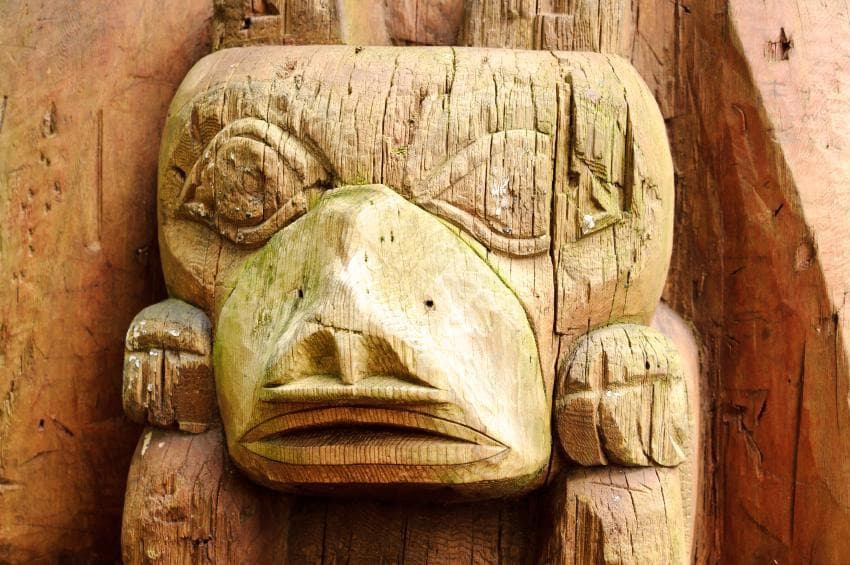
You step off the salty boardwalk and the rainforest takes you in the chest — a green press of Sitka spruce, hemlock and yellow cedar that smells like old growth and rain. Sunlight, when it arrives, seeps through a cathedral of needles and drips onto a trail threaded with roots and spruce cones. Then the first pole appears: hooded figures, looping crests, eyes that hold you steady. The totems stand like sentinels along a narrow loop that meets the sea — carved narratives that map family histories and disputes, clan crests and the long, painful counterpoint of colonial history. This is Sitka National Historical Park, where landscape and lore are braided together and where a short walk hands you the keys to Southeast Alaska’s human story.
The park reads like a compact primer on the region. It commemorates the 1804 Battle of Sitka, when Tlingit defenders fought Russian fur traders and settlers. Today, the totems here are both original works and replacements: many were collected from abandoned villages in the 19th century and later restored or replicated by carvers from Tlingit and Haida communities. Walking the Totem Trail — a roughly 1–mile (1.6 km) round-trip loop with minimal elevation gain — you move between carved cedar pillars and interpretive panels that lay out clan relationships, potlatch traditions, and the uneasy history of Russian colonization. The park’s visitor center offers artifacts, a short interpretive film, and staff who can point you toward less visited corners, but it’s the trail itself that does the talking.
Geologically, Sitka sits on the leading edge of the Pacific Rim: carved by advancing and retreating ice, the shoreline is a mosaic of fjords, rocky coves and pebble beaches. The park’s beach meets salt water where you might hear the ocean daring you — gulls and cormorants stitching the air, waves shoving small logs up onto the cobbles. Inland, the rainforest’s open structure — the result of shallow soils over glacial till — means you often have clear sightlines through giant trunks that, in other forests, would feel claustrophobic.
Culture is the heart of Sitka. The Tlingit people have lived in this place for millennia; their clan crests and oral histories are carved visibly into cedar. A short hop from the park are institutions that deepen context: the Sheldon Jackson Museum’s ethnographic collections, the Russian-era St. Michael’s Cathedral, and the Alaska Raptor Center and Fortress of the Bears — two rescue centers that speak to the region’s complicated modern relationship with wildlife. Local guides make this material approachable. Small-group tours that combine the totem park with wildlife stops are an efficient way to sample Sitka’s highlights if you’re visiting by ship, while longer trips — a multi-day kayak expedition into the fjords — let the coastline teach patience.
Why go now: the park is compact but rich. For casual travelers it’s an accessible introduction to Alaska’s coastal rainforest and Indigenous culture; for photographers and naturalists, the interplay of carved wood, moss, and surf creates an endlessly rewarding subject. And because the Totem Trail is short, it pairs perfectly with nearby experiences: cross the O’Connell Bridge to visit the Fortress of the Bears, or spend a morning at the Alaska Raptor Center where rehabilitated eagles and owls are cared for and interpreted.
Practical edge: the loop is mostly boardwalk and packed soil, making it family-friendly and doable in wet conditions if you have the right footwear. Expect muddy sections in spring and after rain, and bring layers — the coast can shift from wind-blown sun to mist in minutes. If you’re aiming for wildlife, dawn and dusk are the most active times for birds along the shoreline; sea otters and harbor seals often lounge near shore and bald eagles patrol the treetops. Respect carved poles and interpretive signs; some figures are historic and fragile.
How to build the day: start with the park’s short loop (30–60 minutes at a steady pace, longer if you linger at the poles), then hop on a small-group land tour that includes the Fortress of the Bears and the Alaska Raptor Center. Allocate half a day if you want an unhurried visit with time for the Sheldon Jackson Museum and a waterfront lunch of smoked salmon or halibut tacos. If you have 3–5 days, consider a guided kayak expedition out of Sitka that threads sheltered channels and offers prime chances to see whales, brown bears from a safe distance, and sea otters in kelp beds.
Safety and stewardship: keep a respectful distance from wildlife, never attempt to feed or approach animals, and follow your guide’s instructions on any multi-day trips. The park is also a cultural site — touch respectfully, and refrain from climbing on carved poles.
For travelers who want the most out of a brief Alaskan stop, Sitka National Historical Park is an ideal introduction: a place where history and natural drama are accessible without forsaking depth. The carvings give a human scale to the landscape, while the surrounding coast invites you to keep going — into town for local crab cakes and Russian-influenced pastries, or out on the water where pods of orcas can turn a quiet paddle into a moment you’ll carry home.
Sitka isn’t a billboard. It’s subtle and stubborn, offering rewards for those who slow down: a totem’s carved smile, the scent of cedar bark, a gull’s wing cutting a fjord’s light. Come with good boots, curiosity, and time to listen — the park will tell you its stories in cedar and surf.
Trail wisdom
Small choices, better day.
Wear waterproof footwear
The Totem Trail is largely boardwalk and packed soil, but rain and surf spray make sections muddy and slippery—waterproof boots with good tread will keep you comfortable.
Start early for wildlife
Bald eagles, harbor seals and shorebirds are most active at dawn and dusk; an early walk increases your chances without the cruise crowds.
Combine stops for a full day
Pair the park with the Fortress of the Bears and Alaska Raptor Center to get cultural context and wildlife viewing without long transfers.
Respect the totems
Do not climb or touch historic carved poles; use steps back for photos and read interpretive panels to understand their significance.
Local knowledge
Read the place, not just the route.
Watch for native species including Bald eagle, Harbor seal.
Keep an eye out for wildlife during the transition between areas and habitats. Respect distance guidelines.
Local organizations and the park emphasize cultural stewardship; respect for totems and support for Tlingit-led programs help protect both heritage and habitat.
Follow the guide's instructions on size limits, ethical handling, and leave-no-trace practices.
Quiet viewpoint at the far end of the beach where tide pools reveal starfish and anemones. Lincoln Street historic walk, ending at local shops selling smoked salmon and cedar crafts
Locally recommended viewpoints and quiet spots known best to local operators.
Sitka was the site of the 1804 Battle of Sitka between Tlingit people and Russian traders; the park preserves both the totem poles and the memory of that encounter.
Maritime roots and regional tradition shape the waterways and working coasts.
Seasonal guide
Four versions of the same landscape.
Spring
Best forWildflower drifts · Migratory birds · Quieter trails
ChallengesMud and lingering cold · Unreliable daylight · Biting insects on warm days
Spring brings migrating seabirds and fresh greens, but expect muddy trails and chilly, changeable weather; bring waterproofs and insect repellent.
Summer
Best forCalmest weather · Kayaking and boat trips · Long daylight for exploration
ChallengesCrowds from cruise ships · Limited lodging availability · Higher prices for tours
Early summer offers the best weather and long days—ideal for combining the park with kayaking or wildlife tours, though cruise crowds peak midday.
Fall
Best forAutumn light for photos · Salmon runs nearby · Fewer visitors
ChallengesShortening daylight · Wind and rain events · Colder water temperatures
Fall’s crisp air and salmon runs add drama; expect cooler, wetter weather and shorter daylight windows for excursions.
Winter
Best forStorm-watching · Northern light potential · Solitude
ChallengesLimited services and tours · Cold, wet conditions · Short daylight hours
Winter is quiet and raw—fewer tours run, but clear days offer unique light; dress warmly and plan logistics carefully.
Pack with intention
What to bring.
Good to know
Common questions.
The park’s main Totem Trail is roughly 1 mile (1.6 km) round-trip and is largely boardwalk and packed soil, typically taking 30–60 minutes depending on stops.
Plan the edges
The details that make the day easier.
Sitka National Historical Park commemorates the 1804 Battle of Sitka and contains totem poles collected and preserved there in the late 19th and early 20th centuries, making it Alaska’s first federally protected historical park.
Sitka’s culinary scene pairs Russian influences with ocean-first Alaska fare: smoked salmon, halibut, and local shellfish share menus with sourdough and Russian-style pastries. Seek out Tlingit-made crafts and guided cultural programs led by local artists.
- Know-before-you-go
- short 30–60 minute Totem Trail loop; minimal elevation; combine with Fortress of the Bears and Alaska Raptor Center for a half-day; dress for wet weather; guided tours sync with cruise schedules.
Stay on designated trails, don’t touch or climb totem poles, and support Tlingit-led experiences and local conservation organizations to ensure cultural and ecological resilience.
Explore by topic
Follow the threads.
Keep exploring
Make the story part of the trip.
Set out from Bass Harbor for a private, customizable day on Blue Hill Bay — lighthouses, puffins, seals, and the chance to feel Acadia from the water. Small groups, local captains, unforgettable views.
In four hours you can move from shaded canyon ferns to wind-scoured coastal ridgelines, guided by someone who knows where the light—and the hidden views—live. This private half-day hike on the Monterey Peninsula or Big Sur is compact, curated, and perfect for travelers who want depth without a multiday commitment.
 Related story
Beneath a sky of shifting light, Skaftafell’s ice reads like a map of time. This three-hour guided glacier hike mixes technical instruction with geology and culture: compact, safe, and unforgettable.