
What the day feels like
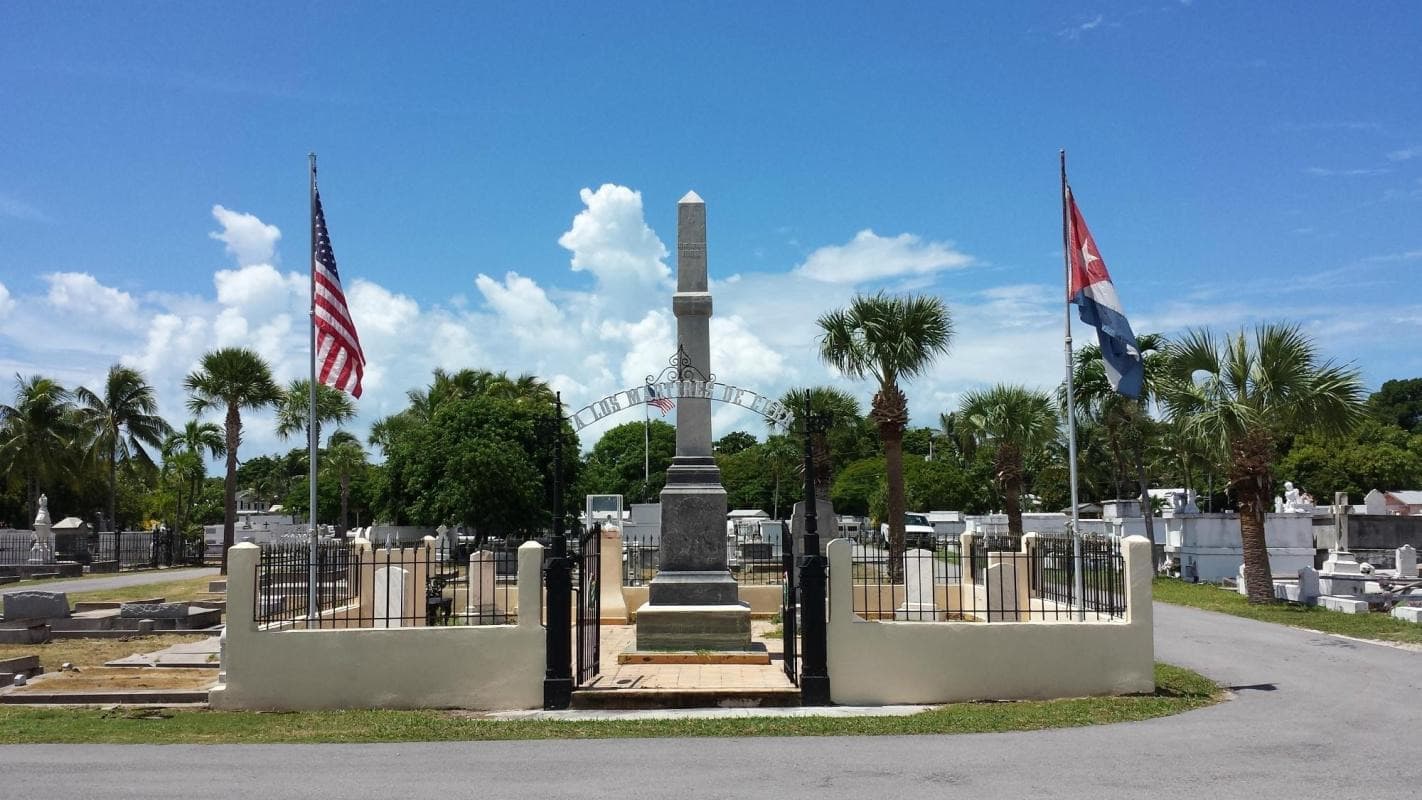
You step through an iron gate and the city’s chatter—rumbling scooters, a busker tuning a guitar—falls away. The air smells of salt and jasmine; a breeze off the Gulf nudges the palms. Ahead, narrow lanes stitch rows of pale, sun-bleached marble and coral rock vaults that look at once fragile and stubborn. This is Key West Cemetery: a compact, eccentric city of the dead where the living come to read funny epitaphs, retrace shipwrecks, and feel the island’s layered past brush against their skin.
Long before Key West became a postcard playground, it was a working seaport where wreckers, cigar-makers, Bahamian mariners and later Cuban exiles shaped daily life. The cemetery, formally established in 1847, was a practical response to geology: a high water table and porous coral rock make traditional in-ground graves impractical, so wood and masonry vaults rise above the ground like tiny island houses. With narrow alleys and shingles softened by lichen, the grave markers read like a local newspaper—names, occupations, ages, and sometimes a joke. There are tombs for infants and sailors, memorials to shipwreck victims and a scattering of ornate family vaults that whisper of old money and older losses.
Walking here is like skimming the island’s biography. Granite and tile tell of immigration from the Caribbean and Cuba; the script on stones shifts from English to Spanish and back. You’ll find simple iron crosses placed by fishermen, and ornate tablets warning future visitors to be gentle with the graves. The place has a personality: cheeky epitaphs that wink at the passerby, solemn family plots that insist on quiet, and a tendency for the living to linger—reading names, tracing dates, and imagining the stories in between.
That personality is part of why the cemetery also draws curiosity after dark. Pedicab ghost tours thread their way past moonlit vaults, with guides spinning island lore—tales of restless spirits, Santeria practices, and unexplained encounters. For families or daytime explorers, mobile scavenger-hunt experiences turn the cemetery and surrounding Old Town into a puzzle board, combining history with a little competitive fun. If you want deeper context, a small-group private tour will unpack the cemetery’s architecture and link graves to the broader history of shipwrecking, salvage, and Key West’s rise as a maritime hub.
Why go? The cemetery is a concentrated, walkable lens on Key West’s human geography. In under an hour you’ll sample cultural textures that otherwise stretch across the island: maritime lore, immigrant stories, and the pragmatic resilience that comes from living where the ocean is never very far away. It’s a place that invites reflection but also rewards curiosity—read the odd epitaph aloud, photograph the carved angels, and let the island’s light change the color of the stone beneath your feet.
Practical edge: the cemetery is small but uneven. Paths are shaded but short stretches are exposed to sun; hats and water make the visit more comfortable. A self-guided walk can take 20–45 minutes depending on how many markers you read; guided tours or combined walking experiences that include nearby historic districts can take 2–3 hours. Night tours—ghostly pedicab rides or narrated after-dark pedicab loops—offer a different mood entirely: quieter streets, cooler air, and stories that feel more immediate beneath the moon.
Respect matters here. Many of these graves are recent, and families still visit. Keep to the paths, don’t climb on vaults or touch fragile stonework, and be mindful of guided tours that pass through. If you’re a photographer, look for texture and detail—close-ups of epitaphs, the pattern of coral rock, and the way tropical light throws long shadows across memorials.
Combine the cemetery with other Old Town experiences to make the most of your time. A morning scavenger hunt will orient you to the streets and their quirks; afternoons are prime for quiet reading and photography; after dark, a pedicab ghost or cultural tour ties the cemetery into a broader narrative of Key West’s folklore and religious mix. Pedicabs are practical—low-impact, breezy, and perfect for navigating the narrow lanes—while a private small-group tour gives historical depth if that’s your aim.
The cemetery is not a theme park tableau. It’s a civic landscape that reveals a city’s past through the lives it memorializes. Whether you’re drawn to the island’s oddball humor, the maritime tragedies, or the hush of a moonlit lane, Key West Cemetery offers an intimate, grounded way to meet Key West’s history—quietly, respectfully, and with the occasional grin at a tombstone that refuses to take itself too seriously.
Trail wisdom
Small choices, better day.
Wear sun protection
Paths are short but exposed—bring a hat and sunscreen even for a quick visit.
Hydrate for the subtropics
Carry water; Florida heat and humidity can make even a 30–45 minute walk taxing.
Respect the space
Stay on paths, don’t climb on graves or touch fragile headstones—this is an active cemetery.
Combine with a guided tour
Take a pedicab ghost or cultural tour to add historical context and access to stories you won’t find on the stones alone.
Local knowledge
Read the place, not just the route.
Watch for native species including Green iguanas, Great egrets and other wading birds.
Keep an eye out for wildlife during the transition between areas and habitats. Respect distance guidelines.
The cemetery is maintained by local authorities and volunteers; visitors should stay on paths, avoid touching fragile markers, and support local preservation efforts.
Follow the guide's instructions on size limits, ethical handling, and leave-no-trace practices.
Small mosaic plaques tucked into older family vaults that reward a slow walk. A shaded north alley where tropical light and lichen make for great detail photography
Locally recommended viewpoints and quiet spots known best to local operators.
Established in 1847, the cemetery’s above-ground vaults reflect Key West’s high water table and coral-rock geology.
Maritime roots and regional tradition shape the waterways and working coasts.
Seasonal guide
Four versions of the same landscape.
Spring
Best formild temperatures · wildflowers among the graves · daytime walking tours
Challengesoccasional rain showers · spring-break crowds
Spring brings pleasant weather and good light for photography, but expect more visitors during peak holiday weeks.
Summer
Best forfewer tourists · early-morning photography · short scavenger hunts
Challengeshigh heat and humidity · afternoon storms · full sun exposure
Summer is hot and humid—visit in the early morning or late afternoon and prepare for quick rain cells.
Fall
Best forcomfortable evenings · ghost and night tours · lower humidity
Challengeshurricane season extends into fall · sporadic closures or weather disruptions
Fall evenings are excellent for storytelling tours, though keep an eye on tropical weather forecasts.
Winter
Best forcoolest temperatures · dry days · busy tourist season
Challengeshigher hotel rates · crowds on popular routes
Winter is the driest, most comfortable season for walking tours but expect more visitors and higher prices.
Pack with intention
What to bring.
Good to know
Common questions.
Yes—it's accessible to visitors year-round; however, be respectful as it is an active cemetery and follow posted rules.
Plan the edges
The details that make the day easier.
Key West Cemetery was established in 1847 and features many above-ground vaults because the island’s high water table makes in-ground burials impractical.
Key West’s Old Town blends Bahamian, Cuban and American influences—expect tropical seafood like conch fritters, strong Cuban coffee, and porch-side storytelling from local guides.
- Time
- 30–90 minutes; Access: public, walkable; Best visits: early morning or late afternoon; Tours: scavenger hunts, pedicab ghost tours, private guided walks.
Choose human-powered tours (pedicabs, walking) when possible, stay on paths, take litter with you, and support local conservation groups that help maintain historic graves.
Explore by topic
Follow the threads.
Keep exploring
Make the story part of the trip.
Set out from Bass Harbor for a private, customizable day on Blue Hill Bay — lighthouses, puffins, seals, and the chance to feel Acadia from the water. Small groups, local captains, unforgettable views.
In four hours you can move from shaded canyon ferns to wind-scoured coastal ridgelines, guided by someone who knows where the light—and the hidden views—live. This private half-day hike on the Monterey Peninsula or Big Sur is compact, curated, and perfect for travelers who want depth without a multiday commitment.
 Related story
Beneath a sky of shifting light, Skaftafell’s ice reads like a map of time. This three-hour guided glacier hike mixes technical instruction with geology and culture: compact, safe, and unforgettable.