
What the day feels like
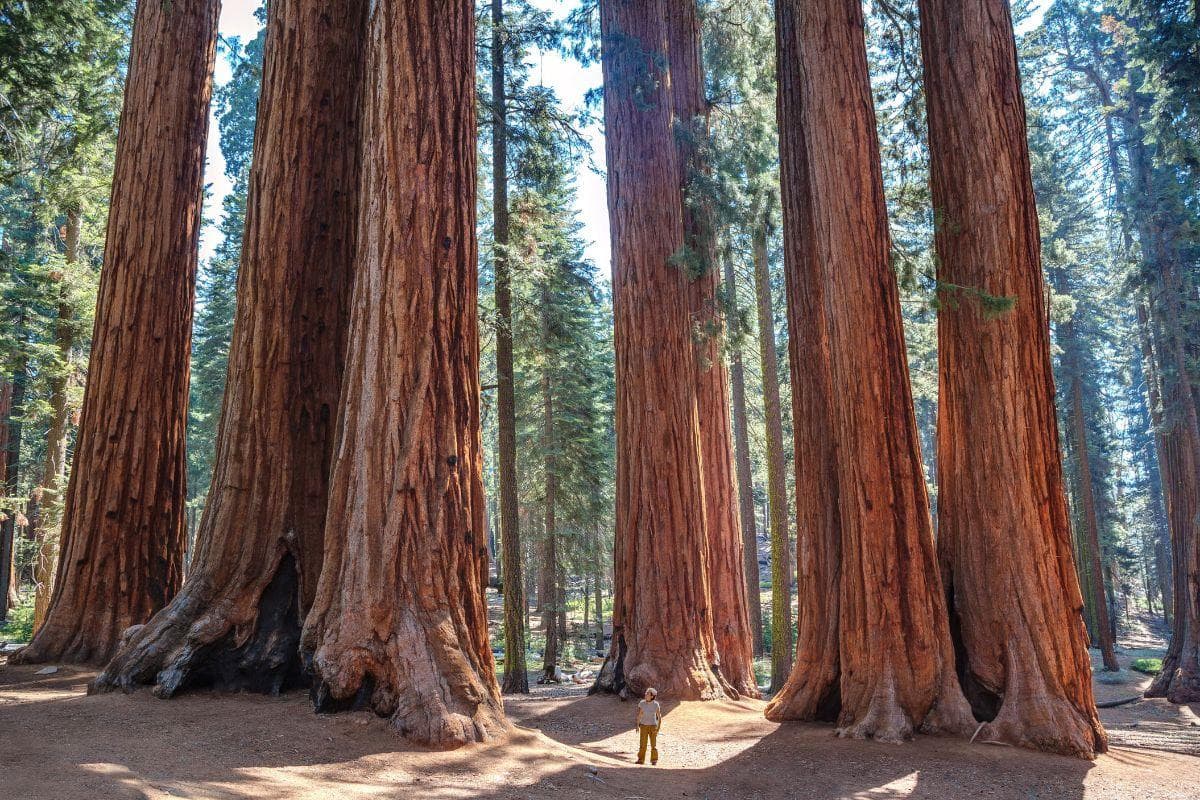
Morning in Sequoia starts with a hush: sunlight pries between trunks so broad they feel like redwood columns in a cathedral built out of living wood. You step into that silence and the forest answers in small movements—the soft scrape of a chipmunk, a pinecone shrugging loose, distant wind sketching the crownline high above. The scale here is the first story: trees that dwarf fences and cars, boulders scarred by glaciers, meadows sliding into dark timber. But the second story is practical: how to move through this place, what to expect of the trails, and how to leave it as whole as you found it.
Sequoia National Park sits on the western slope of the Sierra Nevada, a granite backbone uplifted by tectonic patience and glaciation that carved the amphitheaters and cirques you see from Moro Rock. The park's signature residents—the Giant Sequoias—are a product of fire, elevation, and deep time. Cones that seem inert will open only after the heat of low-intensity fires; their seedlings thrive in mineral-rich, cleared soils. These trees are not just big—they're ancient and engineered for survival, with fibrous, tannic bark that resists rot and a chemistry that resists some insects. The park is also an ecological patchwork: montane meadows hold wet spring wildflowers, black oak and pines shade the foothill trails, and subalpine ridgelines catch winter snow.
The visitor experience swings from short, humbling walks to full-day backcountry treks, and the park's three top-line offerings illustrate that range. A private full-day tour is the quickest way to orient yourself—guides weave history, geology, and ecology into the itinerary while you see the General Sherman Tree, the Giant Forest, and sweeping overlooks. For a concentrated hit of awe, the Moro Rock climb delivers panoramic views of the Great Western Divide from a 350-step granite spine; the ascent is short—under a mile round-trip—but steep and exposed. In winter, the park changes its voice. A guided snowshoe to Bear Hill is a 2.5-mile round-trip that turns the Ordinary Giant Sequoias into sculptures coated in sugar-glass snow; tempo slows, tracks become narratives, and a steaming cup of cocoa at the top is both ritual and reward.
Culture in and around the park is quieter than the landscape but just as textured. Indigenous communities—past and present—have ties to this land; traditional burning practices were part of the ecology long before the National Park Service formalized protections. The foothill town of Three Rivers acts as a gateway with local outfitters and bakeries that cater to early starts and muddy boots. Guides who live nearby bring that local knowledge: where to time morning light, which meadows hold deer at dusk, and how road conditions change with late-season storms.
Practical guidance matters here. If you want the Cathedral of trees without the crowds, aim for early morning or late afternoon, and plan an itinerary that mixes short, accessible walks (General Sherman loop, Giant Forest Museum) with single, standout climbs (Moro Rock). Winter requires adaptation: pack gaiters, microspikes or snowshoes, and warm layers; many operators will swap snowshoes for ice cleats if conditions are thin. For longer exploratory days, a private guide can expand your options—wildlife-spotting in meadows, longer ridge hikes, or simply taking the best sunset vantage without the navigation stress.
Logistics are straightforward but specific. The nearest small town is Three Rivers; Visalia is a larger hub with hotels and restaurants roughly 45–60 minutes away depending on your entry point. The main route into the Giant Forest and Moro Rock is via Highway 198 and the Generals Highway; roads can be narrow, and winter chains or tire changes are not uncommon after big storms. Park entrance fees apply and vary by vehicle or pass type. Cell reception is spotty in deep forest and high country—download maps and emergency contacts, and tell someone your plan.
Health and safety are simple trade-offs: stay hydrated, the Sierra takes a toll even on moderate days; wear footwear with good traction for rocky switchbacks and icy patches; and carry more water than you think you’ll need. For photographers, the light at dawn turns bark into copper and exposes the textures in the bark furrows; soft afternoon light from the west makes for dramatic profiles through trunks.
Why book a guided experience? For many travelers, the park's scale can be disorienting. A local guide compresses decades of familiarity into a day—shortening drive-time to key sights and translating natural history into memorable moments: where to find a lunch spot out of the wind, which viewpoints frame a sunset properly, or how to read a meadow for wildlife signs. Whether you choose a private full-day tour for a curated mix of the Sherman Tree, Moro Rock, and quieter overlooks, or a winter snowshoe to Bear Hill to see giants asleep under snow, Sequoia rewards the careful traveler: those who come prepared, move respectfully, and leave room for the forest to unsettle their sense of scale.
Leave your ego at the trailhead. The trees here are both literal and moral giants: older than most cities, tested by centuries of drought and fire, and a living argument for conservation. If you go, do it quietly and practically—pack layers, protect your water, schedule early starts, and consider a guided route to maximize what you see and learn. Then stand beneath a trunk the size of small houses and let the forest do the rest.
Practical highlights drawn from local experiences: - Bear Hill snowshoe: 2.5-mile round-trip, moderate, plan for snow or ice cleats in marginal conditions. - Moro Rock: short but exposed climb; allow 30–60 minutes round-trip and bring wind protection. - General Sherman Tree: accessible paved loop, ideal for family visits and photographic study of bark and scale.
Sequoia is a place that insists on humility, and rewards preparation. Get the timing right, respect the winter rhythms, and the park will show you what size looks like.
Trail wisdom
Small choices, better day.
Start at first light
Mornings reduce crowds and deliver the best light on trunks and ridges—plan to be at key viewpoints at sunrise.
Pack traction year-round
Trails can be icy in winter and slick after summer storms; microspikes or sturdy boots make a big difference.
Hydrate more than you assume
High-elevation walking and granite heat accelerate dehydration—carry at least 2 liters for a half-day excursion.
Respect seasonal closures
Roads and trailheads close with snow; check NPS conditions and have flexible timing for spring melt or storms.
Local knowledge
Read the place, not just the route.
Watch for native species including Mule deer, Black bears (observe from a distance and secure food).
Keep an eye out for wildlife during the transition between areas and habitats. Respect distance guidelines.
Fire is an essential ecological process for sequoia regeneration; current park management uses prescribed burns and restoration efforts to mimic historic fire cycles while protecting visitor areas.
Follow the guide's instructions on size limits, ethical handling, and leave-no-trace practices.
Crescent Meadow for quieter Giant Sequoia groves and a peaceful loop. Moro Rock early-morning climb to avoid crowds and catch layered light on the Great Western Divide
Locally recommended viewpoints and quiet spots known best to local operators.
Sequoia's protected groves became federal preserves in the 19th century; the General Sherman Tree is celebrated as the largest tree by volume in the world.
Maritime roots and regional tradition shape the waterways and working coasts.
Seasonal guide
Four versions of the same landscape.
Spring
Best forWildflower meadows · Milder temperatures
ChallengesResidual snow on high trails · Variable road access
Spring brings green meadows and thawing creeks—expect a mix of snow at higher elevations and muddy trails in the valley.
Summer
Best forFull access to trails and roads · Warm, long days
ChallengesCrowds at popular sites · Hot lower elevations
Summer offers the fullest access to sights like General Sherman and Moro Rock but plan early starts to avoid the peak mid-day crowd.
Fall
Best forClear air and fewer visitors · Great light for photography
ChallengesCooler nights · Potential early snow at elevation
Fall is optimal for clearer skies and smaller crowds; layers are essential as temperatures swing between day and night.
Winter
Best forSnowshoeing among frosted giants · Stark, quiet landscapes
ChallengesChain controls and limited road access · Cold and deep snow at higher elevations
Winter converts the park into a quiet snow realm—guided snowshoe trips to Bear Hill are ideal when trails are safely covered.
Pack with intention
What to bring.
Good to know
Common questions.
Yes—standard park entrance fees apply (vehicle or annual passes accepted). For overnight backcountry trips, a wilderness permit is required; day visits do not require special permits beyond entrance.
Plan the edges
The details that make the day easier.
The General Sherman Tree is the largest known living single-stem tree on Earth by volume and is estimated to be around 2,200–2,700 years old.
Three Rivers supplies the gateway vibe—local cafes, outfitter shops for winter gear, and community bulletin boards with guided-trip listings; expect friendly, small-town service and a focus on leave-no-trace ethics.
- Entrance
- park fees apply; Nearest town: Three Rivers; Road: Highway 198
- Generals Highway; Best single-day hits
- General Sherman Tree, Moro Rock, Crescent Meadow; Winter access: chains may be required.
Support prescribed burn programs by staying on trails, not disturbing snag habitats, and packing out all trash; small behaviors reduce human-wildlife conflict and help maintain the sequoia lifecycle.
Explore by topic
Follow the threads.
Keep exploring
Make the story part of the trip.
Set out from Bass Harbor for a private, customizable day on Blue Hill Bay — lighthouses, puffins, seals, and the chance to feel Acadia from the water. Small groups, local captains, unforgettable views.
In four hours you can move from shaded canyon ferns to wind-scoured coastal ridgelines, guided by someone who knows where the light—and the hidden views—live. This private half-day hike on the Monterey Peninsula or Big Sur is compact, curated, and perfect for travelers who want depth without a multiday commitment.
 Related story
Beneath a sky of shifting light, Skaftafell’s ice reads like a map of time. This three-hour guided glacier hike mixes technical instruction with geology and culture: compact, safe, and unforgettable.