
What the day feels like
By the time the van pulls away from Gatlinburg the mountain has already decided its mood for the day. Mist sits in the hollows like smudged charcoal, and the early sun is a question asked low and slow. You move uphill and the valley drops away—houses shrink, traffic thins, and the air sharpens. This is not a race up a peak; it’s a steady, precise climb through a living museum of geology, history, and old Appalachian industry. On the <a href="https://app.advcollective.com/local-experts/classic-smokies-driving-tour-from-gatlinburg-newfound-gap-appalachian-trail-park-history">Classic Smokies driving tour</a>, those transitions are the point: short walks, interpretive stops, and enough time at the overlooks to register the scale of the place.
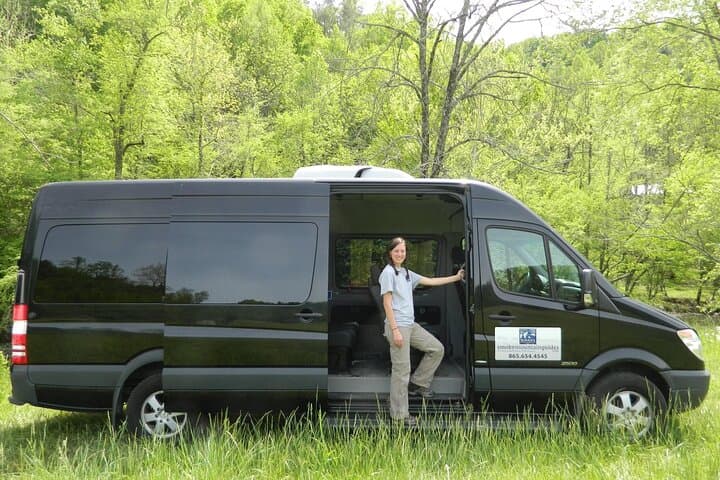
The tour starts with a local pick-up in comfortable, eco-conscious vans and a short lesson in the landscape’s hard-earned character. You’ll stop first at the remains of a resort town that flowered and then withered more than a century ago; its story—of logging, moonshine and mountain hospitality—reads like a local novella written in foundations and rusted signs. Guides use those ruins as a lens for the larger arc here: a valley logged almost bare by the turn of the 20th century, a conservation movement that pushed back, and the creation of the nation’s most visited park.
Driving US-441 toward Newfound Gap, the road climbs almost imperceptibly. The Smokies are older than most mountain ranges you’ll see: the bedrock here is Precambrian and Paleozoic—ancient, rounded, and resistant. The ridgelines are softer than the Rockies, their shoulders cloaked in spruce-fir at higher elevations and a riot of deciduous hardwoods lower down. In October, when maples and sourwoods burn themselves cherry-red and orange, this route becomes a living postcard; in spring, the understory erupts with wildflowers and rhododendron.
Stops pepper the route for photos and context. A guide will point out scars left by early logging, the telltale patterns of regrowth, and how settlers adapted to the steep, unpredictable terrain. Near the top you’ll reach Newfound Gap—the 5,000-foot threshold that marks the state line between Tennessee and North Carolina and the place where President Franklin D. Roosevelt dedicated the park in 1940. It’s also where the 2,200-mile Appalachian Trail slips in and out of the road’s shadow; part of the thrill is standing where thru-hikers cross into a new state, backpacks sagging, boots and faces tired but relieved.
Practicalities matter on a trip like this. The experience is a compact three-hour window—enough to frame the park’s big themes without turning a day trip into an endurance test. The tour runs in small groups (eco-friendly vans) and includes interpretive commentary; the cost starts at about $85. Stops are short but meaningful: expect 10–30 minute walks at select overlooks and historical sites. Elevation gain is most noticeable in your ears and the temperature drop—pack layers.
There’s a cultural friction here worth knowing: Gatlinburg and nearby Pigeon Forge are lively tourist towns with shuttered-cabinet quirks and genuine local craft traditions. The Smokies themselves are quieter, intent on persistence; the park is a living laboratory of biodiversity and the efforts to preserve it. Guides often weave local lore—stories of pioneers and park rangers—into the narration, lending the drive a human scale that compliments the geological one.
Why take this tour? For travelers who want a high-return, low-footprint introduction to the Smokies, it’s a smart choice: minimal walking required, rich historical interpretation, and guaranteed photo stops. It’s great for families, photographers hunting layered light, and anyone curious about how this park went from exploited forest to protected landscape. If you crave a longer tramp, use it as reconnaissance: you’ll learn where to return for longer hikes, berry patches, and ridgeline views.
Timing is everything. Go early for clearer air and softer light, or late in the afternoon for that quiet after the midday crowds. In leaf season, bring patience—parking at the best overlooks fills quickly. Cell service is patchy once you leave Gatlinburg, so set expectations and download maps or photos if you need them.
The tour strikes a balance: evocative storytelling rooted in concrete facts, short walks that serve the story rather than punish the knees, and a steady appreciation for the park’s layered past. For three hours you’ll be held to the rhythm of the road—its grades, curves, and vista points—and by the time you’re deposited back in town, you’ll see the Smokies with a different, clearer eye. If you want an efficient, thoughtful primer on Great Smoky Mountains National Park, this driving tour is the smart place to start. Book it, then keep your boots handy for the next adventure.
Trail wisdom
Small choices, better day.
Layer Up for Elevation
Temperatures can drop 15–25°F between Gatlinburg and Newfound Gap—bring a warm, breathable outer layer.
Go Early for Light
Morning light reduces haze and gives you clearer vistas—aim for the earliest departure available.
Expect Short Walks
Stops include 10–30 minute walks to overlooks and historic sites—wear sturdy shoes with good traction.
Keep Wildlife Wild
Do not feed animals from the vehicle or parking areas—observe from a distance to protect both you and the wildlife.
Local knowledge
Read the place, not just the route.
Watch for native species including Black bear, White-tailed deer.
Keep an eye out for wildlife during the transition between areas and habitats. Respect distance guidelines.
Great Smoky Mountains National Park is a UNESCO World Heritage Site and International Biosphere Reserve—pack out what you pack in and respect closure signs to protect fragile habitats.
Follow the guide's instructions on size limits, ethical handling, and leave-no-trace practices.
The century-old resort ruins near the first stop—quiet, photogenic, and often overlooked. Small pullouts below Newfound Gap that showcase layered valley views and fewer visitors
Locally recommended viewpoints and quiet spots known best to local operators.
The park was dedicated by President Franklin D. Roosevelt at Newfound Gap in 1940 after decades of conflict between commercial logging interests and conservationists.
Maritime roots and regional tradition shape the waterways and working coasts.
Seasonal guide
Four versions of the same landscape.
Spring
Best forWildflower blooms · Cool, clear views · Birding
ChallengesUnpredictable rain · Patchy fog in mornings
Spring brings bursts of color on the forest floor and comfortable temperatures, but carry rain layers for sudden showers.
Summer
Best forLush green vistas · Longer daylight · Family outings
ChallengesAfternoon thunderstorms · Higher humidity · Crowds
Summer is verdant and warm—travel early to avoid storms and peak crowds on scenic pullouts.
Fall
Best forPeak color viewing · Crisp air and light · Photography
ChallengesHeavy leaf-season traffic · Limited parking at overlooks
Autumn is the most popular time to visit for good reason—arrive early for the best overlooks and colors.
Winter
Best forSnow-dusted views · Quieter roads · Clearer air
ChallengesIcy roads at high elevations · Limited services
Winter offers stark, beautiful panoramas but bring traction shoes and check road conditions before travel.
Operator details
What the booking data adds.
Included
- ✓Bottled water
- ✓Snacks
Good to know
- ✓Suitable for all physical fitness levels
Pack with intention
What to bring.
Good to know
Common questions.
The tour runs approximately 3 hours and includes multiple short stops and photo overlooks.
Plan the edges
The details that make the day easier.
Great Smoky Mountains National Park is the most visited national park in the United States and is designated a UNESCO World Heritage Site and International Biosphere Reserve.
After the tour, head back to Gatlinburg for the Old Mill Restaurant in nearby Pigeon Forge for homestyle Southern cooking, try The Peddler Steakhouse for riverfront dining, and sample local brews at Smoky Mountain Brewery—don’t miss the city’s arts-and-crafts community for handmade souvenirs.
- Closest airport
- McGhee Tyson Airport (TYS, ~45 miles). Trailhead
- meeting
- Gatlinburg pickup; Driving distance to Newfound Gap: ~16–20 miles (~35–45 minutes due to curvy roads). Cell service: intermittent above 3,000 ft. Permits: No park entrance fee; certain pullouts fill during peak season.
This park is globally significant—pack out trash, stay on designated routes, and never feed wildlife to maintain ecological integrity.
Explore by topic
Follow the threads.
Keep exploring
Make the story part of the trip.
Set out from Bass Harbor for a private, customizable day on Blue Hill Bay — lighthouses, puffins, seals, and the chance to feel Acadia from the water. Small groups, local captains, unforgettable views.
In four hours you can move from shaded canyon ferns to wind-scoured coastal ridgelines, guided by someone who knows where the light—and the hidden views—live. This private half-day hike on the Monterey Peninsula or Big Sur is compact, curated, and perfect for travelers who want depth without a multiday commitment.
 Related story
Beneath a sky of shifting light, Skaftafell’s ice reads like a map of time. This three-hour guided glacier hike mixes technical instruction with geology and culture: compact, safe, and unforgettable.