
What the day feels like
You step off the tiny plane and the salt-sweet air feels like an invitation. Cayman Brac is small enough to know in an afternoon and wild enough to keep you busy for a week. The island’s spine—known locally as “the Bluff”—runs like a weathered jawbone along the north shore, a limestone ridge of caves, sinkholes and jagged outcrops that breaks the horizon into a succession of cliffs and coves. Walk toward the edge and the sea lays itself out in tiers: turquoise shallows, a deep cobalt shelf, and the sudden vertical drop where the Caribbean wall begins.
Cayman Brac is one of the trio of Cayman Islands, a place where human scale meets geological scale. The Bluff, which reaches roughly 140 feet (about 43 meters) at its highest, is a karst landscape carved by millennia of wind and waves. Beneath the limestone skin lie caves and fissures that have shaped how the island is inhabited and traveled: narrow trails skirt sinkholes, wooden steps ladder steep sections, and viewpoints are often framed by hardy shrubs and gnarled trees that look like they’ve been trained by the trade winds.
History here is subtle. Unlike better-known Caribbean colonial hubs, Cayman Brac’s story is largely one of isolation, boatbuilding, and subsistence — fishermen and farmers eking out a living from reef, sea and scrub. That isolation preserved pockets of endemic life. The island is famous among birders and conservationists for the Cayman Brac Parrot, a subspecies whose remaining populations are tied to the island’s remaining native forests. Local stewards protect nests and trails, and their quiet stewardship is part of any visit.
The dual personality of the Brac is what makes it an appealing short-break destination: land that demands to be walked and sea that begs to be explored. Trails along The Bluff are short and sharp—much of the best hiking is a series of half-day routes rather than long thru-hikes. Expect 1–3 mile (1.6–5 km) loops and out-and-backs that gain only a few hundred feet of elevation but feel adventurous because of rocky steps, occasional scrambling and views that reward every sweaty step. The ride-along experiences—short transfers to remote bays and wreck dives—are equally accessible: Cayman Brac is recognized among divers for dramatic walls, clear water and well-preserved wrecks.
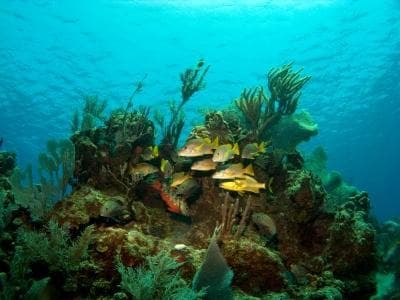
What to do: a morning spent hiking the bluff and visiting the parrot reserve pairs neatly with an afternoon on the water. Local operators run boat charters that combine snorkeling on pristine reefs with visits to dive sites and shallow wrecks. If you’re after action, bonefishing flats and reef fishing are reliable bets; guides know the tidal rhythms and where the fish congregate. For slower pleasures, look for small coves where you can stand on a limestone shelf and watch turtles thread their way along the edge of the reef.
Practical edge: the island’s trails are exposed. Bring sun protection, sturdy shoes and water—even short hikes can feel long under the Caribbean sun. If you plan to dive, surface intervals and tropical currents demand respect; work with a local operator who knows the sites and will brief you on currents and entry procedures.
Cayman Brac’s pace is deliberate. You’ll find few crowds and plenty of local advice on where the best viewpoints and fishing edges are. The island’s small communities mean that food is honest—seafood, roti, and freshly caught fish grilled with lime and local spices—and that friendly banter is part of the rhythm of the days.
If you come for a single highlight, make room for one long walk along the ridge at golden hour, then a sunset boat ride. The way the light licks the limestone and the sea turns from green to molten silver is deceptively simple and hard to forget. For photographers and quiet travelers, those are the moments that build a memorable trip: a parrot calling from a hidden hollow, a wall dive where the reef falls away into ampoule-dark blue, a fisherman mending nets on a coral shelf.
For planning: flights to Cayman Brac are limited; many visitors combine the Brac with a stay on Grand Cayman or Little Cayman. Book scuba and charter trips in advance, especially in high season, and consider renting a vehicle or arranging local transfers to reach trailheads. Respect protected areas—nesting sites and native forest fragments are actively conserved—and follow local guidelines for wildlife viewing.
Cayman Brac is not about luxury resorts or glittering marinas. It’s about rock, reef and the quiet competence of an island that still runs to its own timetable. Whether you’re walking the Bluff, diving a wall, or stalking bonefish across a wind-swept flat, the Brac rewards a straightforward approach: bring the right gear, hire local expertise, and leave room in your itinerary for unplanned discoveries. The island asks little—only that you look, listen, and move at its speed.
Trail wisdom
Small choices, better day.
Start early or late
Hike the Bluff at sunrise or late afternoon to avoid the sun and see parrot activity; mid-day is hottest and least pleasant.
Pack water and layers
Trails are exposed with occasional steep sections; bring 1 liter of water per hour and a lightweight wind layer for ridge-top gusts.
Hire a local guide for fishing or diving
Local skippers know the tides, the best wrecks and bonefishing flats—book guides for safety and better success.
Respect conservation zones
Give nesting areas and reserve signs a wide berth—park rangers and volunteers monitor sensitive parrot and reef sites.
Local knowledge
Read the place, not just the route.
Watch for native species including Cayman Brac Parrot, Green sea turtles.
Keep an eye out for wildlife during the transition between areas and habitats. Respect distance guidelines.
Local NGOs and park authorities run targeted programs to protect parrot nesting sites and reef habitats; visitors are asked to follow simple guidelines to minimize impact.
Follow the guide's instructions on size limits, ethical handling, and leave-no-trace practices.
Clifftop vantage points for sunset away from main viewpoints. Small local eateries serving freshly grilled fish and local roti
Locally recommended viewpoints and quiet spots known best to local operators.
Cayman Brac’s communities developed around small-scale fishing and boatbuilding; its relative isolation preserved unique wildlife and traditional island skills.
Maritime roots and regional tradition shape the waterways and working coasts.
Seasonal guide
Four versions of the same landscape.
Spring
Best forbirdwatching · calmer seas for snorkeling
Challengesvariable showers · shorter daylight than summer
Spring brings pleasant temperatures and good bird activity around parrot reserves; occasional rainstorms can appear in late afternoons.
Summer
Best fordiving warm water · bonefishing flats
Challengeshottest temperatures · potential tropical storms
Summer offers the warmest water and excellent visibility for diving, but bring strong sun protection and watch weather forecasts during hurricane season.
Fall
Best forfewer crowds · stable sea conditions
Challengeshurricane season runs through November · possible service interruptions
Fall can be quieter and rewarding for both land and sea activities; stay weather-aware and keep flexible plans.
Winter
Best forcooler hikes · clear water for diving
Challengespeak travel season means higher prices · limited local services may fill up
Winter delivers pleasant temperatures and excellent marine visibility—book charters and accommodations early.
Pack with intention
What to bring.
Good to know
Common questions.
Most routes are 1–3 miles roundtrip and take 1–3 hours depending on stops and fitness; expect 100–150 feet of elevation gain on the more scenic sections.
Plan the edges
The details that make the day easier.
Cayman Brac’s name comes from the Scottish word 'brac' meaning bluff or steep hill; the island’s distinctive ridge has been a navigational landmark for centuries.
Island food centers on fresh-caught fish, rice and beans, and hand-rolled roti; community-run kiosks and small seaside cafés offer the friendliest local flavors and the best gossip about where the parrots are nesting.
Choose reef-safe sunscreen, support local guides and conservation fees where applicable, and avoid touching or removing marine life to keep fragile reefs and nesting birds healthy.
Explore by topic
Follow the threads.
Keep exploring
Make the story part of the trip.
Set out from Bass Harbor for a private, customizable day on Blue Hill Bay — lighthouses, puffins, seals, and the chance to feel Acadia from the water. Small groups, local captains, unforgettable views.
In four hours you can move from shaded canyon ferns to wind-scoured coastal ridgelines, guided by someone who knows where the light—and the hidden views—live. This private half-day hike on the Monterey Peninsula or Big Sur is compact, curated, and perfect for travelers who want depth without a multiday commitment.
 Related story
Beneath a sky of shifting light, Skaftafell’s ice reads like a map of time. This three-hour guided glacier hike mixes technical instruction with geology and culture: compact, safe, and unforgettable.