
What the day feels like
The road leaves Anchorage like a ribbon cast toward the mountains, the highway hugging the slate-blue edge of Turnagain Arm. Tidal currents snarl and rush out there, pushing forward as if impatient to meet the Gulf of Alaska. The Chugach Range shoulders up beside you, snow clinging to gullies even in June, waterfalls stitching white threads down the dark rock. It’s an easy start for a big day—hotel pickup, a good seat, and a simple promise: in four hours you’ll see the wild faces that define Alaska, without needing to lace up for a marathon or summon expedition-level grit. This is the rhythm of the Alaska Wildlife Day Tour, a half-day that feels full, where landscapes shift quick as weather and wildlife steps into view on its own terms.
Southbound on the Seward Highway, the van eases into one of the most celebrated drives in North America—an All-American Road where scenery does the heavy lifting. The tide in Turnagain Arm is a living metronome, slapping at pilings, dragging kelp, and on big days rolling into a bore tide that sprints down the inlet like a silver-backed creature of its own. The mudflats here have their moods, too, slick with glacial silt that looks solid but swallows, daring the reckless to test them. Your guide keeps a safe, practiced tempo: pullouts at Beluga Point and Bird Point when wind allows, a quick scan for Dall sheep that like to tiptoe the cliffs at Windy Corner, bald eagles riding thermals above the spruce.
Alaska loves its origin stories, and this arm of water carries a famous one. Captain James Cook came here in 1778, searching for a passage that wasn’t there, forced to turn again and again. The name stuck—Turnagain—and it fits the place’s personality. Weather turns again. Light turns again. A clear view here is a gift, and when it arrives, it’s big: mountains knitting horizon to horizon, water wrinkling like hammered pewter, the sky doing what it wants.
The Alaska Wildlife Conservation Center, tucked near Portage at the end of the arm, is where the wild steps close—on your terms, ethically. This sanctuary rescues injured and orphaned animals and creates room for them to live the way they’re built to live. It’s where wood bison found a second chapter, a conservation success that rippled across the state. On a good day, you’ll meet the stare of a brown bear who owns every inch of their massive stride, watch a wolf dismiss the wind with a slow blink, and see musk ox in their shaggy, Pleistocene coats as if winter never quit them. Moose move like living forests; lynx carry their secrets in their paws. The tour’s pace is unhurried: walk a little, step back to the van if a squall pushes through, grab a snack, and wait for light.
This is a short and sweet kind of adventure, one you can slide into an Anchorage morning or afternoon without overhauling your travel plan. It’s perfect for families, first-timers, or anyone who wants Alaska’s headline characters without the logistics of deep backcountry. Guides know how to place you—always behind barriers and always at a respectful distance—so the animals decide the moment. That’s the quiet grace of this experience: you don’t chase wildlife. You arrive, you listen, and Alaska does what Alaska does.
Along the way, the land tells its story if you know where to look. The ghost forests near the arm are reminders of the 1964 Good Friday earthquake, when the ground dropped and saltwater rose to kill stands of spruce. The Chugach icefields, feeding waterfalls and braided streams, grind mountains into the fine silt that shapes the inlet’s treacherous flats. On clear days you see far; on cloudy days the clouds have texture—low, muscular, shifting fast like they’re in a hurry to get somewhere else.
By design, the <a href="https://app.advcollective.com/local-experts/alaska-wildlife-day-tour">Alaska Wildlife Day Tour</a> keeps logistics light. Hotel pickup means no hunting for trailheads or parking, and admission to the conservation center is handled. You’ll have bottled water and snacks in the van, room for an extra jacket, and time to stretch your legs when you want to. Even on rainy days—common and character-forming along the arm—the views hold. The road feels elemental; the inlet throws up whitecaps; and the animals, unbothered, get on with their lives. If you’re building an Anchorage itinerary and want an authentic, age-inclusive way to shake hands with Alaska’s wild heart, this is it.
A few pro moves elevate the day. Layers make the difference between enduring and enjoying; a rain shell earns its keep fast. A pair of binoculars turns distant movement on the ridgelines into Dall sheep, and a telephoto or superzoom camera helps you shoot safely without leaning on a fence. Know the tide if you’re hoping for the bore, and never—ever—step out onto the flats, no matter how firm they look. Let the inlet do its thing while you do yours: watch, learn, breathe. And remember to look back toward Anchorage on the return—sunset can set the entire arm on fire in summer’s long evenings, the sky unfurling hard-won color as if the day hasn’t finished speaking.
Anchorage serves as your base camp for this half-day foray, with creature comforts bookending the wild. And if this taste of Alaska stokes your appetite, the same local team behind the <a href="https://app.advcollective.com/local-experts/alaska-wildlife-day-tour">Alaska Wildlife Day Tour</a> can point you toward longer explorations—glacier cruises, hikes that trade pavement for tundra, and backcountry routes that follow the pull of the mountains deeper inland. Start small. Start smart. Let the road along Turnagain Arm introduce itself, the water urging you forward, the mountains nodding their granite approval. Four hours later you’ll be back in town, carrying more than snapshots: a tighter sense of place, a fresh respect for the animals that anchor it, and the feeling that Alaska, properly met, returns the favor.
Trail wisdom
Small choices, better day.
Respect Turnagain Arm’s Tides
Never walk on the mudflats—glacial silt acts like quicksand, and the bore tide arrives fast. Enjoy views only from safe pullouts and boardwalks.
Layer Up for Coastal Weather
Conditions swing from sun to wind-driven rain. Pack a waterproof shell and a warm midlayer, even in summer.
Give Wildlife Space
Follow all barriers and guide instructions at the conservation center; zoom lenses and binoculars help you observe without crowding animals.
Choose Your Seat Smartly
On the drive south, a left-side window seat offers big views of Turnagain Arm; swap sides for mountain vistas on the return.
Local knowledge
Read the place, not just the route.
Watch for native species including Bald eagle, Dall sheep.
Keep an eye out for wildlife during the transition between areas and habitats. Respect distance guidelines.
The Alaska Wildlife Conservation Center rescues injured and orphaned animals and has led wood bison reintroduction efforts in Alaska—observe respectfully to support their mission.
Follow the guide's instructions on size limits, ethical handling, and leave-no-trace practices.
Potter Marsh Boardwalk for easy bird watching near Anchorage. Bird Point pullout for sweeping inlet views and a chance at the bore tide
Locally recommended viewpoints and quiet spots known best to local operators.
Captain James Cook named Turnagain Arm in 1778 after repeatedly turning back while searching for the Northwest Passage.
Maritime roots and regional tradition shape the waterways and working coasts.
Seasonal guide
Four versions of the same landscape.
Spring
Best forNewborn wildlife sightings · Migratory bird watching
ChallengesGusty winds on Turnagain Arm · Freeze–thaw slickness
Snow lingers high while the lowlands green up. Expect variable weather and lively wildlife activity as winter loosens its grip.
Summer
Best forLong daylight and photography · Highest wildlife activity
ChallengesHeavier highway traffic · Occasional rain squalls
Endless light and rich greens make for prime viewing. Afternoon showers roll through quickly; the inlet and mountains stay dramatic either way.
Fall
Best forGolden tundra and foliage · Crisp, clear air
ChallengesEarly storms · Wildlife rut—extra caution
By September the Chugach glows in bronze and gold. Cooler temps thin crowds and sharpen views; dress warmer and watch for moose giving wide berth.
Winter
Best forSnowy mountain drama · Low-angle, cinematic light
ChallengesIcy roads and walkways · Short daylight windows
Quiet roads and snow-draped peaks create stark beauty. Bundle up and plan around daylight; tours operate weather permitting.
Pack with intention
What to bring.
Good to know
Common questions.
Walking is optional and minimal; most viewing is near the van with flat, accessible paths at the Alaska Wildlife Conservation Center.
Plan the edges
The details that make the day easier.
Turnagain Arm is one of the few places in North America where a tidal bore occurs, creating a single wave that can reach several feet high during extreme tides.
After the tour, swing by Moose’s Tooth in Anchorage for award-winning pizza and local beer, or head to Girdwood’s Double Musky Inn for Cajun-Alaskan comfort. Coffee on the go? Kaladi Brothers keeps you warm, and Girdwood Brewing pours easy-drinking ales with mountain views.
- Closest airport
- Ted Stevens Anchorage International (ANC). Pickup: Anchorage hotels. Drive time to the Alaska Wildlife Conservation Center: about 1–1.5 hours with scenic stops. Cell service is reliable in Anchorage and patchy along Turnagain Arm. No permits required; admission to the center is included with the tour.
This coastline and its residents are sensitive to disturbance—stay behind barriers, never step onto mudflats, and pack out all trash. Your visit supports AWCC’s rescue and rehabilitation work; observe quietly to reduce animal stress.
Explore by topic
Follow the threads.
Keep exploring
Make the story part of the trip.
In four hours you can move from shaded canyon ferns to wind-scoured coastal ridgelines, guided by someone who knows where the light—and the hidden views—live. This private half-day hike on the Monterey Peninsula or Big Sur is compact, curated, and perfect for travelers who want depth without a multiday commitment.
 Related story
Beneath a sky of shifting light, Skaftafell’s ice reads like a map of time. This three-hour guided glacier hike mixes technical instruction with geology and culture: compact, safe, and unforgettable.
 Related story
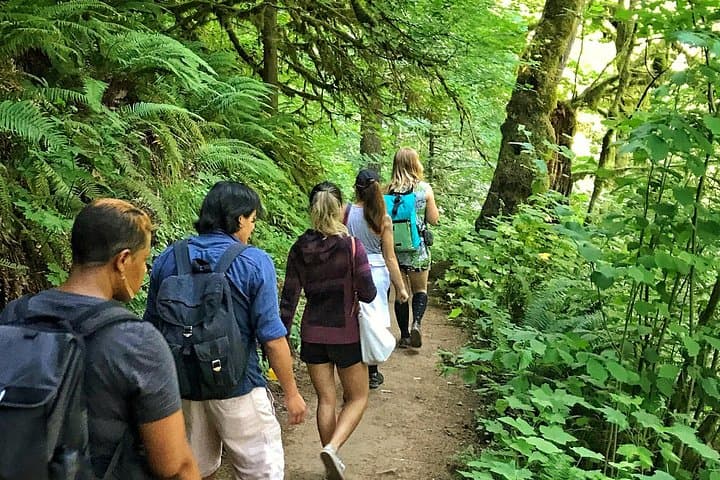
Lose the city for a few hours without leaving it: this 5-mile, 900-foot-gain Forest Park loop threads old-growth pockets, city viewpoints, and cultural landmarks for a compact taste of Portland’s wild side. Expect moss, roots, and stories.