
What the day feels like
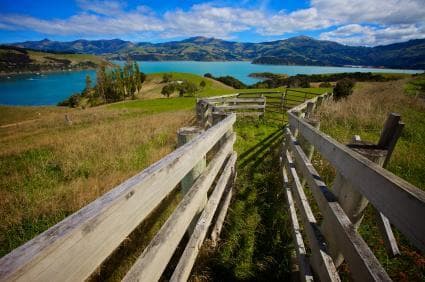
The first light on Akaroa Harbour arrives like a promise. It slides along glossy water pooled in the hollow of an extinct volcano, lights up the rusted cliffs, and makes the small town’s weatherboard houses glow. Stand on the jetty and breathe in the salt and grass-scented air; gulls quarrel overhead and the harbor itself holds a slow, patient energy, as if waiting to show you everything it’s kept safe for millennia.
Akaroa Harbour is not the usual coastline. It is a crater rim softened by time, a submerged caldera carved by volcanic fury millions of years ago and now inhabited by a delicate and astonishing cast: endemic Hector’s dolphins that thread the shallows, fur seals clambering on rocky ledges, penguins skittering at dawn, and albatrosses circling offshore. Local operators—some families still practicing centuries-old maritime skills—run small-boat cruises and sailing trips that put wildlife and the harbor’s intimate geology at center stage. The experience is equal parts classroom and theater, conducted in low-lying craft that make you feel, quite literally, close to the sea.
History and geology here are one conversation. Banks Peninsula, of which Akaroa Harbour is the most storied indentation, was formed by a cluster of volcanoes. Over time, lava and ash built steep headlands; erosion and rising seas converted the crater into a sheltered harbor. Māori settled the peninsula long before European colonists arrived, drawing on the harbor’s rich shellfish beds. In the 1840s, French whalers and settlers landed here, leaving a small but enduring imprint: place names, stone cottages, and a culinary inclination toward seafood that still defines Akaroa’s tables.
What makes this place travel-worthy isn’t just the scenery but the intimacy of the encounters. On an early morning Akaroa Dolphins ~ Harbour Nature Cruise, you’ll be on a craft whose low profile is designed to let dolphins approach without feeling threatened. Guides are local—often multigenerational—fluent in marine behavior and conservation, and they’ll point out subtle signs: a line of birds, a sudden ripple, a dive pattern that betrays a pod’s location. If you prefer sail, the Fox II offers a quieter, wind-driven option. A vintage ketch more than a century old, she slips into sea caves, threads past waterfalls, and keeps engine noise to a minimum so encounters linger longer.
For a deeper cultural frame, private walking or driving tours—like the Nature and History Private Tour with a descendant of the French settlers—pair the harbor’s natural history with social history. You’ll learn how European and Māori stories intertwine here, and why conservation isn’t a modern afterthought but an ongoing partnership between locals and national agencies. Oddly modern attractions, too, have a place: the Solar Explorer’s sun-viewing sessions in Akaroa offer an unexpected afternoon alternate—swap whales and dolphins for sunspots and solar flares, and come away with a different kind of vastness.
Practicalities are simple but important. Most harbor cruises run two to three hours; check-in is commonly 30 minutes before departure. The water is usually calm in summer but can be brisk and choppy when winds pick up, so dress in layers and bring motion-sickness remedies if you’re prone. Book small-boat trips early in peak season—operators keep groups intentionally small to reduce disturbance to wildlife and to deliver better viewing. Don’t expect dramatic shipboard luxuries; expect knowledgeable crews, warm drinks, and the kind of focused, local storytelling that makes the harbor feel like a living museum.
Why go now? For wildlife, you’ll find Akaroa particularly special: Hector’s dolphins—one of the world’s smallest and rarest dolphin species—are resident here. The harbor’s structure, the abundance of fish, and strong local conservation efforts make sightings frequent enough to justify a trip. Beyond that, the crater’s cliffs and sea caves reward a slow effort: venture with an experienced skipper and you’ll see geology up close—strata, basalt formations, and the remnants of volcanic sculpting that give the peninsula its dramatic profile.
Planning tips to keep the trip meaningful: choose an operator that supports conservation work; ask about departure times that prioritize wildlife activity (dawn and late afternoon can be especially good); and if you want a look behind the curtain, book a local history tour to pair with your sea time. Eat like a local—smoked Akaroa salmon and mussels taste better with a harbor view—and consider staying a night to watch the harbor shift through sunrise and moonlight.
Akaroa Harbour is the sort of destination that rewards curiosity. It’s compact but layered—geology, natural history, and human stories fold into a short drive from Christchurch and into a few hours on the water. If you want a travel experience that’s both easily accessible and quietly profound, it starts here, on the rim of a volcano where dolphins still choose to play.
Practical snapshot: allow two to three hours for a nature cruise, bring layers, and prioritize operators that limit group size and support local conservation. With a little planning, you’ll leave Akaroa Harbour feeling like you’ve been let into a secret: a rare place where the sea still has dignity and the animals still feel at home.
Trail wisdom
Small choices, better day.
Book small-group cruises early
Operators cap passenger numbers to protect wildlife and improve viewing—reserve ahead, especially in peak season.
Bring motion-sickness remedies
Even moderate chop can unsettle; take preventative medication or use wrist bands if you’re prone to seasickness.
Layer up for variable conditions
Mornings are cool and breezy on the water; a windproof shell over warm mid-layers is ideal.
Support conservation-minded operators
Choose tours that contribute to local research or follow DOC guidelines to minimize wildlife disturbance.
Local knowledge
Read the place, not just the route.
Watch for native species including Hector’s dolphin, New Zealand fur seal.
Keep an eye out for wildlife during the transition between areas and habitats. Respect distance guidelines.
Local operators partner with DOC and marine trusts to monitor populations and reduce disturbance; choosing certified eco-tours supports that work.
Follow the guide's instructions on size limits, ethical handling, and leave-no-trace practices.
Drive the scenic Summit Road for panoramic harbor views away from crowds. Visit local smokehouses for Akaroa salmon and mussel tastings—best in the late afternoon
Locally recommended viewpoints and quiet spots known best to local operators.
Akaroa Harbour sits within Banks Peninsula’s eroded volcanic crater and was a focal point for Māori settlement and later French-European colonists in the 19th century.
Maritime roots and regional tradition shape the waterways and working coasts.
Seasonal guide
Four versions of the same landscape.
Spring
Best forCalmer seas · Migratory birdwatching · Flowering coastal hikes
ChallengesUnpredictable showers · Cool mornings · Variable wind
Spring brings nesting seabirds and new lambs on the peninsula; expect cool mornings and occasional sea breezes that can change quickly.
Summer
Best forDolphin sightings · Sailing and kayaking · Swimming and longer daylight
ChallengesPeak crowds · Higher boat traffic · Sun exposure
Summer delivers the calmest waters and best odds for wildlife encounters but book early and bring sun protection.
Fall
Best forPhotography with softer light · Fewer tourists · Mild sailing conditions
ChallengesCooling temperatures · Shorter days · Occasional storms
Autumn light flatters the cliffs and the crowds thin—still warm enough for comfortable cruises with crisp evenings ashore.
Winter
Best forStorm-spectator views · Quiet harbor walks · Seal and seabird spotting
ChallengesRougher seas · Short daylight hours · Cold, wet weather
Winter is quieter and moodier; cruises operate but be prepared for rougher water and strong winds that can limit access.
Pack with intention
What to bring.
Good to know
Common questions.
Most wildlife and nature cruises last between two and three hours; specialty sail trips may be slightly longer.
Plan the edges
The details that make the day easier.
Akaroa Harbour is the flooded caldera of an extinct volcano on Banks Peninsula and is one of the few places where endemic Hector’s dolphins regularly occur.
Akaroa retains a Franco-Māori flavor: local cafés serve smoked Akaroa salmon and French-style pastries, while community events celebrate seafaring and conservation.
- Duration
- 2–3 hours; Nearest hub: Christchurch (90 min drive); Book early for summer; Boarding: typically 15–30 minutes pre-departure; Accessibility: limited on some vintage sailboats—check with operator.
Prefer operators that contribute to DOC or NZ Whale & Dolphin Trust, follow approach-distance rules, and minimize engine idling to reduce disturbance and emissions.
Explore by topic
Follow the threads.
Keep exploring
Make the story part of the trip.
Set out from Bass Harbor for a private, customizable day on Blue Hill Bay — lighthouses, puffins, seals, and the chance to feel Acadia from the water. Small groups, local captains, unforgettable views.
In four hours you can move from shaded canyon ferns to wind-scoured coastal ridgelines, guided by someone who knows where the light—and the hidden views—live. This private half-day hike on the Monterey Peninsula or Big Sur is compact, curated, and perfect for travelers who want depth without a multiday commitment.
 Related story
Beneath a sky of shifting light, Skaftafell’s ice reads like a map of time. This three-hour guided glacier hike mixes technical instruction with geology and culture: compact, safe, and unforgettable.