
What the day feels like
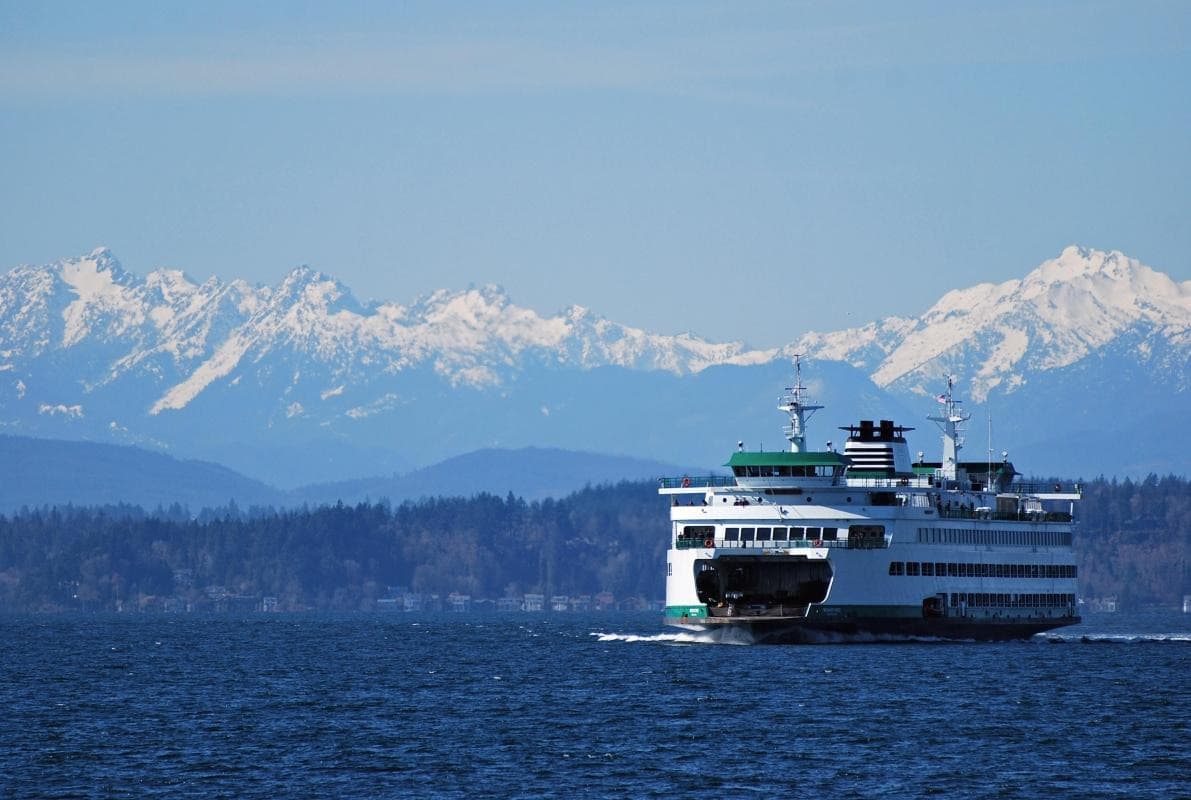
The ferry horn cuts clean across Elliott Bay and the city exhales—glass towers, ferris wheel and salt-stung air melting into one slow, communal movement. You step onto the car deck and walk past trucks and vans, then up a steel stairwell into a bright, drafty salon. Outside, the wake churns silver toward the Olympic Mountains. The sound of gulls and the low click of cameras replace the city’s honk. This is Washington State Ferries, a public artery that doesn’t just move people; it flips your day into an island itinerary.
On one of Seattle’s clearest mornings, a commute becomes a small expedition. From Colman Dock, the ferry threads between pilings and pleasure boats, then widens into Puget Sound. The shoreline peels away—industrial piers give way to tree-lined bluffs—while onboard conversations range from the mundane (traffic updates) to the earnest (where to get the best chowder on Bainbridge). For travelers, the ferry is a literal and cultural bridge: a cheap, efficient way to feel the region’s maritime geography and the slow rhythms of island communities.
There’s history in the beams. Washington State Ferries dates to the state’s 1951 takeover of the private Puget Sound Navigation Company. The system grew to knit together dozens of communities separated by water, and its fleet—one of the largest in the U.S.—is a practical legacy of that mid-century expansion. Each route reads like a micro-history of the Sound: former logging and naval towns, fishing hamlets, and commuter neighborhoods all arranged around the ferry timetable.
Geology shapes the ride. The Sound itself is a drowned river valley carved by glaciation; the ferry slides along straits and through basins created by ice and tectonics. Islands rise like green ribs from dark water. Shorelines alternate between sediment beaches and craggy outcrops, holding tiny pockets of temperate rainforest where moss and cedar hang low. The mountains—Cascades to the east, Olympics to the west—provide a slow-motion backdrop that alters the mood of every crossing.
Don’t expect an adrenaline high. The lure of Washington State Ferries is subtler: the sensory arithmetic of wind, coffee, and shifting light; the small-town discoveries that await when you step ashore. Bainbridge Island’s downtown—stone sidewalks, independently owned shops, a modest museum—feels nothing like downtown Seattle though it’s a 35-minute ferry ride away. Bremerton unfolds a naval past and surprising cultural points, while Vashon’s country lanes and farms offer a quiet counterpoint to the city. Each island pushes its own slow agenda—cafes that open in the late morning, tidepools that reveal themselves at low tide, trails that begin at ferry terminals.
Practicality is part of the charm. Ferries are scheduled and ticketed—walk-on fares are simple; vehicle reservations are route-dependent and sensible to secure during summer and holiday weekends. Ferries run year-round, but the rhythm changes with the seasons: sun-drenched crowds in July, fog-softened solitude in October. Onboard services are functional: restrooms, a snack counter, and outdoor decks engineered to deliver uninterrupted views.
How to plan it: pick a route to match your appetite. A quick round-trip to Bainbridge is a compact city escape—fast, scenic, and walkable when you land. A Bremerton or Kingston crossing sets you up for longer explorations, museums, or bike rides. Combine a ferry crossing with a hike—many island parks have short but satisfying trails that connect tidelands to viewpoints. For day trips, aim for first or mid-morning departure to avoid peak return times and to give yourself time ashore.
Fitness and gear are forgiving but purposeful. A daypack with layers is all most travelers need; wind and spray can be deceptive, and islands tend to be cooler than the city. If you bring a bike, check vehicle and bike policies on the route—some require reservations or have designated racks. Footwear should be comfortable for walking on docks and uneven village streets.
For photographers and quiet observers, timing is everything. Early light sculpts the shoreline; late afternoon offers long shadows and backlit ridgelines. If you want to chase wildlife—harbor seals and bald eagles are frequent companions—scan the kelp beds and rocky outcrops as the ferry eases past. Respect marine life from a distance and avoid throwing bread or food into the water; healthy ecosystems don’t need our handouts.
There’s a practical kindness to ferry travel that’s easy to overlook: it’s a shared public service serving daily commuters and curious travelers alike. Riders exchange small courtesies—helping a tourist with a map, a local pointing out a landmark—because everyone is engaged in the same small ritual of crossing.
If you’re building an island-centric itinerary from Seattle, use the ferry as both transport and an appetizer. Pack for weather, plan on walking, and be ready to alter plans on a whim; half the reward is the unplanned detour—a roadside stand, a quiet beach, a conversation in a village coffee shop. The ferry doesn’t rush you. It delivers you slowly into new terrain: a milder climate, calmer pace, and a landscape that rewards curiosity and boots on the ground.
Trail wisdom
Small choices, better day.
Buy or reload your ticket ahead
Use the WSF ticket kiosks or online services to avoid lines during busy summer weekends; walk-on fares are quicker than vehicle reservations.
Dress in layers and bring a windbreaker
Water and wind off the Sound can be colder than the city, even in summer; a shell keeps you comfortable on the open deck.
Reserve vehicle space for peak times
If bringing a car, book slots in advance (especially holiday weekends) to avoid being turned away at the terminal.
Plan your return outside rush hour
Midday or early evening sailings can be crowded—return mid-afternoon for fewer lines and a relaxed ride back.
Local knowledge
Read the place, not just the route.
Watch for native species including harbor seal, bald eagle.
Keep an eye out for wildlife during the transition between areas and habitats. Respect distance guidelines.
WSF has been testing hybrid and electric propulsion and pursues fuel-efficiency measures to reduce emissions; riders can help by following no-litter policies and respecting shore habitat.
Follow the guide's instructions on size limits, ethical handling, and leave-no-trace practices.
Bainbridge Island’s Waterfront Trail and Bainbridge Island Museum of Art for a compact cultural stop. Vashon Island’s north-end beaches and farm stands—quiet roads and island produce
Locally recommended viewpoints and quiet spots known best to local operators.
The state took over private ferry operations in 1951, creating what is now Washington State Ferries to unify and expand service across Puget Sound.
Maritime roots and regional tradition shape the waterways and working coasts.
Seasonal guide
Four versions of the same landscape.
Spring
Best forwildflower walks on island trails · fewer crowds · mild weather for walking
Challengesoccasional rainy days · muted visibility on foggy mornings
Spring offers quieter terminals and blooming island trails; pack for showers and morning fog.
Summer
Best forclear views of the Olympics · long daylight for exploration · vibrant island festivals
Challengescrowded sailings and full vehicle lanes · higher prices and busy docks
Summer is peak season for views and events—book early and aim for early departures to beat the crowds.
Fall
Best formoody seascapes and birding · fewer tourists · harvest-season farm stands
Challengesshortening daylight and intermittent storms
Fall gives dramatic light and quieter villages; bring warm layers and be ready for rain on colder days.
Winter
Best forsolitude and storm-watching · lower fares on some routes · cozy island cafes
Challengesrougher seas on storm days · reduced daylight and some service adjustments
Winter crossings can be atmospheric and quiet; check schedules for weather-related changes and dress warmly.
Pack with intention
What to bring.
Good to know
Common questions.
Walk-on passengers usually don’t need reservations, but vehicles require reservations on many routes—book ahead for summer weekends and holidays.
Plan the edges
The details that make the day easier.
Washington State Ferries is the largest ferry system in the United States, operated by the Washington State Department of Transportation since 1951.
Island cafes, seafood shacks, and farmers’ markets define Puget Sound’s flavor—ask locals for a recommended chowder spot or a bakery near the dock.
- From Colman Dock (Seattle)
- buy walk-on fare or reserve vehicle space online; typical crossings 35–60 minutes; basic onboard amenities; year-round service with seasonal frequency changes.
Choose walk-on travel when possible, respect shorelines and no-litter rules, and support local island businesses to keep economies resilient and reduce unnecessary vehicle trips.
Explore by topic
Follow the threads.
Keep exploring
Make the story part of the trip.
Set out from Bass Harbor for a private, customizable day on Blue Hill Bay — lighthouses, puffins, seals, and the chance to feel Acadia from the water. Small groups, local captains, unforgettable views.
In four hours you can move from shaded canyon ferns to wind-scoured coastal ridgelines, guided by someone who knows where the light—and the hidden views—live. This private half-day hike on the Monterey Peninsula or Big Sur is compact, curated, and perfect for travelers who want depth without a multiday commitment.
 Related story
Beneath a sky of shifting light, Skaftafell’s ice reads like a map of time. This three-hour guided glacier hike mixes technical instruction with geology and culture: compact, safe, and unforgettable.