
What the day feels like
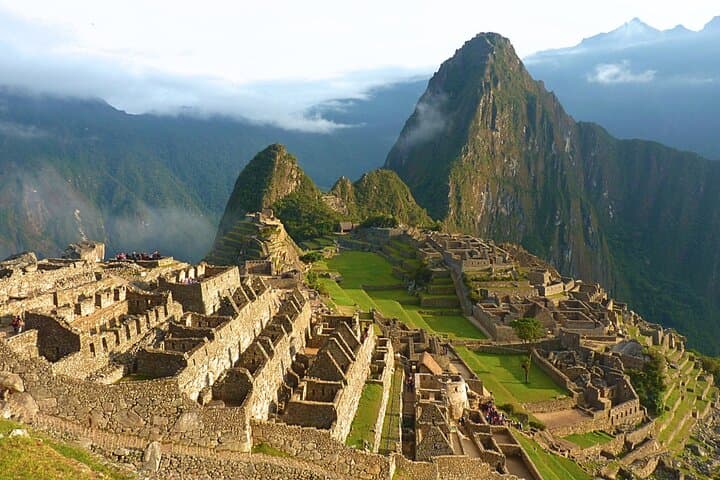
On the second morning in Cusco the city feels like a living museum: red tile roofs and baroque churches stacking their shadows between steep narrow streets, while the Andes hold their breath outside town. You rise before the sun because altitude makes mornings crisp and because there is a rhythm to this itinerary—acclimatize, descend, climb, climb again—that rewards an early start. Over five days you move like the Incas once did: along river valleys and stone staircases, through markets where alpaca shawls hang beside bright peppers, toward the stone silhouette of Machu Picchu and the otherworldly stripe of Rainbow Mountain.
The tour is less a sprint than a paced introduction to a complex landscape and culture. Day one begins in Cusco’s Plaza de Armas with a short orientation and visits to colonial and pre-Columbian sites that illustrate the Spanish overlay atop Inca foundations. You feel the altitude—Cusco sits at roughly 3,400 meters—so the itinerary smartly staggers exertion. Over the next two days you cross the Sacred Valley: Pisac’s terraced hillsides and colorful markets, the living fortress of Ollantaytambo with its precise stonework, and narrow agricultural terraces that still feed local families. There are history lessons in the field: where the Incas harnessed microclimates, built freeze-resistant storage cellars, and laid out roads that tied this region together.
Geology here tells its own story. The Andes are a folded spine of uplifted sediment and volcanic deposits; Machu Picchu sits on a green spur carved by the Urubamba River, and Rainbow Mountain—Vinicunca—shows the slow chemistry of mineral layers exposed by glacial retreat. Those oxidized layers create the gem-like bands of red, ochre, and turquoise that drew the last decade's social-media crowds, but up close the mountain’s colors feel elemental and raw.
Culture is threaded through every stop. Markets in Pisac and Cusco are practical places: farmers trading potatoes, women selling roasted corn and richly hued textiles, Quechua speakers negotiating with a cadence that has endured centuries. Local guides translate not just language but a worldview. You learn that preservation here depends on patience—of the government, tourism operators, and visitors. Machu Picchu itself is UNESCO-listed, and the tour includes practical guidance on tickets and respectful behavior at ruin sites.
The logistics are straightforward but firm-minded: there is a train component from Ollantaytambo to Aguas Calientes, the small town that serves as Machu Picchu’s gateway, and you’ll choose between the steep footpath up from Aguas Calientes or the 20–30 minute shuttle bus to the citadel. On the final days you ascend to Machu Picchu at dawn when the light chisels terraces and temples into relief. If you’re fit and have pre-booked permits, you can add the stair-climb to Huayna Picchu for a view that folds the river back on itself; if not, there’s plenty of drama from the main terrace.
Practicality is the backbone of enjoyment here. Altitude is the real variable: headaches, breathlessness, and slower legs are common. The tour’s 5-day format gives enough time to acclimatize without dragging—two gentle days in the Sacred Valley before the high, brisk walk to Rainbow Mountain or the steep approach to Machu Picchu. Pack for layers, sun, and sudden showers: the high Andes can flip weather in an hour. Hydration, slow pacing, and a boiled coca tea here and there are simple, effective mitigations.
This trip balances archaeology, scenery, and cultural exchange. It is ideal for travelers who want more than a single-day pilgrimage to the ruins—those who like to sleep in small towns, to move through landscapes and histories at human speed, and to return home with a clearer sense of how geography shaped an empire. For photographers there are relentless frames: terraces lit from the side, the close weave of market textiles, and the cathedral silhouette against glacial slopes. For hikers the mileage isn’t extreme compared to multiday treks, but elevation and uneven Inca stone requires steady footing.
Book this if you want an efficient, guided introduction to the high Andes that prioritizes context as much as checkpoints. The price reflects transport, trained guides, and the logistics of trains and park passes—allowing you to experience the best of Cusco, the Sacred Valley, and Machu Picchu without spending days piecing connections together. Go with modest expectations about exertion at altitude and big expectations about the sensory rewards: food that surprises with earthy flavors, markets that feel alive, and ruins that move from postcard to lived-in place once you know the stories behind the stones.
Trail wisdom
Small choices, better day.
Acclimatize before pushing hard
Use the first 24–48 hours to take it easy in Cusco; short walks and hydration reduce altitude sickness risk.
Bring a refillable water bottle
Filtered water is available at many stops—refill rather than purchase single-use plastics.
Layer strategically for temperature swings
Mornings can be below freezing at high elevations while afternoons warm; pack merino or synthetics.
Book Machu Picchu and Huayna Picchu early
Tickets and train seats sell out in high season—reserve at least a month ahead.
Local knowledge
Read the place, not just the route.
Watch for native species including Andean condor, Vicuña.
Keep an eye out for wildlife during the transition between areas and habitats. Respect distance guidelines.
Tourism pressure has prompted stricter entry controls at Machu Picchu and calls for sustainable practices—stick to trails, avoid single-use plastics, and respect local customs.
Follow the guide's instructions on size limits, ethical handling, and leave-no-trace practices.
Maras salt pans—spectacular terraced salt evaporation pools near the Sacred Valley. The agricultural terraces of Moray—circular Inca test plots showing microclimate engineering
Locally recommended viewpoints and quiet spots known best to local operators.
The Inca engineered terraces, roads, and storage systems across the Sacred Valley; Spanish colonial architecture later layered new town centers atop many Inca foundations.
Maritime roots and regional tradition shape the waterways and working coasts.
Seasonal guide
Four versions of the same landscape.
Spring
Best forFewer crowds · Wildflower displays
ChallengesVariable weather · Residual wet trails
Spring (Sept–Nov in the southern hemisphere) brings warming temperatures and fewer tourists than peak season, but expect afternoon showers at higher elevations.
Summer
Best forClear mountain views · Festivals and cultural events
ChallengesHigh-season crowds · Higher prices
The dry season (May–September) offers the most stable weather and crisp visibility—prime time for Machu Picchu at dawn.
Fall
Best forColor on the hillsides · Calmer trails
ChallengesCool nights · Possible rain late in the season
Autumn pockets are pleasant for market visits and terraces; pack warm layers for evenings and early starts.
Winter
Best forQuiet trails · Dramatic skies
ChallengesCold, especially at night · Some services reduced
Peru's highland winter is dry and cold—days are often sunny but nights drop well below freezing at altitude.
Operator details
What the booking data adds.
Included
- ✓01 night accommodation in Aguas Calientes
- ✓Lunch in Urubamba (Day 02)
- ✓Entrance Ticket to Qoricancha and Maras Salt Mine
- ✓Transport and guided tour of sites in Cusco
- ✓Lunch
- ✓Round Trip Bus ticket (Aguas Calientes-Machu Picchu-Aguas Calientes)
- ✓Breakfast
- ✓Round Trip Train ticket (Ollantaytambo-Aguas Calientes-Ollantaytambo)
- ✓Entrance Ticket to Rainbow Mountain
- ✓Round Trip Transportation (Cusco-Cusipata-Cusco)
- ✓Breakfast and Lunch in Cusipata
- ✓First Aid Kit and Oxygen
Not included
- —03 Accomodation in Cusco
- —Sacred Valley Archeological Sites Entrance tickets (19 USD)
- —Personal Expenses
- —Gratuities
- —Cusco City tour Entrance tickets (19 USD)
Good to know
- ✓Not recommended for travelers with spinal injuries
- ✓Not recommended for pregnant travelers
- ✓Not recommended for travelers with poor cardiovascular health
- ✓Travelers should have at least a moderate level of physical fitness
Pack with intention
What to bring.
Good to know
Common questions.
Yes—while the itinerary includes time for adjustment, arriving in Cusco a day early and sleeping easy the first night reduces altitude risks.
Plan the edges
The details that make the day easier.
Hiram Bingham brought Machu Picchu to international attention in 1911, though local Quechua families always knew of the site.
After a day of ruins and terraces, head to San Pedro Market in Cusco for roasted corn, fresh fruit juices, and empanadas; sample local dishes like cuy or lomo saltado at small family-run restaurants, and finish with a pisco sour on the Plaza de Armas to watch the town unwind.
- Closest airport
- Alejandro Velasco Astete International Airport (CUZ). Typical drive: Cusco to Sacred Valley 1–2 hours; Ollantaytambo to Aguas Calientes by train ~1.5 hours. Cell service: intermittent at ruins. Permits: Machu Picchu entry ticket required; Huayna Picchu needs separate permit.
This tour travels through fragile Andean ecosystems and living Quechua communities—pack out waste, avoid buying wild-animal souvenirs, and hire local guides and services to support the economy.
Explore by topic
Follow the threads.
Keep exploring
Make the story part of the trip.
Set out from Bass Harbor for a private, customizable day on Blue Hill Bay — lighthouses, puffins, seals, and the chance to feel Acadia from the water. Small groups, local captains, unforgettable views.
In four hours you can move from shaded canyon ferns to wind-scoured coastal ridgelines, guided by someone who knows where the light—and the hidden views—live. This private half-day hike on the Monterey Peninsula or Big Sur is compact, curated, and perfect for travelers who want depth without a multiday commitment.
 Related story
Beneath a sky of shifting light, Skaftafell’s ice reads like a map of time. This three-hour guided glacier hike mixes technical instruction with geology and culture: compact, safe, and unforgettable.