
What the day feels like
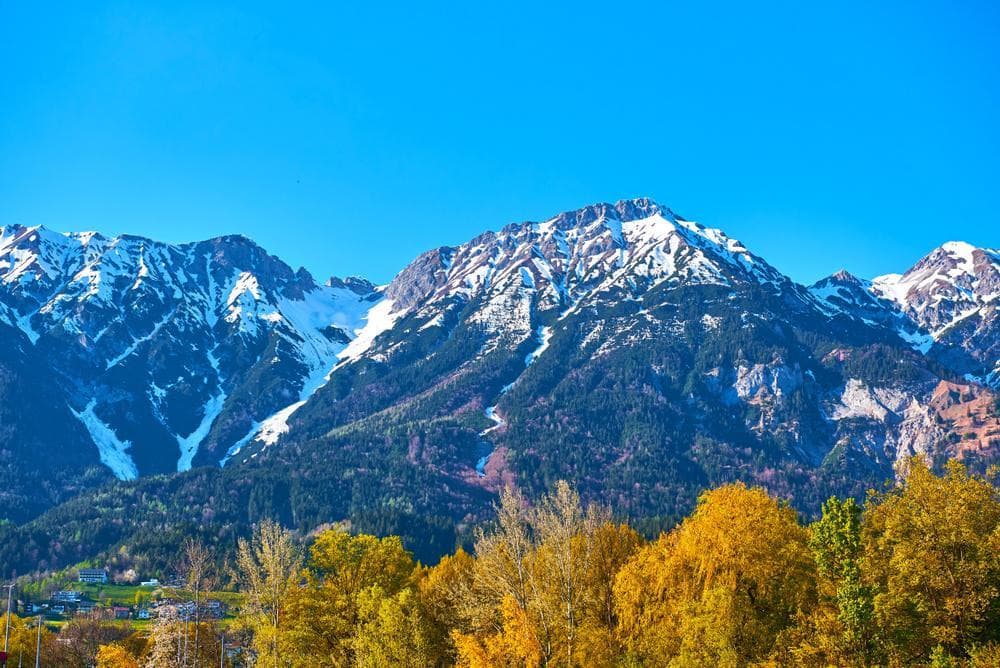
When the Nordkette lifts you from the city’s serrated rooftops, the city below unfolds like a map — the Inn River carving a bright ribbon through Innsbruck’s compact grid, the pastel facades shrinking into toy houses. The cable car rattles upward, and the air sharpens: a dry Alpine wind that smells of stone and crushed grass. At the top station, where the world opens to a hard, high sky, Hafelekarspitze sits like a watchful sentinel at 2,334 meters. From here the Karwendel range stretches in ragged teeth to the east; to the west, the Ötztal and Stubai Alps assemble into distant fists. It’s an exacting, immediate kind of beauty — no frills, just altitude and line-of-sight — and it demands a certain clarity from anyone who comes up to meet it.
Hafelekar’s appeal is partly practical: it’s one of the most accessible high-alpine summits in the region, made famously reachable by the Nordkette cable car and a short walk from the upper station. But the place keeps more than convenience on offer. Geologically, you’re standing on limestone sculpted by glaciers and millennia of freeze-thaw. The ridge is a textbook in verticality: steep couloirs buffet the face below, talus fields bruise the base of cliffs, and the winds have polished the rock into smooth, sometimes unexpectedly delicate forms. Culturally, Hafelekar has long been Innsbruck’s lookout — artists and poets came here for the light; climbers and naturalists for the exposed terrain and the wildlife it shelters. A small research outpost near the summit underscores the scientific interest in the peak’s weather and geology.
The most common excursion is low-effort in theory but high-reward in practice: take the series of cable cars from the city (Hungerburg, Seegrube) to the top and walk the final ridgeline to the summit. From Seegrube (roughly 1,905 m) the trail to Hafelekar is under 3 km and gains about 400–450 meters, depending on your line — most hikers do it in 45–90 minutes one-way. The path alternates between compact, rocky trail and exposed scree; sections of the Goetheweg ridgeline offer narrow walks with impressive drop-offs and a view corridor back toward Innsbruck that feels cinematic at first light. For mountaineers there are steeper routes and ridges that feed into the broader Karwendel massif. In winter, the same slopes become a playground for backcountry skiers and the Nordkette ski area that runs beneath the ridge.
Nature at Hafelekar has personality. Marmots whistle warnings from boulder gardens; chamois browse the sparse grasses on sun-warmed ledges, unbothered by the cable car’s hum. On clear days, raptors quarter the thermals; the sky seems to be testing you, offering wind and sun in alternation. Because the environment is both fragile and heavily visited, the hiking etiquette is straightforward: stay on the trail, pack out what you pack in, and keep a respectful distance from wildlife.
Practicalities matter here — the mountain’s beauty comes with altitude and exposure. If you plan to come up for sunrise, check cable car hours and book early: morning light across the Inn Valley is worth the early alarm, but the cable runs on a schedule that tightens outside high season. Weather can turn suddenly; afternoon thunderstorms are common in summer, and winter conditions require full alpine kit and experience.
Why go? The summit is the easiest, most dramatic high-altitude vantage point for a city-break traveler. In a single half-day you can move from a cozy café in Innsbruck to wind-washed crags with 360-degree visibility. Photographers love it for sharp light and dramatic scale; hikers and scrambling enthusiasts prize it for short, technical ridgelines and approachable alpine exposure. For families and casual hikers, the cable car and gentle trails around Seegrube let you taste the alpine without committing to long, technical climbs.
Logistics and a quick plan: leave a full water bottle and layered clothing in your daypack, wear sturdy shoes with good grip, and aim to hike out and back from Seegrube in the morning or late afternoon to avoid heat (and storm) peaks. If you’re chasing sunrise or sunset photos, plan for cold temperatures — it will feel much colder than Innsbruck. If you want a longer outing, link Hafelekar to neighboring ridgelines for full-day traverses into the Karwendel, but understand that those require map skills and a firm head for exposure.
Hafelekar is an immediate reminder that the Alps are as practical as they are dramatic — a place where careful planning unlocks breathtaking simplicity. Whether you’re there for a short, sharp summit walk, a photography run across a glacier-sculpted skyline, or a slice of alpine culture served with coffee and a view, the peak rewards those who show up prepared and curious. In return, it asks only for attention: to the weather, to the path, and to the small, brassy calls of marmots that punctuate the wind.
Trail wisdom
Small choices, better day.
Layer for alpine microclimates
Temperatures can drop quickly at 2,300 m — bring a windproof shell and an insulating mid-layer even in summer.
Use the cable car smartly
Buy return tickets ahead and aim for early morning departures to avoid crowds and afternoon storms.
Watch your footing on scree
Sections near the summit are loose and steep — pole use and shoes with grippy soles reduce slips.
Respect wildlife and habitats
Keep distance from marmots and chamois; stick to the trail to protect fragile alpine vegetation.
Local knowledge
Read the place, not just the route.
Watch for native species including marmot, chamois.
Keep an eye out for wildlife during the transition between areas and habitats. Respect distance guidelines.
Stick to established trails to protect fragile alpine flora; use the cable car to reduce car traffic in the valley and support local conservation initiatives.
Follow the guide's instructions on size limits, ethical handling, and leave-no-trace practices.
Seegrube terrace cafés for skyline views with fewer tourists. Short eastern ridge walks for quieter panoramas toward the Karwendel
Locally recommended viewpoints and quiet spots known best to local operators.
Hafelekar has been a vantage and research point for local naturalists and artists for more than a century; its accessibility via cable car made it a popular excursion from Innsbruck since the early 20th century.
Maritime roots and regional tradition shape the waterways and working coasts.
Seasonal guide
Four versions of the same landscape.
Spring
Best forearly blooms · less crowded trails
Challengeslate snow patches · unstable weather
Late spring brings snowmelt and alpine flowers; some routes may still be covered in snow and require caution.
Summer
Best forclear views · ridge walking
Challengesafternoon thunderstorms · high UV exposure
Summer offers the most stable conditions and longest days — start early to avoid afternoon storms and strong sun.
Fall
Best forcrisp visibility · autumn light
Challengescool nights · shorter daylight
Fall yields crisp air and excellent visibility; temperatures fall rapidly after sunset so dress warmly.
Winter
Best forski touring · snowy mountain scenery
Challengesavalanche risk · cold, icy terrain
Winter transforms the ridge into a technical environment for experienced winter mountaineers and skiers; avalanche training and gear are essential.
Pack with intention
What to bring.
Good to know
Common questions.
Take the Hungerburg funicular or bus to the Nordkette cable car, then ride up via Seegrube to the Hafelekar station; the cable car timetable varies seasonally.
Plan the edges
The details that make the day easier.
Hafelekarspitze sits at 2,334 meters above sea level and is the highest station of the Nordkette cable car, offering one of the most accessible high-alpine viewpoints above a European city.
Pair a Hafelekar visit with Tyrolean dishes back in Innsbruck: try a hearty Tiroler Gröstl or a sweet Kaiserschmarrn at a mountain hut to complete the alpine experience.
Use public transport and the Nordkette cable car to minimize car traffic; stay on marked trails to protect fragile alpine vegetation and reduce erosion.
Explore by topic
Follow the threads.
Keep exploring
Make the story part of the trip.
Set out from Bass Harbor for a private, customizable day on Blue Hill Bay — lighthouses, puffins, seals, and the chance to feel Acadia from the water. Small groups, local captains, unforgettable views.
In four hours you can move from shaded canyon ferns to wind-scoured coastal ridgelines, guided by someone who knows where the light—and the hidden views—live. This private half-day hike on the Monterey Peninsula or Big Sur is compact, curated, and perfect for travelers who want depth without a multiday commitment.
 Related story
Beneath a sky of shifting light, Skaftafell’s ice reads like a map of time. This three-hour guided glacier hike mixes technical instruction with geology and culture: compact, safe, and unforgettable.