
What the day feels like
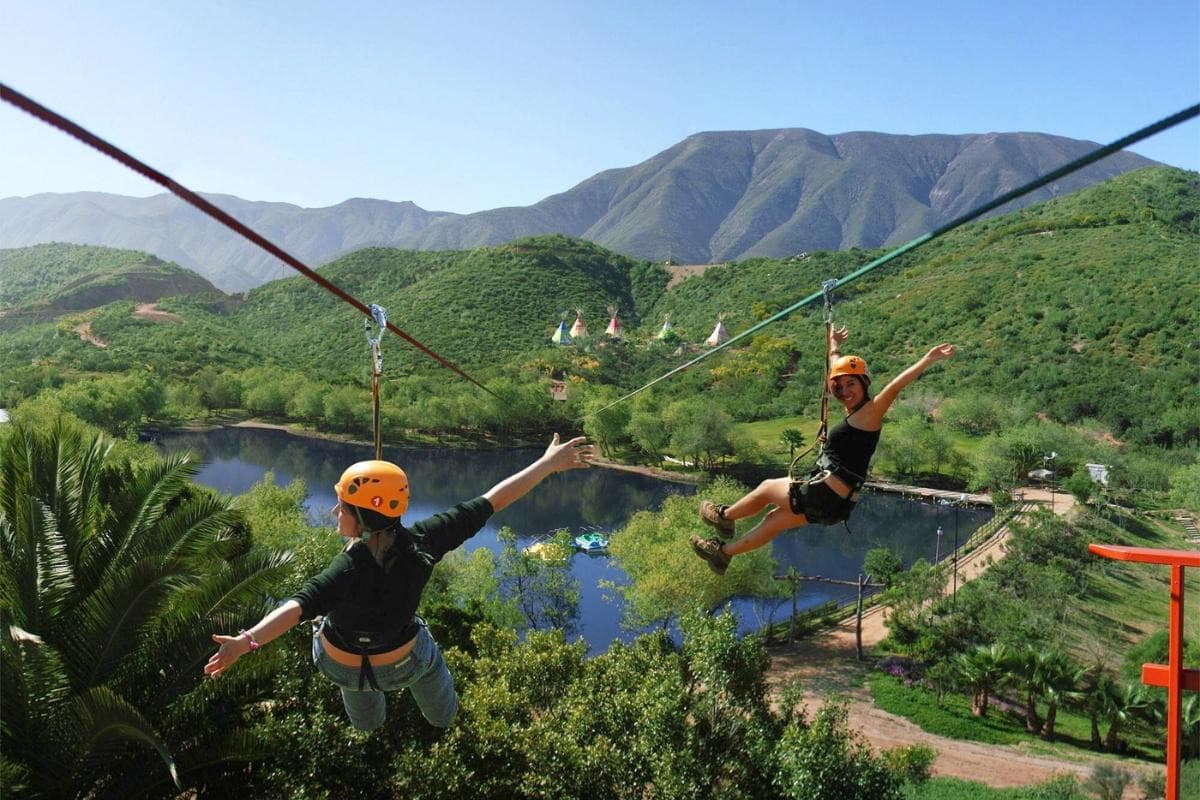
The air tastes like salt and dust. You climb a narrow wooden platform, secure a harness that smells faintly of sun and resin, and listen to the canyon answer: the wind through scrub, somewhere below the metallic rattle of an engine, and the distant whoosh of the Pacific smashing against rock. From this perch at Las Cañadas Campamento—twenty minutes inland from Ensenada’s shoulder of coastal fog—the ridge leans into a view that dares you to move faster. Five ziplines thread the bowl here, each one a line cut across valleys and a small lake, punctuated by five swaying suspension bridges that test your balance and appetite for altitude.
This is not a postcard strain of wilderness; it’s worked landscape and wild margin stitched together. Ranching families once drove goats and cattle through these gullies; today, guides stitch visitors into that daily rhythm, bringing adrenaline sports to old canyons with a practiced, local touch. The geology is straightforward and unapologetic: tilted marine terraces and volcanic outcrops from Baja’s restless tectonic seam form short, steep ridgelines that fall toward the sea. In spring these slopes wear chaparral and scrub in tight, aromatic clumps; in cooler months, coastal clouds hang low and make the sudden views—when they appear—all the sharper.
There’s a tidy practicalness to the adventures on offer: a canopy tour with five ziplines and five hanging bridges, a combined zipline-and-blowhole private trip that pairs the camp with La Bufadora’s thunder, an ATV hour through mountain tracks and sand dunes, and guided horseback rides that wind deeper into the oak-studded folds. Operators provide helmets, harnesses, and briefing; many tours include private, air-conditioned transport and small comforts—water, a soda, and the occasional stop at a roadside taquería that serves fresh, local flavors.
These activities suit this corner of Baja because the land itself is compact: a high-intensity three-to-five-hour set of climbs, runs, and vistas rather than a sprawling backcountry expedition. A canopy tour here is kinetic observational geology—the zipline pulls you laterally across strata you can’t walk quickly enough to see. ATV routes exploit the ridgelines and sandy washes, letting riders thread between mesquite and chaparral, while horseback rides are slow tools for listening: the clack of hooves, the scrub’s perfume, an occasional red-tailed hawk circling a thermal.
Practical details sharpen comfort into confidence. Most tours last 3–5 hours door-to-door from Ensenada, with the canopy and bridge circuit requiring modest climbing between platforms—expect a few hundred feet of cumulative vertical gain as you hop from one staging area to the next. Footing ranges from packed dirt to wooden platforms and the occasional slick rock; closed-toe shoes with good tread are mandatory. Operators set safety and weight limits and have insurance and permits; confirm those details at booking if you’re concerned about restrictions.
If you’re pairing the canopy with La Bufadora, plan the day around light. La Bufadora’s blowhole is loudest and most dramatic when swell conditions push from the south—on windy days you’ll feel spray on your face—and it’s busiest mid-afternoon. For photography and cooler temperatures, take the early slot: you’ll get calmer air for zips and a quieter visit to local seafood stands afterward.
Safety is plainspoken here. Hydrate before you go—Baja’s sun can sharpen rapidly even when temperatures feel moderate—apply a high-SPF nitrate-free sunscreen, and plan for microclimates with a lightweight windbreaker. If you ride ATVs, listen for the briefings; keep eyes on the track and expect sudden shifts from compacted trail to soft sand. For horseback, wear long pants to avoid chafing and let the guide choose a horse matched to your experience.
Culturally, this strip of coast is a meeting place: mission-era routes, ranching terraces, and contemporary tourist services interlock. Local guides often point out plants used in traditional remedies and small ranching homesteads that still tend a few head of cattle. The food near Ensenada honors the sea—fresh fish tacos and ceviche are reliable rewards after an active day—and the Valle de Guadalupe is close enough for an afternoon wine tasting if you want to extend the mood from wild ridgeline to vineyard patio.
Conservation matters are not abstract here. ATVs can scar fragile soils if ridden off-track; responsible operators keep machines to designated trails, and visitors should choose companies that emphasize leave-no-trace packing and local hiring. You’re not simply taking a thrill ride—you’re threading through a working landscape. Treat it as such.
For travelers: book in advance if you want a private tour (they fill on weekends), confirm weight and age limits directly with the operator, and time your transport to and from Ensenada to avoid rush-hour bottlenecks toward the city. Bring a lightweight pack, a reusable water bottle, and a camera with a wrist strap—zips are exhilarating but brief, and the best shots are often taken from platforms between runs.
At its best, Las Cañadas Campamento stitches speed and stillness together. You’ll spend minutes hurtling over scrub and water, and hours afterward remembering the particular gradient of wind when you rounded a ridgeline. The place rewards people who arrive curious and prepared: the risk is managed, the views are honest, and the food back in Ensenada tastes the better for being earned. If you want a day that moves fast and leaves room to listen to the land afterward, Las Cañadas is designed exactly for that kind of appetite.
Trail wisdom
Small choices, better day.
Shoes that grip
Wear sturdy, closed-toe shoes with good tread—platforms and trails can be dusty and uneven.
Hydrate early
Start drinking water before you arrive and carry a refillable bottle; organizers supply water but day sun and activity increase needs.
Book morning slots
Early departures mean cooler air for ziplines and quieter crowds at La Bufadora if you’re combining tours.
Respect ATV boundaries
Follow your guide’s route and avoid off-trail riding to protect fragile soils and native plants.
Local knowledge
Read the place, not just the route.
Watch for native species including mule deer, red-tailed hawk.
Keep an eye out for wildlife during the transition between areas and habitats. Respect distance guidelines.
Choose operators that restrict ATVs to designated tracks and practice leave-no-trace; supporting local guides helps maintain stewardship of trails and facilities.
Follow the guide's instructions on size limits, ethical handling, and leave-no-trace practices.
A quiet lakeside viewpoint above the zipline platforms that’s perfect for sunset photos. A short off-trail arroyo walk behind the camp where native shrubs and birdlife concentrate in spring
Locally recommended viewpoints and quiet spots known best to local operators.
This coastal fringe of Baja has long been used for ranching and transit between the sea and inland valleys; modern adventure tourism overlays those older land uses.
Maritime roots and regional tradition shape the waterways and working coasts.
Seasonal guide
Four versions of the same landscape.
Spring
Best forwildflower displays · stable weather · comfortable temperatures
Challengespollen and dusty trails · variable winds
Spring offers mild temperatures and the best visibility—expect fragrant chaparral and runnable conditions on ziplines and ATVs.
Summer
Best forlong daylight hours · combining with beach trips
Challengeshigher heat midday · occasional afternoon storms
Summer brings hotter days—plan early starts, sunscreen, and more water; afternoons can spike in temperature.
Fall
Best forclear skies · still water vistas · off-peak crowds
Challengescooler evenings · possible marine layer mornings
Fall is a sweet spot: pleasant daytime temps and crisp light for photography, with quieter trails after summer tourism.
Winter
Best forstorm-watching at La Bufadora · dramatic cloudscapes
Challengeswindy, wet days · colder temperatures
Winter can be dramatic and wet—good for blowhole viewing but bring windproof layers and expect intermittent closures in heavy weather.
Pack with intention
What to bring.
Good to know
Common questions.
Yes—guides provide a full safety briefing and assistance; the course is designed for people with no prior zipline experience.
Plan the edges
The details that make the day easier.
La Bufadora, on Punta Banda near Ensenada, is one of the largest marine blowholes in North America and can shoot seawater dozens of feet into the air under the right swell conditions.
After a jump or ride, reward yourself with Ensenada’s legendary fish tacos or a short drive to Valle de Guadalupe for a relaxed wine tasting—local guides can arrange culinary stops.
- Who
- Families and active travelers. When: 3–5 hour tours. Where: 20–40 minutes from central Ensenada. What to expect: five ziplines, suspension bridges, ATVs
Support operators that enforce trail boundaries for ATVs, hire local guides, and promote waste-free lunches to reduce impact on sensitive coastal chaparral.
Explore by topic
Follow the threads.
Keep exploring
Make the story part of the trip.
Set out from Bass Harbor for a private, customizable day on Blue Hill Bay — lighthouses, puffins, seals, and the chance to feel Acadia from the water. Small groups, local captains, unforgettable views.
In four hours you can move from shaded canyon ferns to wind-scoured coastal ridgelines, guided by someone who knows where the light—and the hidden views—live. This private half-day hike on the Monterey Peninsula or Big Sur is compact, curated, and perfect for travelers who want depth without a multiday commitment.
 Related story
Beneath a sky of shifting light, Skaftafell’s ice reads like a map of time. This three-hour guided glacier hike mixes technical instruction with geology and culture: compact, safe, and unforgettable.