
What the day feels like
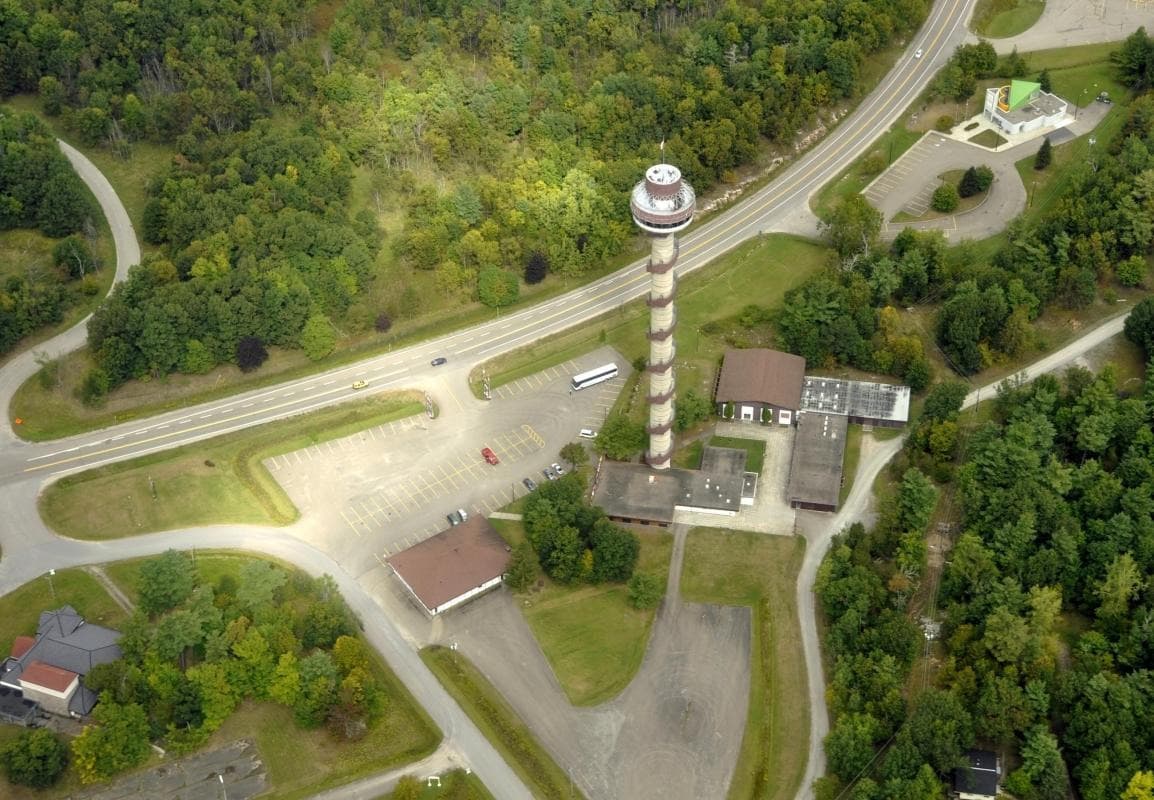
The elevator hums once, twice, then smooths out into silence as the tower sheds its steel ribs and the St. Lawrence River widens below. Glass and wind meet at the observation deck and you step out into a panorama that refuses single-word summaries: a braided ribbon of water threaded with tree-top islands, a scatter of cottages and lighthouses, the pause of ferries and the distant arc of bridges. From this perch, 1000 Islands Tower is less a structure than a way of seeing — one that compresses the region’s geology, history and slow summer rhythms into a readable map beneath your feet.
Perched near the eastern edges of Kingston’s travel orbit, the tower is the clearest elevator pitch for the Thousand Islands: hundreds of small, forested isles, interlocked channels and the occasional grand estate that formed as glaciers retreated and left behind a staccato shoreline. The tower’s observation platforms — reached by a short, accessible ascent — frame the river’s choreography and make the landscape legible: sandbars and deep channels, shoals that force the current into ribbons, and a scattering of human markers from Victorian boathouses to modern marinas.
The region’s story is layered. Geologically, the Thousand Islands are glacially carved remnants of the Canadian Shield and softer sedimentary beds; the islands’ mix of bedrock ledges and soil pockets created ideal shelter for early settlement and later for summer cottages. Culturally, the St. Lawrence corridor became a playground for Gilded Age millionaires and a strategic waterway for trade and politics; echoes of those eras appear in stone walls, small islands crowned by manicured lawns, and the occasional remnant lighthouse. Today, the area is a lived-in wilderness where nature and human use tango — anglers drop lines beside kayakers; ferry horns punctuate morning bird calls.
Why plan a trip around the tower? Because it gives you orientation — literal and practical. From the deck you can pick islands you want to visit by boat, choose a stretch of shore to hike, or spot likely fishing coves. A visit here is efficient: you get a full sense of scale in 20 minutes and a hit of exhilaration without the investment of a multi-hour trek. For many travelers it’s the primer to a larger Thousand Islands itinerary — pairing the tower with an afternoon boat cruise, a kayak circumnavigation of a calm island, or a picnic on Mallorytown Landing makes for a day that feels both purposeful and unhurried.
The experience itself is straightforward. The tower offers indoor viewing as well as an outdoor deck, which makes it a reliable choice in mixed weather. Plan to spend 30–60 minutes on-site if you’re only taking in the view and photos; add more time if you want to pair the visit with a picnic or a walk along the nearby shorelines. If you’re timing-sensitive, golden hour is magnetic here: late afternoon light softens the islands’ edges and improves depth and color for landscape photos. For families and travelers seeking accessibility, the elevator simplifies the summit; for photographers and serious naturalists, the highest vantage points reveal currents and birds in a way you can’t replicate from water level.
Practical guidance: the tower makes for an ideal half-day stop from Kingston (roughly a 30–45 minute drive). Combine it with local boat operators for island tours — many launch from adjacent marinas and offer hour- and half-day options — or plan a kayak trip to explore sheltered inlets. In active months, insect repellent and layered clothing are small but essential additions; summer sun off the river can be unexpectedly strong, and mornings remain cool into early fall.
A few local notes that shape the visit: the Thousand Islands have a patchwork of public and private land, so respect private docks and signage. Keep an eye on weather and water conditions if you go boating; currents can change quickly in narrows. And because the islands’ ecological health matters, take care to clean boats and gear to reduce the spread of invasive species.
For travelers, the tower is a high-value waypoint: low effort, immediate reward, and the kind of place that helps you choose the rest of your day. It’s also an exceptional teachable moment — where a single vantage point teaches you to read waterways, pick anchorages, and appreciate the thin line between human leisure and geological time.
If you go: aim for a morning ascent and an afternoon boat ride, or the reverse if you prefer the sun low and soft. Bring binoculars if you like birding, a polarizing filter for your camera to cut glare off the water, and a lightweight jacket for the deck. Respect private islands and pack out what you bring in — part of the region’s appeal is how well-loved and relatively well-preserved it remains. Whether you’re a casual traveler wanting a memorable view, a photographer after a new frame for your portfolio, or a planner mapping out island-hopping days, the 1000 Islands Tower is one of those rare travel investments that returns usefulness and a little wonder in equal measure.
Trail wisdom
Small choices, better day.
Go early or late for light
Golden hour softens the islands’ edges and improves photo depth; midsummer midday can be harsh and reflective off the water.
Bring binoculars
The tower reveals distant bird nests and shoreline details—binoculars turn vague shapes into eagles, osprey and boathouses.
Combine with a boat trip
Use the panoramic view to pick islands to visit by kayak or cruise and time your water trip for calm afternoon hours.
Respect private islands
Many islands are privately owned; stick to marked public access points and local docks.
Local knowledge
Read the place, not just the route.
Watch for native species including bald eagle, beaver.
Keep an eye out for wildlife during the transition between areas and habitats. Respect distance guidelines.
Boat cleaning and proper disposal of bait and fishing lines help prevent invasive species spread; local groups monitor water quality and promote low-impact recreation.
Follow the guide's instructions on size limits, ethical handling, and leave-no-trace practices.
Mallorytown Landing Conservation Area — a quiet shoreline good for walks and picnics. Hill Island shoreline spots — peaceful vantage points for sunrise and birdwatching
Locally recommended viewpoints and quiet spots known best to local operators.
The Thousand Islands region became a favored summer retreat in the late 19th and early 20th centuries, leaving a legacy of private isles, boathouses and historic lighthouses visible from the tower.
Maritime roots and regional tradition shape the waterways and working coasts.
Seasonal guide
Four versions of the same landscape.
Spring
Best formigration birdwatching · early-season boat launches · low-season views
Challengescool winds · late snow or muddy access points · variable ferry schedules
Spring brings migrating raptors and quieter docks; pack layers and expect brisk mornings.
Summer
Best forfull island-hopping · family-friendly visits · warm photogenic light
Challengesbugs in shorelines · peak crowds · strong midday sun
Summer is peak season for boating and swimming — go early to beat heat and crowds, and use sun protection.
Fall
Best forfall foliage · calmer water · clearer visibility
Challengescooler water temperatures · shorter daylight · reduced boat schedules
Autumn offers crisp air and fiery leaves; afternoon light on red and gold foliage is spectacular.
Winter
Best forlandscape solitude · ice-affected vistas · off-season photography
Challengeslimited access · cold wind on the deck · closed services
Winter views are stark and quiet; check open hours and expect closure of many nearby services.
Pack with intention
What to bring.
Good to know
Common questions.
Most visitors spend 30–60 minutes at the tower; add extra time if pairing the visit with a boat cruise, picnic, or shoreline walk.
Plan the edges
The details that make the day easier.
The Thousand Islands region contains more than 1,800 islands — far more than the 'thousand' in the name — a fact noted by geographers and local guides.
The region blends cottage-country culture with fresh-water cuisine — expect lake trout or pickerel on local menus, roadside pie stands, and a relaxed, nautical community vibe.
- Know-before-you-go
- short elevator ride to panoramic decks, accessible facilities, combine with local island cruises; bring sun protection and insect repellent in summer.
Choose licensed boat operators, follow 'clean, drain, dry' boat protocols to limit invasive species, and avoid landing on private islands to protect fragile shorelines.
Explore by topic
Follow the threads.
Keep exploring
Make the story part of the trip.
Set out from Bass Harbor for a private, customizable day on Blue Hill Bay — lighthouses, puffins, seals, and the chance to feel Acadia from the water. Small groups, local captains, unforgettable views.
In four hours you can move from shaded canyon ferns to wind-scoured coastal ridgelines, guided by someone who knows where the light—and the hidden views—live. This private half-day hike on the Monterey Peninsula or Big Sur is compact, curated, and perfect for travelers who want depth without a multiday commitment.
 Related story
Beneath a sky of shifting light, Skaftafell’s ice reads like a map of time. This three-hour guided glacier hike mixes technical instruction with geology and culture: compact, safe, and unforgettable.