
What the day feels like
The ferry crosses the brittle blue between Lanzarote and its small sibling with the punctuality of a tide: 25 minutes of salt-lashed air and an obliging sweep of seabirds before the hull nosed into Caleta de Sebo and the island opened like a folded map. On La Graciosa, roads are suggestions — sandy tracks bruise tyres but reward the curious — and the village, a cluster of whitewashed houses with blue shutters, feels as if the Atlantic has been allowed to dictate the pace. You step off the ferry and the ocean does the rest: a current of conversation in Spanish and German, the scrape of bike chains, the hum of a single generator, and the scent of frying fish carried from the portside restaurants.
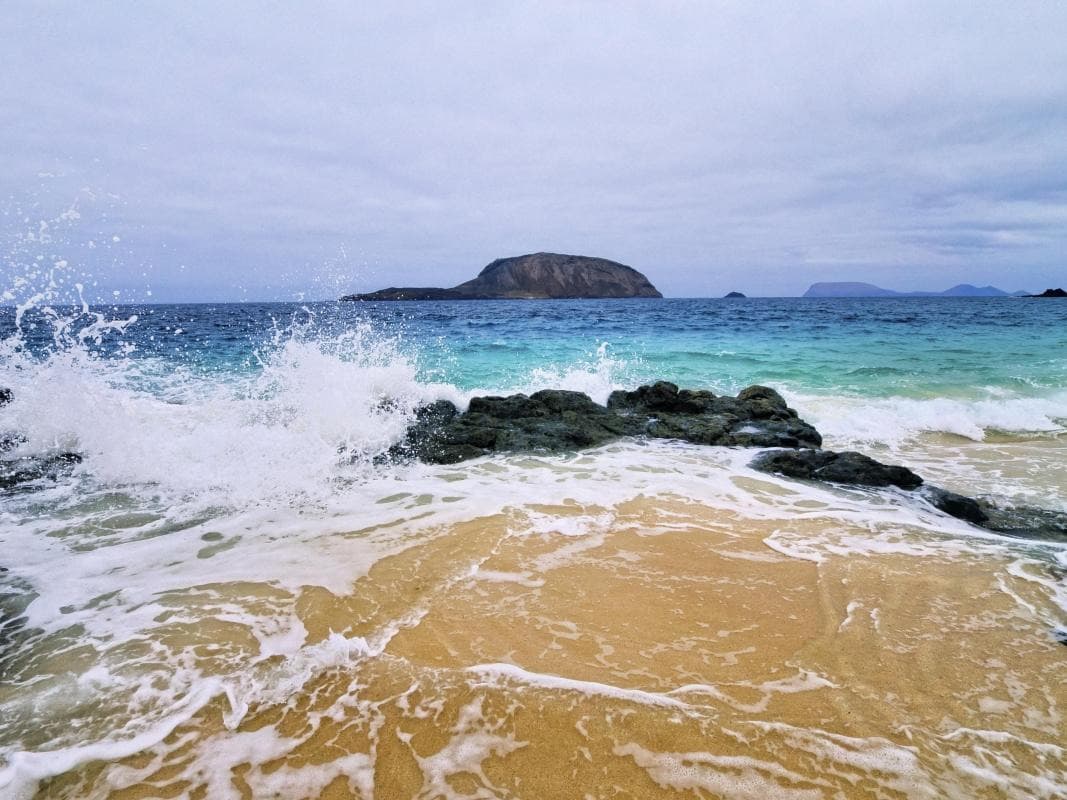
This is an island built from restraint. La Graciosa is part of the Chinijo Archipelago Natural Park, a protected ribbon of islets north of Lanzarote that protects seabird colonies and underwater meadows of seagrass. It has fewer than a thousand year-round residents; cars are essentially banned; and the landscape keeps returning you to two elements — wind and stone. Volcanic ridges lace the western shore and the beaches are often flanked by dunes that the wind sculpts daily. The northwestern crescent of Playa de las Conchas, visible as a pale smile from Mirador del Rio on Lanzarote, is the island’s postcard: a stretch of sand that rewards an uphill, sandy walk with isolation and clear water.
Geology here reads like a field guide to oceanic processes. The island is the topmost expression of submarine volcanism and old lava flows exposed to wind and sea. Basalt and ash give way to golden sands, and where lava hardened into cliffs you can watch the Atlantic daring you to explore further — coves that confine swell, channels that funnel waves, and hidden reefs alive with fish. Culturally, La Graciosa has always been a fishing community. Caleta de Sebo’s rhythm is anchored to nets and dinghies; cross the main lane and you’ll find fishermen mending lines or restaurants serving grill-fired cherne (wreckfish) and fresh octopus with papas arrugadas.
The practical reality of getting here is refreshingly straightforward. Ferries run from Órzola on Lanzarote and take roughly 25 minutes. Viator products that streamline the trip make it easy: “La Graciosa at your leisure (bus transfer and return ferry ticket)” bundles a bus shuttle from resort corridors to Órzola and the return ferry, while the “Delights of Northern Lanzarote” option pairs time on La Graciosa with a curated northern circuit of Lanzarote’s highlights — LagOmar’s cave-sculpted architecture and the Mirador del Rio among them — plus a freshly prepared lunch served on arrival.
Once you’re on shore there are a few routes that suit different appetites. The most popular is a dirt-track ride or walk west to Playa de las Conchas — allow 45–90 minutes one-way depending on pace and sand. The trail is sandy and undulating but never steep; elevation gains are modest, generally under 100 meters, and the hard parts are the stretches of shifting sand. For a shorter option, ride south along the eastern shore to the sheltered Playa La Francesa for swimming and snorkeling in water that can feel as clear as a pool. Bring a mask: the underwater visibility is exceptional and the marine life — parrotfish, small rays, and the occasional loggerhead turtle — rewards simple snorkeling.
If solitude is your aim, aim for a late-afternoon return ferry; the midday boats are busiest. Bring cash: Caleta de Sebo has ATMs but they can be unreliable and many small vendors are cash-preferred. Bike rentals are common at the dock; a fat-tyre e-bike will make the 10–20 km of island exploration easier, but a rigid mountain bike will do fine too. Pack sun protection: wind on La Graciosa is often constant and the sun is honest.
There’s a tidy feedback loop between conservation and visitation here. The Chinijo Archipelago protects seabird colonies and marine habitats: anchoring on seagrass meadows is prohibited and many bays are monitored. The island’s official status shifted in recent years — Spain formally recognized La Graciosa as the eighth inhabited island of the Canaries in 2018 — and that legal recognition helped reinforce protections and infrastructure that preserve the quiet you came for.
Practical tips make the trip cleaner and more satisfying. Start early or after lunch to avoid peak crowds. Wear closed-toe sandals or lightweight hiking shoes for sand and rocky stretches. Hydrate: water points exist but bring a refillable bottle — the island’s small shops sell water, but prices climb in season. Respect the protected areas: stick to tracks and don’t collect shells or disturb nesting birds.
For photographers and those who travel with a notebook, La Graciosa is a study in contrast: muted village colors punctuated by cobalt sea, wind-scoured ridgelines, and golden beaches. Golden hour elongates shadows across sand ripples; midday gives you saturated blues but harsher shadows. Above all, let the island’s quietness shape how you move. This isn’t a place for a rigid itinerary. Instead, accept a day that lets you be driven by tide and weather, a place where getting lost is the point and the Atlantic concedes only as much as it wants.
If you need a neat itinerary: take the morning ferry from Órzola, ride or walk to Playa de las Conchas (bring water and snacks), return via the eastern shore for snorkeling at Playa La Francesa, eat grilled fish at a harbor restaurant in Caleta de Sebo, and board the late ferry back to Lanzarote. Or book a guided “Delights of Northern Lanzarote” trip and let a local guide stitch La Graciosa together with Mirador del Rio and LagOmar — it’s a compact way to taste both islands’ geology and culture in one day.
La Graciosa rewards a particular kind of traveler: one who likes sand in their shoes, who finds company at the ferry dock more interesting than nightlife, and who measures success in quiet coves rather than checklists. It’s an island that insists you slow down, and in return it offers clarity — of water, sky, and pace — that lingers long after the ferry returns you to Lanzarote’s volcanic outline.
Trail wisdom
Small choices, better day.
Bring cash for Caleta de Sebo
ATMs are limited and some cafes and rental shops prefer cash — carry small bills for bike rentals and tide-side snacks.
Prepare for wind and sun
Layer lightweight clothes and use reef-safe sunscreen; the wind can be strong and the sun intense even in shoulder seasons.
Choose the right bike
Rent a fat-tyre or e-bike for sandy tracks to avoid getting stranded on loose sand; a basic mountain bike works for fitter riders.
Respect protected areas
Stick to marked tracks and avoid anchoring or walking on seagrass beds; many bays fall within the Chinijo Archipelago Natural Park.
Local knowledge
Read the place, not just the route.
Watch for native species including dolphins and occasional loggerhead turtles offshore, seabird colonies such as shearwaters and gulls.
Keep an eye out for wildlife during the transition between areas and habitats. Respect distance guidelines.
The island is part of the Chinijo Archipelago Natural Park; protect habitats by avoiding seagrass meadows, using reef-safe sunscreen, and following local guidelines.
Follow the guide's instructions on size limits, ethical handling, and leave-no-trace practices.
Playa La Francesa’s sheltered snorkeling coves just south of Caleta de Sebo. Small salt pans and tidal pools on the island’s eastern shore, prime for short low-tide exploration
Locally recommended viewpoints and quiet spots known best to local operators.
La Graciosa has long been a fishing outpost for Lanzarote; its recognition as an inhabited Canary Island in 2018 formalized its distinct status and helped strengthen protections.
Maritime roots and regional tradition shape the waterways and working coasts.
Seasonal guide
Four versions of the same landscape.
Spring
Best formild hiking · birdwatching · early-season snorkeling
Challengeswindy days · cooler water temperatures
Spring brings milder temperatures and fewer crowds — good for walks and watching seabirds, but the Atlantic can still be brisk for swimming.
Summer
Best forswimming · snorkeling · full-day excursions
Challengeshigh sun exposure · busier ferries
Summer is peak season: warm water and long days make beach time ideal, but plan for crowds and book ferry/bus transfer in advance.
Fall
Best forwarm seas · fewer tourists · clear light for photography
Challengesoccasional storms · variable winds
Early fall often gives the warmest sea temperatures and a quieter island; late fall can bring occasional Atlantic storms.
Winter
Best forquiet island walks · birding · short breaks
Challengescooler temps · rougher seas
Winter is quiet and atmospheric; ferries still run but swimming is less reliable and winds can be stronger.
Pack with intention
What to bring.
Good to know
Common questions.
The ferry crossing takes about 25 minutes; schedules vary seasonally, so check return times and plan to arrive early for boarding.
Plan the edges
The details that make the day easier.
In 2018 Spain formally recognized La Graciosa as the eighth inhabited Canary Island; it is also part of the protected Chinijo Archipelago Natural Park.
Meals are anchored in local catch: simple grilled fish, small tapas bars in Caleta de Sebo, and a relaxed island hospitality that values conversation over speed. No cars means more room for bikes, foot-traffic and the occasional impromptu beachside paella.
- Ferry
- Órzola ↔ La Graciosa (~25 min). Nearest base: Órzola
- Haría. Cash recommended. Bike rentals available. No cars on the island. Typical day trip
- 4–8 hours.
Respect the Chinijo Park rules: avoid trampling vegetation and seagrass, use reef-safe sunscreen, support local vendors, and leave no trace to help keep the island wild.
Explore by topic
Follow the threads.
Keep exploring
Make the story part of the trip.
Set out from Bass Harbor for a private, customizable day on Blue Hill Bay — lighthouses, puffins, seals, and the chance to feel Acadia from the water. Small groups, local captains, unforgettable views.
In four hours you can move from shaded canyon ferns to wind-scoured coastal ridgelines, guided by someone who knows where the light—and the hidden views—live. This private half-day hike on the Monterey Peninsula or Big Sur is compact, curated, and perfect for travelers who want depth without a multiday commitment.
 Related story
Beneath a sky of shifting light, Skaftafell’s ice reads like a map of time. This three-hour guided glacier hike mixes technical instruction with geology and culture: compact, safe, and unforgettable.