
What the day feels like
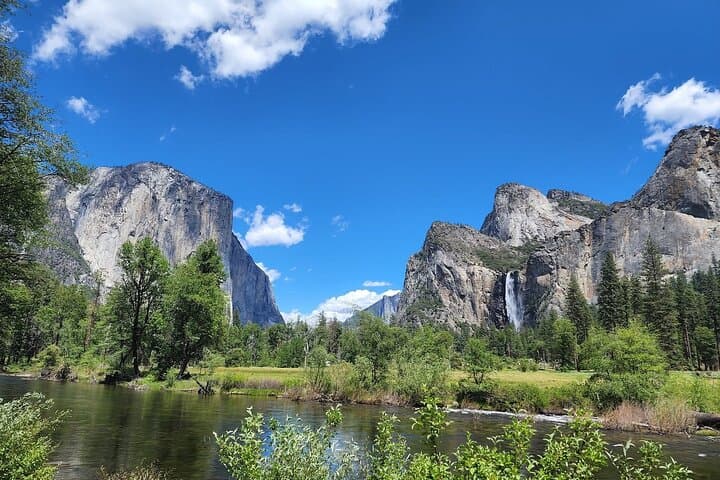
The road eases and then drops into a cathedral carved of stone. Pine-scented air tightens, and the valley opens—Half Dome rising like a patient sentinel, waterfalls announcing themselves in white ribbons, and the Merced River daring you to follow its reflections. On a clear morning the light chisels the granite, and every viewpoint feels like an answer to a question you didn’t know you were asking.
This is what a single day in Yosemite can deliver when someone else handles the wheel and the logistics. The Yosemite Highlights Small Group Tour is less about covering ground and more about choosing the moments that matter: Glacier Point’s panoramic hush, the intimate scale of Cook’s Meadow at sunrise, and the close-up drama of Yosemite Falls. A seasoned driver-guide chooses the route, times the stops for soft light and smaller crowds, and folds in stories—geology, indigenous history, and park folklore—so the landscape feels connected rather than merely scenic. Book this full-day guided trip to Yosemite Valley and Glacier Point if you want a condensed but meaningful primer on the park’s best features without spending days learning its angles (reserve via this Yosemite Highlights Small Group Tour link).
Geologically, Yosemite reads like a textbook on glaciation and granite. Gigantic slabs of light rock—plugs of magma that cooled slowly underground—were exposed as rivers and glaciers stripped away softer cover. The last ice age deepened the valley into the U-shape you see today; meltwater and seasonal storms still animate its waterfalls. Culturally, this place is layered: the Ahwahnechee people lived with the valley’s rhythms long before Euro-American visitors arrived, and the 1864 Yosemite Grant—signed by Abraham Lincoln—was one of the nation’s first formal acts to protect scenic public land, a precursor to the national park movement.
What a guided highlights day gives you is context. On the drive up to Glacier Point you’ll hear why that sweeping outlook frames both Half Dome and the High Sierra like a stage; at Valley viewpoints, guides point out subtle signs of past glacial flows and where native plants favor the lee of a boulder. The small-group format means dialogues replace megaphone monologues: questions about photography, seasonal access, and easier vantage routes get answered in real time.
Practicalities matter here. The tour runs roughly nine hours and includes lunch, snacks, and water—one less logistic to think about. Glacier Point Road is seasonal (typically open late spring through fall), so timing matters: late spring brings towering waterfalls on full roar; summer promises long days and clear vistas; autumn tightens the light and cools crowds; winter closes some roads but gilds the valley in snow. Because the itinerary is subject to weather, a flexible attitude and layers are your best companions.
For photographers and day-hikers, the value is efficient access. You’ll get out for short walks at key spots—the Valley floor, Tunnel View, Glacier Point—and return to the vehicle before heat or crowds build. On busy summer weekends, the shuttle and strategic guidance from a small-group operator can transform a crowded destination into a series of brief, manageable experiences.
Safety and sustainability are quietly part of the package. Guides emphasize staying on trails, keeping distance from wildlife, and leaving no trace. When a black bear shows up in a meadow, the right guidance—how to store food, how to behave, and when to move on—matters. The park’s systems depend on visitors who respect both the fragile alpine ecology and the park’s operational limits.
Why go with a guided highlights tour rather than DIYing it? Time, context, and ease. If you have one day or one sunrise to capture Yosemite, a knowledgeable driver-guide smooths the route, optimizes photo timing, and reduces the stress of navigating parking and seasonal closures. For families or less-experienced visitors, it turns a vast park into an intelligible sequence of memorable moments.
What to expect: arrive prepared for variable weather, a moderate amount of walking on paved and dirt surfaces, and repeated “wow” moments. If photography is a priority, plan to bring a mid-range zoom and a wide-angle lens; a lightweight tripod helps for low-light shots at sunrise or sunset. Book early during high season—small-group tours sell out quickly—and flag any mobility concerns when you reserve because stops include short walks with some uneven ground.
Finally, let the day be both observational and reflective. Yosemite rewards presence: listen for the river’s chatter, feel the granite’s cool when you lean a palm against it, watch the light slide down on Half Dome as if the rock itself were breathing. If you prefer not to plan every turn, reserve your place on this curated route and let local expertise guide you through the park’s best acts (reserve a seat on the Yosemite Highlights Small Group Tour here).
Trail wisdom
Small choices, better day.
Time the light
Ask your guide to prioritize Glacier Point at sunrise or late afternoon for the best soft light and fewer people.
Hydrate and snack smart
Even on short walks, bring a refillable water bottle; the tour provides water but having your own avoids lines and waste.
Layer up for microclimates
Valley mornings can be cool, Glacier Point windy, and midday sun intense—pack layers you can shed or add quickly.
Protect your camera
Carry a small, padded camera bag and a microfiber cloth to wipe water spray from waterfalls or fog at Glacier Point.
Local knowledge
Read the place, not just the route.
Watch for native species including Black bear, Mule deer.
Keep an eye out for wildlife during the transition between areas and habitats. Respect distance guidelines.
Stay on designated trails, pack out all waste, and store food in bear-safe lockers when provided—these practices protect wildlife and fragile alpine ecosystems.
Follow the guide's instructions on size limits, ethical handling, and leave-no-trace practices.
Sentinel Dome and Taft Point (less crowded than Tunnel View). Cook’s Meadow at sunrise for close-up reflections and birdlife
Locally recommended viewpoints and quiet spots known best to local operators.
Yosemite’s protection began with the 1864 Yosemite Grant signed by Abraham Lincoln, an early model for public land conservation in the U.S.
Maritime roots and regional tradition shape the waterways and working coasts.
Seasonal guide
Four versions of the same landscape.
Spring
Best forThundering waterfalls · Wildflower displays · Fewer crowds
ChallengesSnow on high roads · Variable weather
Spring brings dramatic waterfalls and blooming meadows; Glacier Point Road often opens late spring, so check access before booking.
Summer
Best forStable skies · Full access to viewpoints · Long daylight hours
ChallengesCrowds and limited parking · Hot valley temps midday
Summer delivers reliable road access and clear views but higher visitation—small-group logistics help beat parking headaches.
Fall
Best forCrisp light for photography · Cooler hiking conditions · Quieter trails after Labor Day
ChallengesShortening days · Possible early snow at higher elevations
Autumn sharpens the light and thins crowds; expect cooler mornings and plan around shorter daylight windows.
Winter
Best forSnow-clad scenery · Serene, quiet vistas
ChallengesClosed roads and limited access · Icy conditions
Winter turns Yosemite into a snowy landscape; many roads close seasonally—confirm Glacier Point access and consider a winter-focused itinerary.
Operator details
What the booking data adds.
Included
- ✓Chips, fresh whole fruit, water, and choice of sandwich: Turkey & Provolone, Roast Beef & Cheddar, Ham & Swiss, Veggie, American Cheese, PB&J. Condiments are on the side.
- ✓Vehicles with comfortable seats and large picture windows that are impeccably maintained and clean.
- ✓Pickup in Coarsegold, Bass Lake, Oakhurst and Fish Camp.
- ✓All Fees and Taxes
- ✓Air-conditioned vehicle
Not included
- —Gratuities are not included.
- —We ONLY pickup in Coarsegold, Bass Lake, Oakhurst and Fish Camp. Check your distance BEFORE booking.
- —NO pickup in Yosemite Natl Park, El Portal, Groveland, San Francisco, Fresno, Mammoth on this tour.
- —We require the equivalent of 4 adults for a tour to run
- —No pets allowed
- —Itinerary is subject to change due to weather or other conditions beyond our control.
- —All Fees and Taxes
Good to know
- ✓Service animals allowed
- ✓Suitable for all physical fitness levels
- ✓Please Note: National Park fees may apply for international visitors. If applicable, this fee is collected in-destination and not at the time of booking.
- ✓Not recommended for individuals sensitive to high elevations.
- ✓~~Please note--Seniors must be able to walk up the steps of the bus without assistance from the guide. We can accommodate compact folding walkers and compact folding wheelchairs, but we must know in advance.
Pack with intention
What to bring.
Good to know
Common questions.
The tour is about nine hours and includes a driver-guide, transportation between viewpoints, lunch, snacks, and water; exact itinerary can vary by season and conditions.
Plan the edges
The details that make the day easier.
In 1864 President Abraham Lincoln signed the Yosemite Grant, setting aside Yosemite Valley and the Mariposa Grove for public use and preservation—an early milestone in American conservation.
After the day’s viewpoints, head to Yosemite Valley Village for casual bites at Degnan’s Kitchen or reserve a table at The Ahwahnee Dining Room for a historic, sit-down meal; nearby Mariposa and Oakhurst offer brewpubs and bakeries for a post-hike beer or pie.
- Closest major airport
- Fresno Yosemite International (FAT) ~1.5–2 hours by car; Driving from Mariposa ~1 hour to Yosemite Valley; Cell service: intermittent—expect limited reception; Permits
- fees
- National Park entrance fee required; Glacier Point Road seasonal—check closures before booking.
This tour relies on responsible visitation: pack out what you bring, respect wildlife distances, and follow Leave No Trace principles—these small actions help protect Yosemite’s ecosystems for future visitors.
Explore by topic
Follow the threads.
Keep exploring
Make the story part of the trip.
Set out from Bass Harbor for a private, customizable day on Blue Hill Bay — lighthouses, puffins, seals, and the chance to feel Acadia from the water. Small groups, local captains, unforgettable views.
In four hours you can move from shaded canyon ferns to wind-scoured coastal ridgelines, guided by someone who knows where the light—and the hidden views—live. This private half-day hike on the Monterey Peninsula or Big Sur is compact, curated, and perfect for travelers who want depth without a multiday commitment.
 Related story
Beneath a sky of shifting light, Skaftafell’s ice reads like a map of time. This three-hour guided glacier hike mixes technical instruction with geology and culture: compact, safe, and unforgettable.