About this landmark
Galápagos Islands: Ecuador’s Unique Wildlife Sanctuary
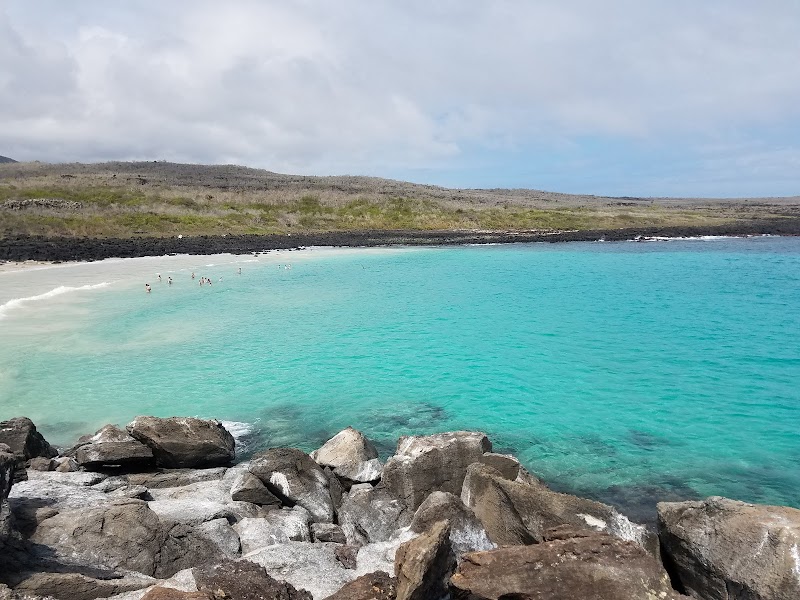
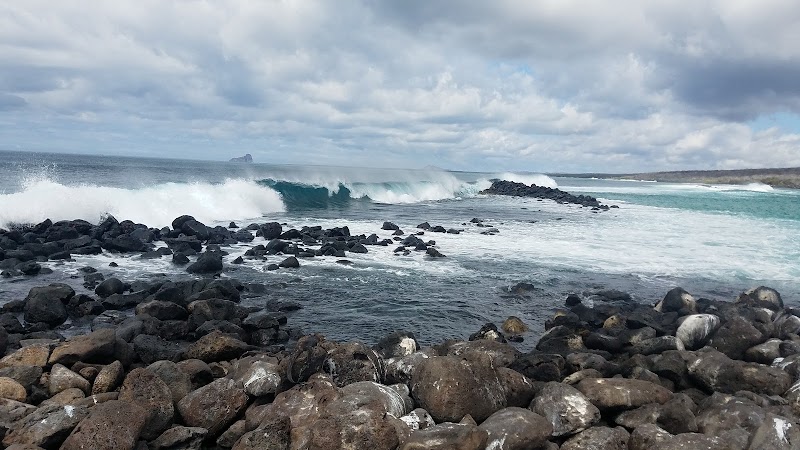
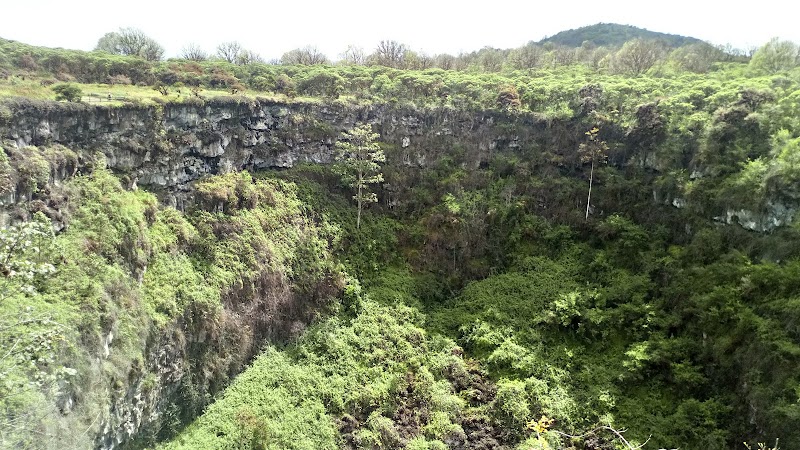
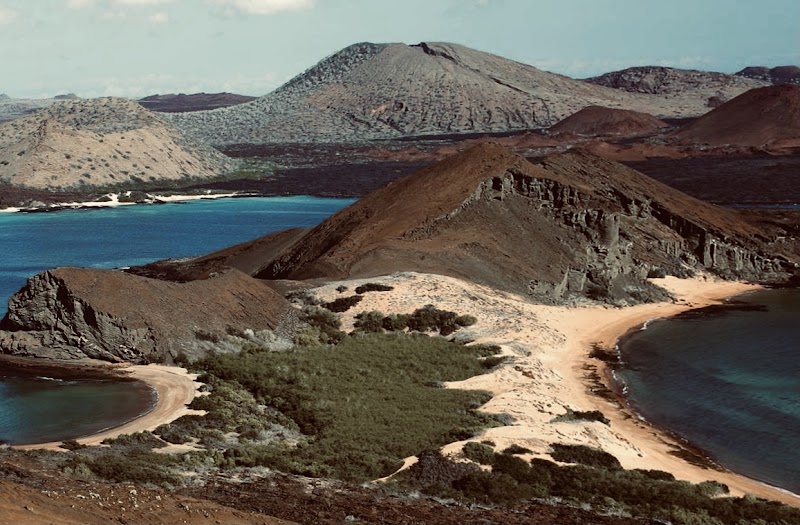
The Galápagos Islands, located off Ecuador’s coast, stand as one of the most remarkable natural sites worldwide. This volcanic archipelago is famous for an extraordinary array of wildlife and geological features found nowhere else on Earth. Known for shaping Charles Darwin’s groundbreaking ideas on evolution, the islands remain a key location for biologists and travelers alike. The dramatic volcanic rocks rise sharply from the ocean, creating diverse terrain from black lava fields to white sandy beaches, supporting a remarkable collection of animals that live both on land and underwater.
Among its key features are the famous giant tortoises, whose slow-moving forms have become emblematic of the islands; marine iguanas, unique lizards adapted to life in the sea; and the vividly colorful blue-footed boobies, whose bright feet contrast strikingly with the volcanic backdrop. Visitors also encounter Galápagos sea lions lounging on rocky shores and the rare Galápagos penguin, one of the few penguin species found north of the equator. The islands’ volcanic activity continues today with lava flows gradually creating new landmass, showcasing a living geological process.
Declared a UNESCO World Heritage Site in 1978, the Galápagos are carefully protected to preserve their natural wonders. Visitors find minimal human impact here, allowing wildlife to behave naturally and thrive. Strict regulations control visitor numbers, ensuring these ecosystems stay intact for future generations. This remote, fascinating destination offers a rare chance to witness wildlife and landscapes that are both resilient and delicate, set against an extraordinary oceanic environment.
Adventure Guide To Galápagos Islands
Bartolomé Island
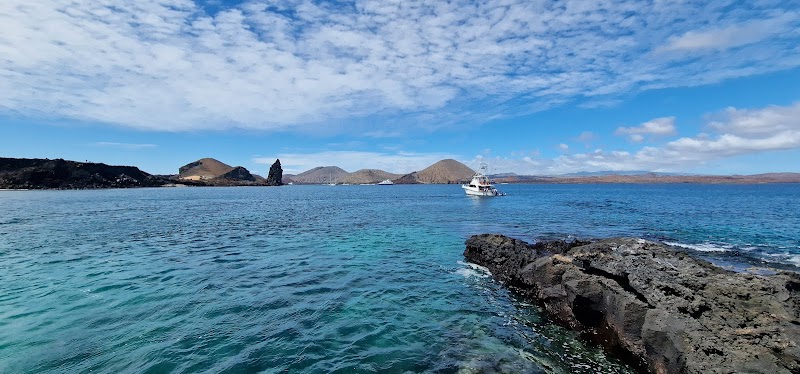
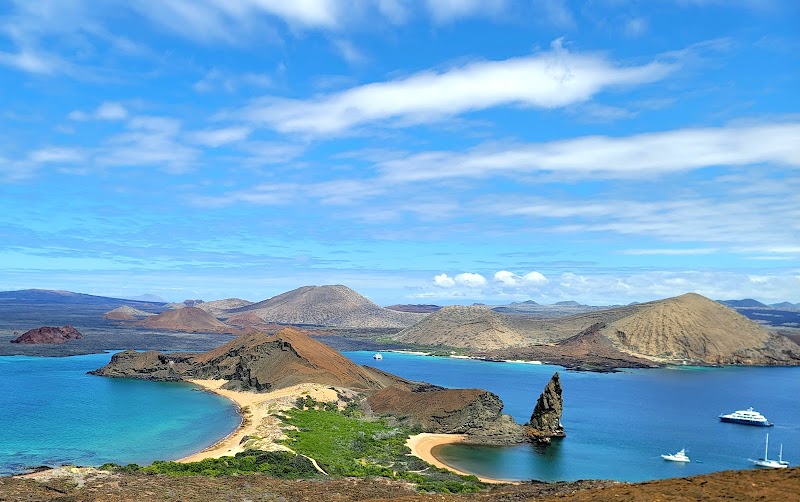
- What makes it special: Home to the iconic Pinnacle Rock, Bartolomé offers breathtaking panoramic views and opportunities to see Galápagos penguins along its rocky shoreline.
- Amenities: Well-maintained trails and snorkeling spots.
- Local Insight: The island is named after a historic figure connected to early exploration.
- Tips: Best visited April-May or December-January. Bring sturdy shoes, snorkeling gear, and sunscreen.
Highland Tortoise Reserve
- What makes it special: Watch giant tortoises roam freely in their native habitat amid cooler highland environments.
- Amenities: Guided trails and visitor centers for education on conservation efforts.
- Local Insight: This reserve is critical to protecting one of the world’s largest and longest-living reptile species.
- Tips: Morning visits are cooler and quieter. Carry comfortable footwear and a camera.
Tortuga Bay
- What makes it special: A pristine white sandy beach perfect for swimming, observing marine iguanas, and enjoying tranquil surroundings.
- Amenities: Easy access trails and picnic areas nearby.
- Local Insight: Named for the sea turtles that come to nest here, maintaining a delicate balance of coastal life.
- Tips: Visit around noon for pleasant conditions. Bring swimsuits, towels, and plenty of water.
Getting There
- Flights operate daily from Quito or Guayaquil (approximately 2-hour flight). Boats connect the main islands but sea conditions can be rough—sea sickness pills are recommended.
Plan your visit carefully to respect this precious habitat and enjoy one of nature’s most astounding settings.
Visitor Tips
- Best Times:April to May and December to January for favorable conditions and optimal lighting.
- What to Bring:Plenty of water, sun protection, a camera, and respectful Leave-No-Trace mindset.