THE ADVENTURE COLLECTIVE® · Independent discovery and booking for outdoor travel

Meet Galápagos giant tortoises on the Santa Cruz highlands and explore ancient lava tunnels on a three-hour guided walk. This tour combines close wildlife encounters with hands-on geology and practical guidance for safely navigating lava tubes.
Meet Galápagos giant tortoises on the Santa Cruz highlands and explore ancient lava tunnels on a three-hour guided walk. This tour combines close wildlife encounters with hands-on geology and practical guidance for safely navigating lava tubes.
You step off the van into a hush of endemic forest — low clouds threading the taller scalesia and the air warm with citrus from nearby orchards. Giant tortoises move with deliberate curiosity a few meters away; their leathery domes and steady breaths make the landscape feel older than the clock. A naturalist with a keen eye points out Darwin's finches hopping through guava and avocado, while farther in, the trail narrows toward a dark throat: the mouth of a lava tunnel.
Verified experiences and guided adventures in the surrounding area.
Operated by Galápagos frontier · Puerto Ayora, Galápagos
You step off the van into a hush of endemic forest — low clouds threading the taller scalesia and the air warm with citrus from nearby orchards. Giant tortoises move with deliberate curiosity a few meters away; their leathery domes and steady breaths make the landscape feel older than the clock. A naturalist with a keen eye points out Darwin's finches hopping through guava and avocado, while farther in, the trail narrows toward a dark throat: the mouth of a lava tunnel.
Santa Cruz sits atop relatively young shield volcanoes; these tunnels are former lava channels where molten rock tunneled beneath cooler crust and left hollow passageways and lavacicles. The highland transition forest here supports seasonal fruit trees and a distinct bird community including owls and the tito alba sighted in dim openings. Human use of the highlands has long been agricultural — groves of oranges and soursop edge many footpaths — but conservation efforts and controlled reserves protect tortoise grazing areas.
On this roughly three-hour excursion you’ll split time between wildlife viewing and a short cave exploration. The guide will explain geological formation and species behavior as you move between light and shadow.
Practical edge: wear sturdy, closed-toe shoes and bring a headlamp for the tunnels; expect uneven, sometimes slick ground and low ceilings. Hydrate before you go, move slowly near tortoises, and follow your guide’s instructions in confined spaces. Morning departures are cooler and increase bird activity; afternoon light suits photography of the tortoises.
moderate.
3 hours.
Moderate fitness required: short uphill sections and uneven terrain, plus crouching in low tunnel sections.
The tour lasts about three hours and is considered moderate: expect uneven ground, short uphill stretches, and low tunnel sections that require bending.
Children are typically allowed but should be able to walk on rough terrain and follow safety instructions; infant seats may be available—check with the operator when booking.
Tunnels have narrow, low-ceiling sections and limited ventilation; those with claustrophobia should discuss options with the guide—alternative viewpoints are usually available.
Most tours include transport from Puerto Ayora; it’s a short drive into the Santa Cruz highlands—confirm pickup details at booking.
Santa Cruz’s highlands were shaped by relatively recent volcanic flows; human settlement brought agriculture that now coexists with protected tortoise grazing zones.
Reserve routes are managed to minimize disturbance to tortoise habitat and endemic flora—follow guide rules, avoid feeding wildlife, and stay on marked paths.
Galápagos frontier operates guided outdoor trips and adventures with an emphasis on safety, stewardship, and memorable experiences.
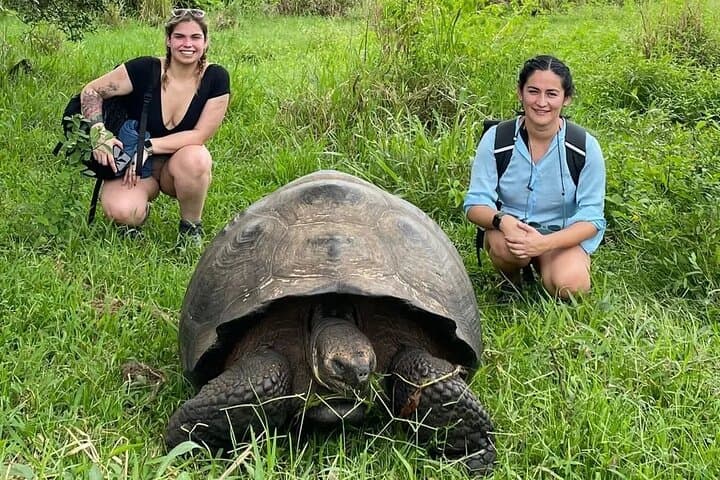
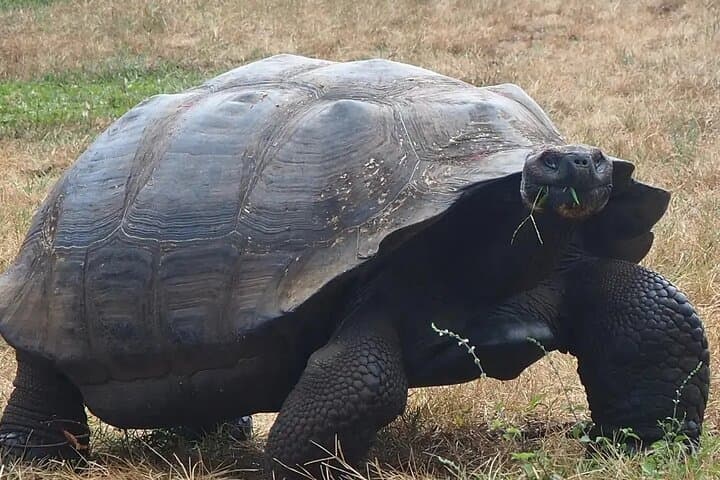
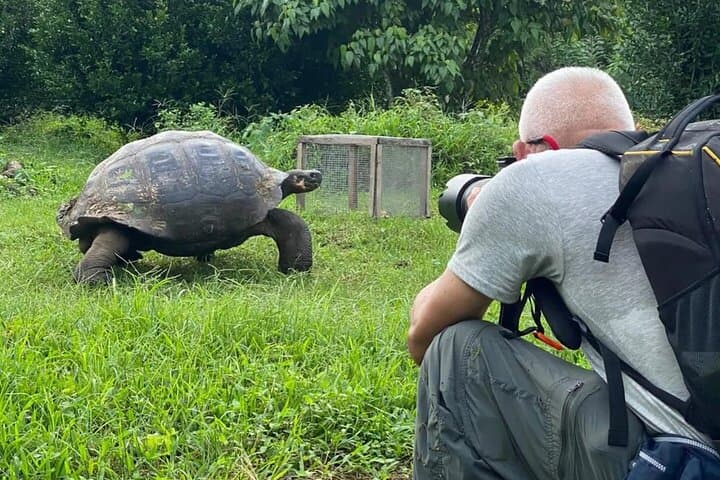
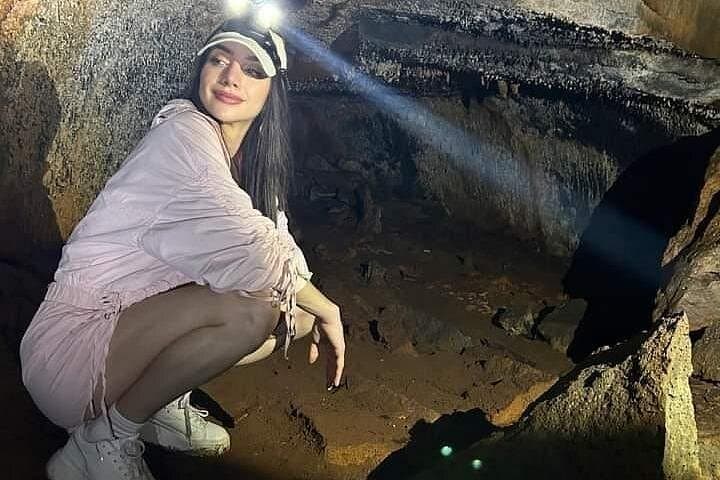
You step off the van into a hush of endemic forest — low clouds threading the taller scalesia and the air warm with citrus from nearby orchards. Giant tortoises move with deliberate curiosity a few meters away; their leathery domes and steady breaths make the landscape feel older than the clock. A naturalist with a keen eye points out Darwin's finches hopping through guava and avocado, while farther in, the trail narrows toward a dark throat: the mouth of a lava tunnel.
You step off the van into a hush of endemic forest — low clouds threading the taller scalesia and the air warm with citrus from nearby orchards. Giant tortoises move with deliberate curiosity a few meters away; their leathery domes and steady breaths make the landscape feel older than the clock. A naturalist with a keen eye points out Darwin's finches hopping through guava and avocado, while farther in, the trail narrows toward a dark throat: the mouth of a lava tunnel.
Santa Cruz sits atop relatively young shield volcanoes; these tunnels are former lava channels where molten rock tunneled beneath cooler crust and left hollow passageways and lavacicles. The highland transition forest here supports seasonal fruit trees and a distinct bird community including owls and the tito alba sighted in dim openings. Human use of the highlands has long been agricultural — groves of oranges and soursop edge many footpaths — but conservation efforts and controlled reserves protect tortoise grazing areas.
On this roughly three-hour excursion you’ll split time between wildlife viewing and a short cave exploration. The guide will explain geological formation and species behavior as you move between light and shadow.
Practical edge: wear sturdy, closed-toe shoes and bring a headlamp for the tunnels; expect uneven, sometimes slick ground and low ceilings. Hydrate before you go, move slowly near tortoises, and follow your guide’s instructions in confined spaces. Morning departures are cooler and increase bird activity; afternoon light suits photography of the tortoises.