Wilderness Landscape & Natural Heritage
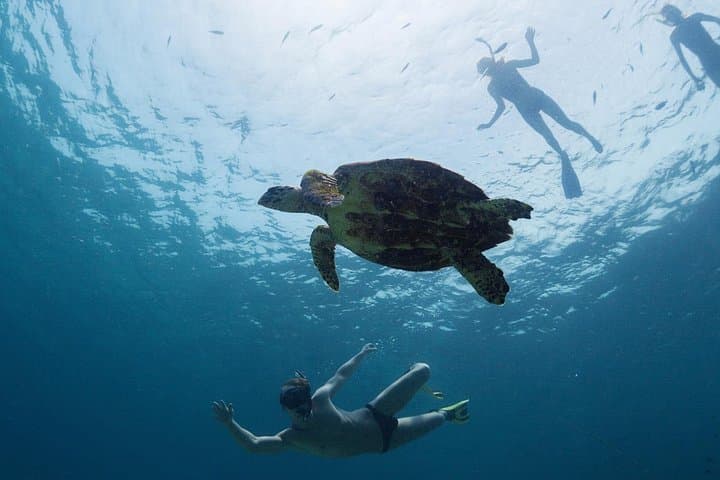
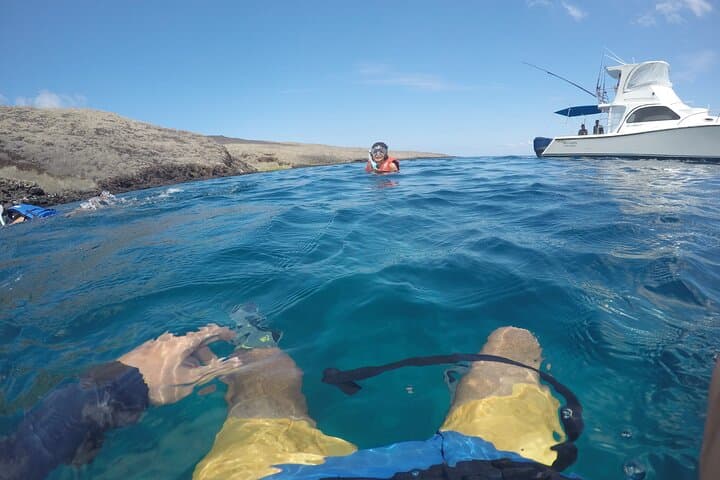
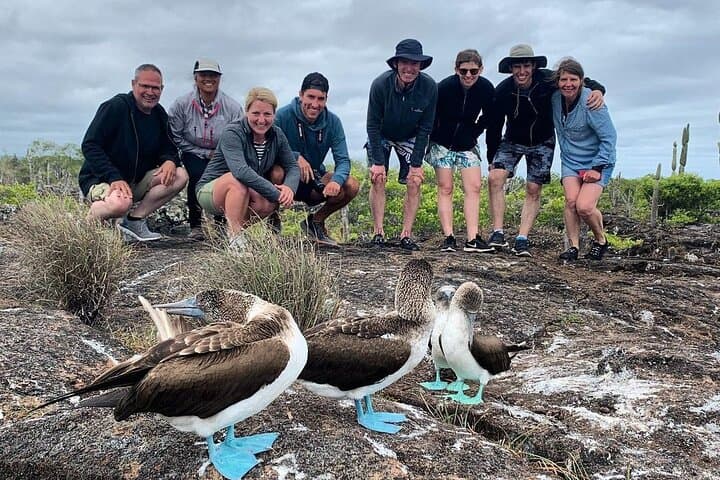
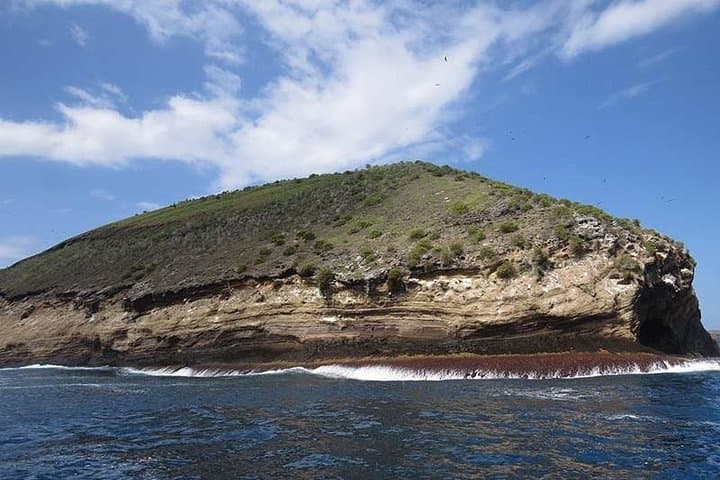
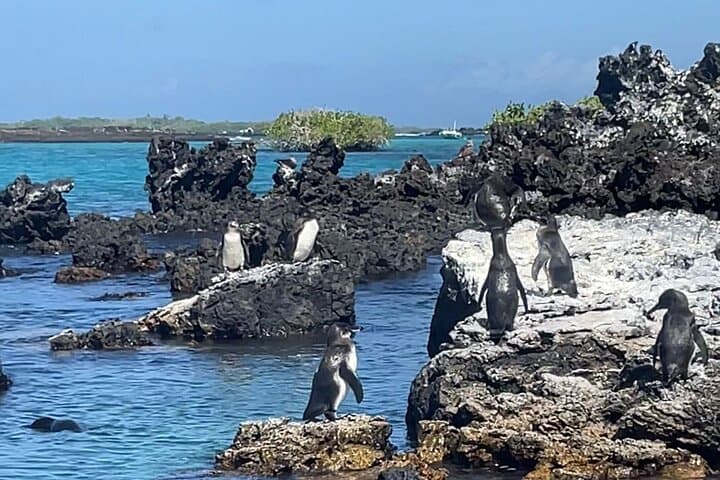
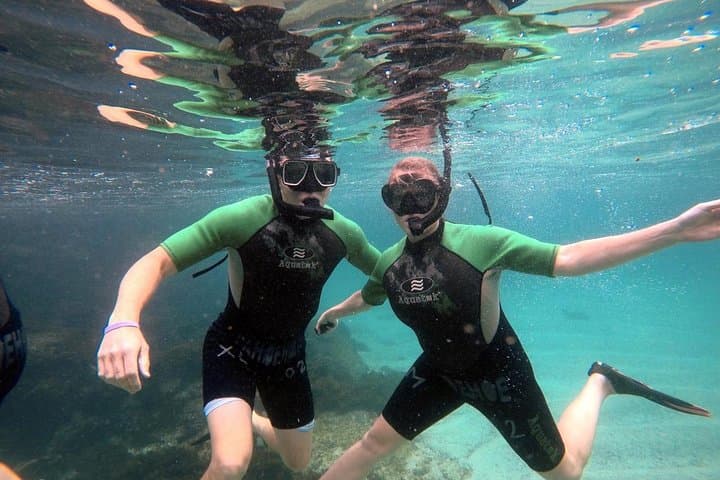
The Galápagos Marine Reserve, established in 1998, is one of the largest and most biologically diverse marine protected areas worldwide, covering an area of approximately 51,352 square miles around the Galápagos Islands in Ecuador. The reserve's waters are teeming with a unique array of marine species, many of which are found nowhere else on Earth. This biodiversity is the result of the confluence of three major oceanic currents that create a rich and varied habitat. The Galápagos Marine Reserve is a UNESCO World Heritage site and is crucial for the study of evolutionary processes. It supports an enormous diversity of species, such as marine iguanas, hammerhead sharks, penguins, and sea lions. Its historical significance is tied to Charles Darwin's 1835 visit, which contributed to his theory of natural selection. Key recreational opportunities include snorkeling, diving, wildlife viewing, and guided educational tours. The reserve offers an unparalleled experience for those interested in marine life and environmental conservation, attracting researchers, nature enthusiasts, and eco-tourists from all over the world.