
St. Helena Island adventure guide
Find your way into St. Helena Island.
A tidal map of live oaks, marsh creeks, and salt-scented air, St. Helena Island is a slow-motion coastal escape where boat tours watch dolphins arc through the inlet, kayaks slip past oyster beds, and walking tours wind through Gullah-Geechee history. Use this guide to stitch together water afternoons—sailing, fishing, and guided eco tours—with shoreline bike rides, quiet wildlife viewing, and classic sightseeing tours centered on Beaufort and the surrounding environmental attractions.
Three ways into the city
Pick a landscape. Build a day around it.
St. Helena Island is less a single destination than a collection of neighboring worlds. Start with the version of the city that matches your pace, then use the ranked guide below to fill in the details.

Begin where the city meets the sea.
Surf breaks, sheltered harbors, whale routes, and long beach paths make the coast LA’s most immediate outdoor playground.
Explore boat tour →
Let a local connect the landmarks.
Use a guided city, walking, or sightseeing tour to turn LA’s sprawl into a coherent story.
Explore sightseeing tour →
Ride the coast and the city.
Beach paths, river corridors, e-bikes, and ridge climbs reveal a more connected Los Angeles.
Explore bike rental →Choose your way into St.
The top 15 St. Helena Island adventures.
Ranked by the number of currently listed trips. Each panel opens the complete local activity collection.
1Boat Tour
St. Helena Island is salt, sky, and the slow geometry of tidal creeks. Boat tours here are low-and-slow explorations into a living coastline: oystercatchers skitter along exposed flats, dolphins arc in the shipping-channel wash, and guides weave history and natural history together with the cadence of the tides. Whether you want a short sunset cruise, an eco-focused marsh tour, a birding trip timed for migration, or a hands-on fishing charter, St. Helena’s boat-based experiences reveal the region’s ecological complexity and Gullah-Geechee cultural legacy.
Explore boat tour → 2
2Water Activities
Low tides carve a patchwork of oyster bars and tidal creeks into St. Helena Island’s shorelines; rising water turns those same channels into glass for kayaks and paddleboards. This guide focuses on the island’s water activities—paddling, inshore fishing, wildlife-watching boat trips, and coastal swimming—blending practical route notes with cultural and ecological context to help you plan trips that feel both effortless and well-prepared.
Explore water activities →3Bike Rental
Low, flat sea‑island roads, wide shoulders and a cultural landscape shaped by Gullah communities make St. Helena Island an ideal place to explore by bike. Rentals here are about easy pedaling, long marsh views, scattered historic sites, and quick access to beaches and nature preserves—perfect for relaxed half‑day loops or full‑day exploratory rides that pair well with kayaking, birding, and shoreline foraging.
Explore bike rental → 4
4Dolphin
On St. Helena Island, the salty breath of the estuary surfaces in a chorus of dorsal fins and playful bow-riding. Dolphin experiences here range from slow, interpretive boat tours through the labyrinth of channels to hands-on kayak and paddleboard trips that let you feel the swell and the dolphin's wake beneath your craft. This guide focuses on how to see dolphins responsibly, when encounters are most likely, and how to pick the right trip for your comfort and skill level.
Explore dolphin →5Sightseeing Tour
St. Helena Island’s sightseeing tours strip back the layers of the Lowcountry: tidal creeks brimming with birds, centuries-old Gullah communities, salt-white shores and live-oak canopies. Whether you join a short driving loop or a slow boat through glassy marsh channels, the island’s tours deliver vivid cultural context, intimate wildlife encounters, and a quiet, contemplative pace of place that feels distinct from the nearby tourist corridors.
Explore sightseeing tour → 6
6Fishing
St. Helena Island delivers a lowcountry fishing experience that feels equal parts cultural immersion and angling craft. Tidal creeks, wide salt marshes, and the nearby Atlantic shelf create a mosaic of productive habitat for redfish, speckled trout, flounder, and seasonal pelagics. Whether you’re wading a quiet inlet at dawn, running a skiff into the sound for sight-casting, or boarding a nearshore charter for a day of reef work, the island’s rhythms—driven by tides, shrimp runs, and the long arc of southern seasons—shape every cast. This guide focuses on practical route-planning, access points, seasonal targets, and what to pack so you can spend more time on the water and less time guessing.
Explore fishing → 7
7Eco Tour
St. Helena Island’s lowcountry landscapes—salt marshes, tidal creeks, maritime forests, and oyster beds—are the living subjects of guided eco tours that blend natural history, wildlife watching, and cultural storytelling. These experiences range from gentle boat excursions across glassy tidal channels to interpretive walks through maritime hammocks, all anchored in the island’s deep Gullah traditions and conservation priorities.
Explore eco tour → 8
8Wildlife
St. Helena Island is a patchwork of tidal marsh, barrier island edges, and quiet creeks where migratory birds, bottlenose dolphins, and nesting shorebirds are part of the daily soundtrack. This guide focuses on wildlife encounters—boat and kayak tours, guided birding walks, and shoreline viewing—plus practical notes on timing, terrain, and how to see more while leaving the place intact.
Explore wildlife → 9
9Sailing
Sailing around St. Helena Island is an exercise in contrasts: shimmering inland marshes that funnel tidal currents, wide blue reaches of the Port Royal Sound, and the intimate coastal waterways threading between barrier islands. For daysailing and learning-to-sail outings, the protected estuaries offer forgiving conditions and close-up encounters with shorebirds and marsh grasses. For more ambitious crews, a short hop to Hunting Island or a coastal run along the Sea Islands opens longer reaches, cleaner swell, and the chance to anchor under a star-filled Lowcountry sky.
Explore sailing → 10
10Kayak
St. Helena Island's braided marshes and sheltered creeks make it a kayak destination for close-up wildlife viewing, easy coastal touring, and culturally rich side trips. From quiet estuary loops that feel like paddling through a watercolor to longer crossings that graze barrier islands and the Intracoastal Waterway, the island's low-lying landscape is perfect for paddlers who want a mix of serenity, birdsong, and tangible coastal history.
Explore kayak →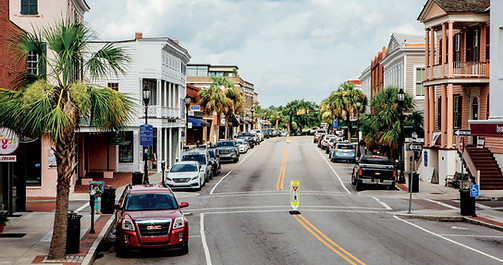 11
11City Tour
St. Helena Island condenses Lowcountry rhythm into walkable streets, marsh-front drives, and boat-accessed history. City tours here are less about skyscrapers and more about living culture—Gullah traditions, storied plantations, and salt-scented vistas. Whether you move on foot, bike, or by boat, tours stitch together oral histories, seafood kitchens, and tidal landscapes into an intimate portrait of the Carolina coast.
Explore city tour → 12
12Boat Rental
Renting a boat from St. Helena Island is the most immediate way to touch the Lowcountry: tidal creeks threading through sawgrass, white-sand fingers of deserted barrier islands, and a living coastline where shrimp boats and herons share the same morning light. This guide focuses on the practical — what to rent, when to go, where to navigate — while coloring the experience with the island’s natural rhythms and cultural context so you arrive prepared and inspired.
Explore boat rental → 13
13Walking Tour
On St. Helena Island, walking is both a way to move through landscape and a method of listening. Low tides reveal oyster beds and salt-rimmed flats; live oaks draped in Spanish moss hold centuries of memory. This guide focuses on walking tours—guided and self-guided—that thread together the island’s Gullah heritage, marsh-edge ecology, and shoreline quiet. Expect short heritage loops, marsh boardwalks, village streets, and long shoreline ambles that pair perfectly with birdwatching, kayaking, and culinary stops.
Explore walking tour → 14
14Bike Tour
Low, luminous marshes, quiet causeways and a living cultural landscape make St. Helena Island a bike tourer's secret: rides here unfold at sea-level pace, with tidal creeks painting the horizon, Gullah-Geechee history around every bend, and short loops that stack into a day of discovery. This guide focuses on bike touring—from easy cultural loops that double as moving history lessons to longer coastal rides that link nearby islands and parks.
Explore bike tour → 15
15Environmental Attraction
St. Helena Island's environmental attractions are an intimate study in water, salt, and resilience: wide tidal creeks carve through grass-silvered salt marshes, maritime forests rise like islands of green, and a seasonal chorus of birds, fish, and shell life animate the tides. This guide focuses on the island's living systems—what to see, when to go, and how to experience the Lowcountry's fragile coastal ecology responsibly.
Explore environmental attraction →The city and the sea
Why St. Helena Island Belongs on Your Adventure Shortlist
Variety without surrendering the day to long transfers.
Where marsh and ocean meet, St. Helena Island moves at the pace of tide and song. The island is a classroom and a cathedral—salt grass and oyster reefs teaching about estuaries the way local storytellers pass down Gullah-Geechee memory. This is an island for water-first itineraries: morning kayak tours wind through mangrove-lined creeks, midday boat tours cut across Port Royal Sound in search of dolphins and migrating birds, and late afternoons invite slow bike rentals along lowcountry lanes that empty out to salt marsh overlooks. Sightseeing tours and walking tours fold cultural context into every outing; you don’t just see the landscape here, you understand the people who have stewarded it. Practical pleasures define the trip. Outfitters cater to a spectrum of visitors—families booking calm bay kayak trips, anglers signing up for half-day fishing charters, and sailors finding afternoon breeze for a lesson or a sunset sail. For those after something quieter, eco tours and environmental attraction visits offer interpretive walks and wildlife-viewing by boat or onshore. Even on busy summer weekends, pockets of solitude remain: early-morning paddles are often rewarded with lone herons and mirrored marshes, while the busiest boat-tour corridors quiet down as evening approaches. The island’s proximity to Beaufort and Port Royal makes it an excellent base for combining city tours with open-water recreation, so you can pair museum visits and historic sites with full-day sailing or a family-friendly boat rental. Above all, St. Helena Island invites a slower kind of adventure—one measured in tides, birdcalls, and the turning of oar blades—perfect for travelers who want both action and reflection.
Access and logistics are straightforward: Beaufort’s small airport and regional shuttle services put the Sea Islands within reach, and local outfitters handle gear, guides, and tide-aware launch plans. If your priority is wildlife or quiet paddling, aim for a sunrise put-in when winds are light and birds are active.
Culinary and cultural stops bookend outdoor days: lowcountry kitchens serve shrimp and oysters caught nearby, and cultural centers and guided storytelling sessions deepen any eco- or wildlife-focused outing. Mix a morning kayak trip with an afternoon walking tour or city tour of Beaufort for the full lowcountry experience.
Conditions shape the day
The best time to visit St. Helena Island.
Spring and fall offer mild temperatures, calm mornings, and excellent bird migration windows. Summer brings hot, humid days and more predictable sea breezes—great for sailing but busier on boat tours. Winter is mild but can be blustery; some outfitters reduce schedules off-season.
Best all-around window
Spring + fall
Comfortable mixed-itinerary weather, thinner crowds at beaches and lookouts, and more room to improvise.
Beach season
Late spring through early fall—book popular boat tours, fishing charters, and guided eco tours in advance.
Surf + whales
Late fall and winter weekdays provide lower rates and quieter trails; ideal for wildlife photography and reflective shoreline walks.
Coast to inland
Cool marine mornings often give way to warmer inland afternoons and breezy evenings.
Beginner
Short, low-effort outings ideal for families and newcomers—calm bay kayak trips, easy walking tours of historic sites, and half-day sightseeing boat tours.
- Calm-water kayak tour through tidal creeks
- Family-friendly boat tour for dolphin watching
- Short walking tour focused on local history
Intermediate
Longer paddles, DIY kayak routes with mild currents, afternoon sailing lessons, and freestanding bike tours along country lanes.
- Guided eco tour with creek navigation
- Half-day fishing charter
- Bike tour connecting marsh overlooks and local beaches
Advanced
Tide-dependent navigation, offshore sail sessions, and multi-hour exploratory kayak trips that require route planning and strong paddling skills.
- Open-water kayak crossing timed to tide windows
- Advanced sailing day with variable coastal winds
- Expedition-style wildlife survey paddle into remote marsh channels
Field kit
What to bring.
Pack for sun, salt water, walking, and a meaningful temperature swing between coast and inland St..
Essential
Start here
- Light, quick-dry layers and a wind shell for variable coastal conditions
- Waterproof sunscreen and a wide-brim hat
- Reusable water bottle and snacks—options are sparse outside town
- Footwear that can get wet (sandals with straps or river shoes)
- Binoculars for dolphin and shorebird spotting
Water days
Keep it dry
- Dry bag for electronics on kayak or boat outings
- Compact first-aid kit and blister care for walking tours
- Reusable snorkeling mask for shallow tidal flats (where allowed)
- Insect repellent for marsh edges at dusk
Long days
Stay flexible
- Light travel tripod for sunrise marsh photography
- Travel fishing license paperwork if planning to fish from shore or boat
- Waterproof phone case or float leash for action cameras
Insider note
Start early, then keep the geography tight.
Start early for glassy paddles and active wildlife; mornings are when dolphins, ospreys, and migrating shorebirds are most visible. If you plan to fish or collect shellfish, follow state regulations and local advisories. Choose outfitters that emphasize tide-aware plans—put-ins and parking can shift with the tide. When booking, ask whether a trip includes dry storage or a dry bag for electronics. Leave no trace: pack out trash and respect posted nesting sites during spring and summer. Finally, pair a sea-based outing with a city tour of nearby Beaufort to round out cultural context and enjoy local Lowcountry cuisine after a day on the water.
Good to know
Frequently asked questions.
Can I spot dolphins from shore or do I need a boat tour?
Dolphins are often visible from shoreline vantage points, especially near inlets, but boat tours increase sighting probability and put you closer to pods for photography and observation.
Are guided eco tours worth it?
Yes—guided eco tours deliver local ecological context, tide-aware route choices, and access to quieter channels or protected areas that are harder to navigate solo.
Is bike rental a good way to explore the island?
Bike rentals are excellent for short, scenic explorations and connecting to nearby salt marsh overlooks. Choose a bike tour or rental with a map, as some back roads have soft shoulders.
Ready when you are
Find the trip that fits your St. Helena Island day.
Compare bookable experiences across the coast, city, and mountains—then save the ones that belong in your plan.
Explore all St. Helena Island adventures ↗