
Grand Lake adventure guide
Find your way into Grand Lake.
At the western portal to the high Rockies, Grand Lake pairs glassy water mornings with thin‑air afternoons on alpine trails. This guide helps you chain lake days — fishing, SUP and boating — with short hikes and full‑day forays into Rocky Mountain National Park. Whether chasing fall color, early‑season snowpack or high‑sun lake laps, you’ll find a pragmatic mix of lodge‑side comforts, winter motorized routes, and old‑town charm that makes Grand Lake a compact base for year‑round outdoor play.
Three ways into the city
Pick a landscape. Build a day around it.
Grand Lake is less a single destination than a collection of neighboring worlds. Start with the version of the city that matches your pace, then use the ranked guide below to fill in the details.

Begin where the city meets the sea.
Surf breaks, sheltered harbors, whale routes, and long beach paths make the coast LA’s most immediate outdoor playground.
Explore water activities →
Let a local connect the landmarks.
Use a guided city, walking, or sightseeing tour to turn LA’s sprawl into a coherent story.
Explore walking tour →
Ride the coast and the city.
Beach paths, river corridors, e-bikes, and ridge climbs reveal a more connected Los Angeles.
Explore bike tour →Choose your way into Grand
The top 15 Grand Lake adventures.
Ranked by the number of currently listed trips. Each panel opens the complete local activity collection.
 1
1Fishing
Framed by wind-scoured pines and the jagged teeth of the Never Summer Range, Grand Lake is a fishing landscape that moves between placid morning glass and wild, weather-stung afternoons. It’s a place where anglers ply deep, clear water for lake trout and chase hungry rainbows along high-elevation inlets that feed the Colorado River. This guide focuses on what matters for fishing here—when to go, how to get on the fish, terrain and access, and the practical planning that turns a good outing into a memorable day on the water.
Explore fishing →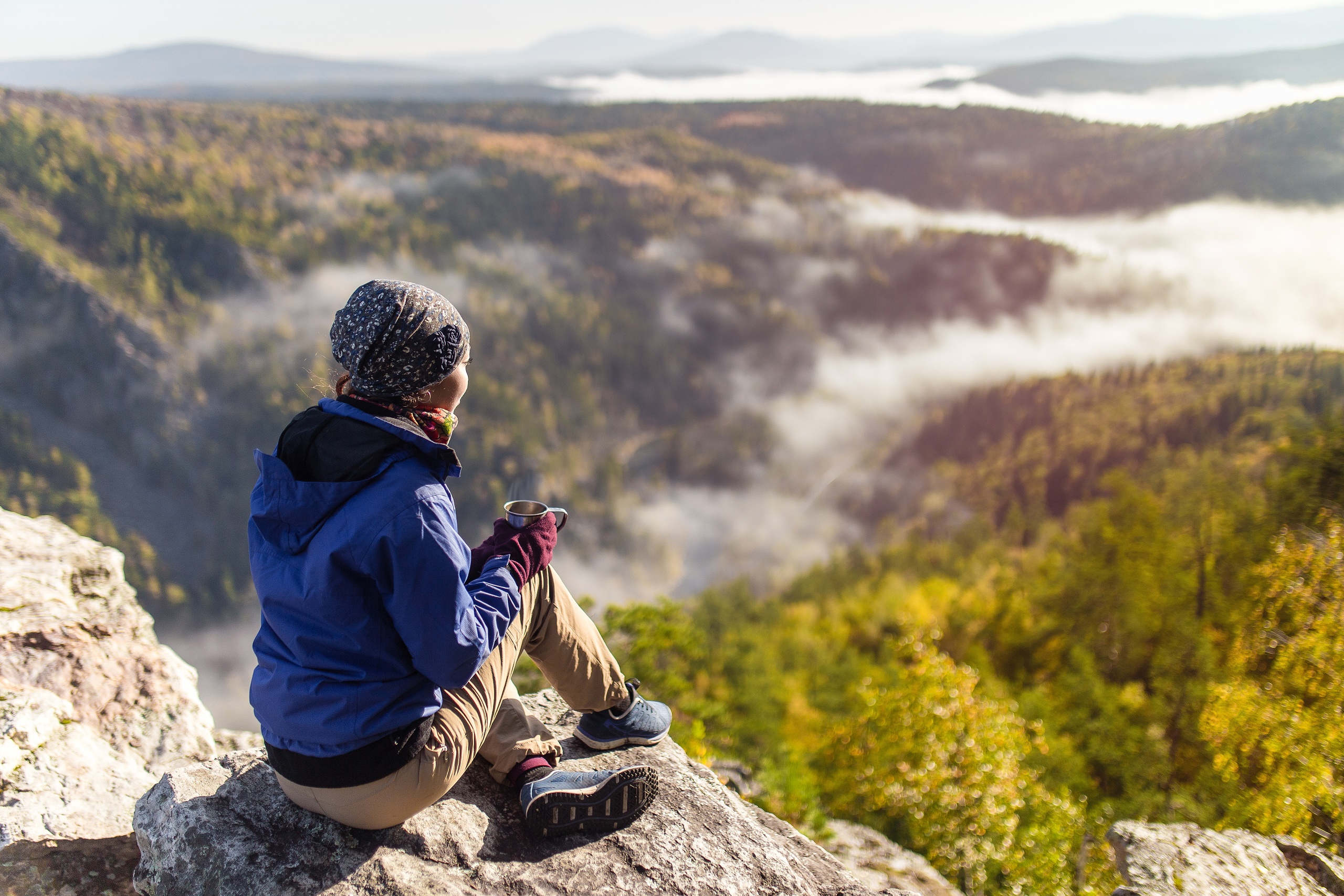 2
2Hiking
Backed by the Sentinel Range and framed by glassy alpine lakes, Grand Lake is the western gateway to Colorado’s high country. Hiking here moves quickly from lakeshore strolls to tundra-scrubbed ridgelines, with trails that slide through aspen groves, open meadows, and the wide, wind-swept bowls of the Continental Divide. This guide focuses on day hikes, alpine approaches, and valley routes accessible from the town and nearby park entrances — the routes that reveal the geological drama, wildlife, and weather that define the region.
Explore hiking → 3
3Lodging
Perched on the western edge of Rocky Mountain National Park, Grand Lake wears its small-town charm proudly. Lodging here ranges from rustic log cabins and family-run inns to lakeside resorts and modern vacation rentals. What unites them is proximity—to the water, to trailheads, and to a slower pace: mornings filled with canoe wakes and evenings framed by high-country light. This guide breaks down the lodging landscape, seasonality, access, and practical details so you can match the right stay to your adventure—whether that’s fishing at first light, driving Trail Ridge Road, skiing nearby in winter, or simply finding a porch to watch changing aspens in autumn.
Explore lodging →4Walking Tour
Tucked against the western door of Rocky Mountain National Park, Grand Lake invites walking tours that trade traffic for shoreline breezes, wood‑framed storefronts, and high‑country panoramas. Stroll the town boardwalks, meander quiet lakeside paths at dawn, or follow interpretive nature walks into lodgepole forests and willow-lined inlets where moose and waterfowl are common companions. Walking here is as much about a gentle pace and attention to detail—the way light slides off the lake at golden hour, the architecture of century‑old lodges, the whisper of pine needles underfoot—as it is about distance. These tours are accessible to a wide range of walkers but demand respect for elevation and mountain weather.
Explore walking tour →5Water Activities
Framed by jagged peaks and the whisper of lodgepole pines, Grand Lake is Colorado’s high-country waterfront—where glacial bowls spill into mirror-still water and summer days are measured by paddle strokes and fishing bites. This guide focuses on water-based pursuits in and around Grand Lake: calm-water paddling, stand-up paddleboarding, guided fly-fishing, scenic boat cruises, and seasonal ice fishing. It also points you toward nearby reservoirs and the headwaters of the Colorado River for complementary boating and whitewater options.
Explore water activities → 6
6Climbing
Grand Lake is the western gateway to high-alpine climbing in Rocky Mountain Country. From brisk slab and multi-pitch rock to winter ice and full-on alpine objectives, this small lakeside town unspools a surprising variety of vertical options within a short drive—ideal for climbers who pair technical days with quiet evenings beside the water.
Explore climbing → 7
7Winter Activities
Tucked at the western gateway to Rocky Mountain National Park, Grand Lake becomes a crystalline playground each winter: frozen lake expanses, groomed Nordic tracks threaded through whispering pines, and backcountry approaches that trade summer crowds for hushed, wind-sculpted solitude. This guide focuses on winter-specific pursuits—snowshoe routes, cross-country and nordic skiing, fat biking, ice fishing, and snowmobiling access nearby—while grounding each experience in practical planning details for high-altitude, cold-weather travel.
Explore winter activities → 8
8Snowmobile
High above the tree line and cradled by frozen lakes and pinyon-dusted ridges, Grand Lake is Colorado snowmobiling at its most cinematic. Long, groomed corridors and expansive backcountry access combine with short drives from town to create a compact winter playground: peaceful lakeside loops, high-mountain basins, and technical forest trails. This guide focuses on the snowmobile experience here—where to ride, when to go, what to expect, and how to thread complementary winter activities like cross-country skiing, ice fishing, and hot springs so your trip is as smooth as a morning glide under a bluebird sky.
Explore snowmobile → 9
9Bus Tour
Bus tours around Grand Lake condense alpine spectacle into accessible, interpretive rides—perfect for travelers who want the high-country panoramas, wildlife viewing, and historic lakeside charm without the logistics of driving or wilderness navigation. These coach and shuttle experiences range from short narrated town loops to full-day routes that thread into Rocky Mountain National Park's West Entrance, climb toward treeline vistas, and stop for photo-ready overlooks and interpretive walks.
Explore bus tour → 10
10Eco Tour
Grand Lake is a compact stage for ecological storytelling: glacial bowls, high-alpine wetlands, rippling lakes, and the broad Kawuneeche Valley. Eco tours here range from shoreline birding cruises and wetland walks to guided alpine ecology hikes and night-sky conservation talks. Each outing pairs natural history with practical stewardship—ideal for travelers who want to learn why these places look and behave the way they do, and how to visit responsibly.
Explore eco tour →11Bike Tour
Grand Lake is the mountain-town springboard for unforgettable bike tours: high alpine road climbs across Trail Ridge Road, lake-side spins around Shadow Mountain and Lake Granby, and rugged gravel and forest-service routes that thread the Arapaho National Forest. This guide focuses on the best ways to pedal the high-country landscape—what to expect from terrain and altitude, how seasons shape access, and practical tips for planning everything from family lake loops to ambitious summit-to-valley rides.
Explore bike tour → 12
12Sightseeing Tour
Nestled on Colorado’s largest natural lake and framed by the western edge of Rocky Mountain National Park, Grand Lake is a compact hub for curated sightseeing: historic boardwalks, turquoise alpine waters, sweeping ridgelines, and intimate wildlife encounters. This guide gathers the best guided and self-guided sightseeing tours that turn scenic drives, boat trips, and short interpretive walks into memorable, accessible outdoor experiences.
Explore sightseeing tour → 13
13Ski
Perched on the western edge of Rocky Mountain National Park, Grand Lake is a small town with expansive access to big-sky skiing: tracked nordic glades, classic Colorado backcountry lines, and approachable resort options within an easy drive. This guide centers on skiing—from serene cross-country laps and boot-packed skintracks to steep, powder-steeped descents—framing the terrain, timing, and planning details you'll need to make a winter trip that balances play with safety.
Explore ski → 14
14Train
Perched at the western gateway to Rocky Mountain National Park, Grand Lake is a place where the mountains meet a shoreline, and the best train journeys in the region feel like a slow-motion meditation on alpine landscapes. Trains here are not simply transport—they are vantage points: vaulted cars framing aspen groves, pine-scented valleys, and river bends that drop away beneath high ridgelines. Whether you’re taking a short scenic excursion to photograph fall color, coupling a rail leg with a lakeside paddle, or using a historic corridor to access trailheads and backcountry approaches, the train-oriented experiences around Grand Lake weave mobility with access, history, and landscape in a way that road travel rarely matches.
Explore train →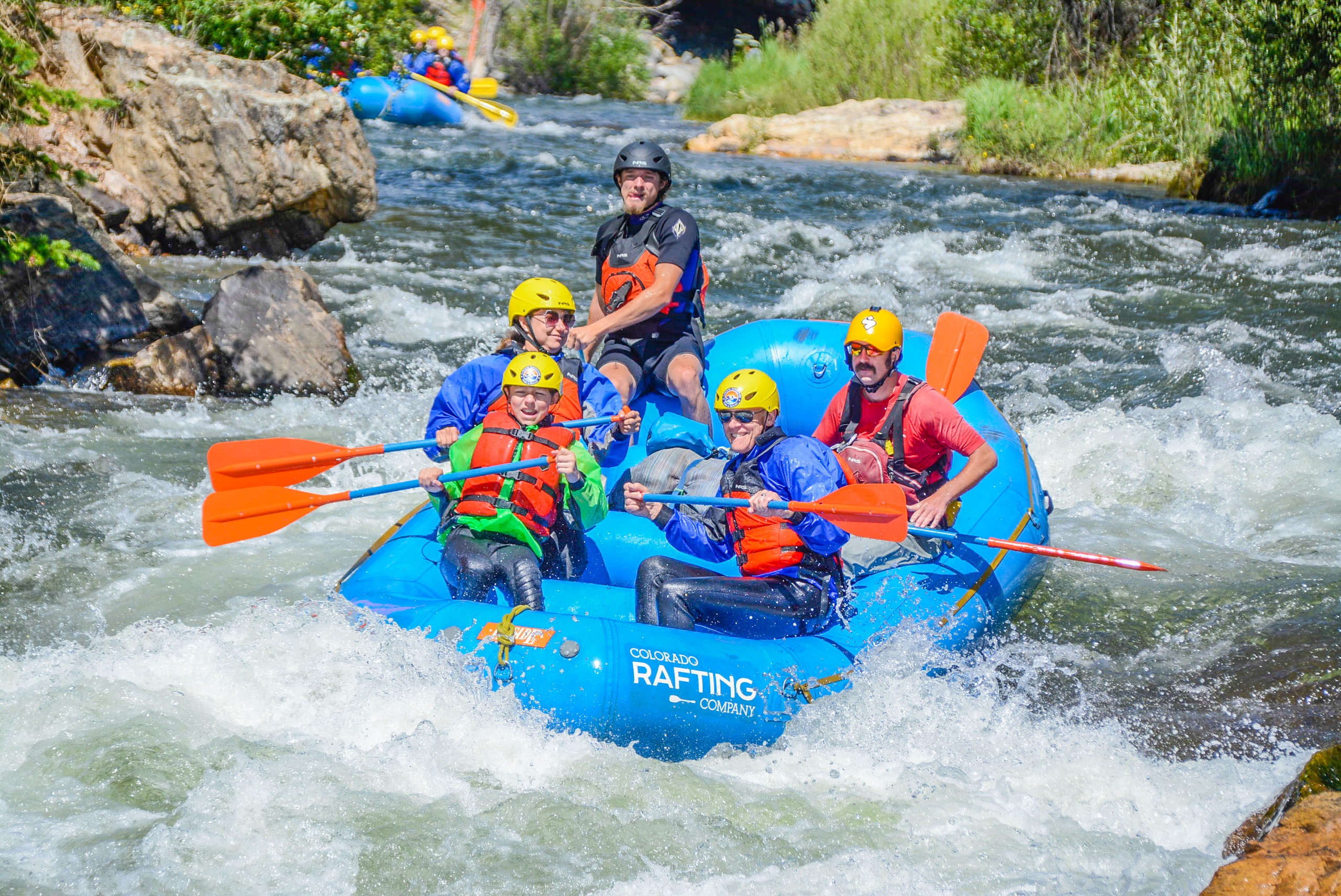 15
15Rafting
Perched at the edge of Rocky Mountain National Park, Grand Lake is where alpine water meets wide-open valley — a compact rafting destination that ranges from placid, scenic floats to spring-driven, edge-of-your-seat runs. This guide focuses on river time: reading flows, choosing a trip, and pairing waterborne passages with backcountry trails and fishing access nearby.
Explore rafting →The city and the sea
Why Grand Lake Belongs on Your Adventure Shortlist
Variety without surrendering the day to long transfers.
Perched where subalpine forests spill down to a broad, reflective lake, Grand Lake is the kind of place that rewards both quiet mornings and calculated excursions. The town is small—boardwalks, pine cabins, and a handful of lodges—yet it functions as a launch point for a surprising diversity of pursuits: lake fishing at first light, single‑day hikes into the high country, respite at a lakeside lodge, or a snowmobiling loop when the storms pile up. The geography is a study in contrasts. One side of a morning can be spent chasing trout and casting from a quiet cove; the next can be a booted ascent to a ridge that trims the horizon and tests your legs. Those contrasts are why Grand Lake is useful to more than one kind of traveler. Beginners get forgiving lake paddles, gentle fishing floats, and short interpretive walks. Intermediates find classic hikes with pulse‑raising viewpoints and bike loops on gravel roads. Advanced adventurers can arrange technical climbs, long ridge routes into Rocky Mountain National Park, and deep winter itineraries on groomed and ungroomed terrain. The town’s compact scale means logistics are simple: outfitters and rental shops concentrate near the marina, convenient trailheads open to early starts, and a short drive delivers you into nationally protected landscapes. This economy of motion matters when altitude and weather narrow your windows; you want to be on the water at dawn or at a high pass for golden hour, not stuck in transit. Equally pragmatic is the rhythm of seasons. Summer is about open water, trail access, and strong fishing; fall converts the aspens into a riotous palette and trims crowds; winter flips the script to motorized winter activities and cross‑country travel. That seasonal variety makes Grand Lake an excellent candidate for multi‑weekend returns: learn a lake in July, hike a new ridge in September, and sample a snowmobile trail in January. Practical travel planning pays dividends here—book lakeside lodging early for peak summer and leaf‑peaking weekends, keep micro‑layers for variable alpine afternoons, and respect trail and water conditions. In short, Grand Lake mixes a small‑town welcome with the tools of serious outdoor play. The result is a destination that feels intimate yet rich with ways to get outside: fishing, hiking, water activities, winter activities, and a healthy menu of guided and self‑guided options that suit anybody from first‑time lake paddlers to seasoned mountain travelers.
Accessibility is deceptively good: a short drive from larger mountain highways puts you next to major trailheads and lakeside put‑ins. Local outfitters simplify logistics for paddle, motor, and shuttle needs.
Pair the wild with a deliberately slow pace—walk the boardwalk, sample lodge dining between outings, and use the town as a basecamp to rotate activities by day: fishing and water activities in the morning, a hike or sightseeing tour in the afternoon, and a lodge fire or stargaze at night.
Conditions shape the day
The best time to visit Grand Lake.
Summer delivers warm, dry days and cool nights—perfect for water activities and high‑country hikes; fall brings crisp mornings and peak aspen color; winter is cold and snowy, ideal for snowmobiling and cross‑country skiing. Afternoon storms can develop in summer; plan early starts.
Best all-around window
Spring + fall
Comfortable mixed-itinerary weather, thinner crowds at beaches and lookouts, and more room to improvise.
Beach season
Mid‑June through early September for lake recreation and mid‑September for leaf‑peaking weekends—book lodging and rentals early.
Surf + whales
Late fall and winter weekdays offer quieter trails and value lodging; winter opens snowmobile corridors and backcountry ski objectives for experienced travelers.
Coast to inland
Cool marine mornings often give way to warmer inland afternoons and breezy evenings.
Beginner
Short, low‑exposure outings that introduce the lake and nearby trails—minimal equipment required.
- Morning fishing off the marina or shoreline
- Flatwater SUP or guided beginner paddle
- Boardwalk stroll and short walking tours of town
Intermediate
Longer hikes, lake routes with wind exposure, and basic winter excursions when snowpack allows.
- Day hike on East Inlet Trail into alpine lakes
- Full‑lake paddle or guided eco tour
- Gravel bike loops around Shadow Mountain Reservoir
Advanced
Technical climbs, full‑day ridge traverses, backcountry ski runs and extended winter motorized routes that demand navigation skills and planning.
- Backcountry routes in Rocky Mountain National Park with navigation and avalanche awareness
- Technical alpine climbing and long summit approaches
- Extended snowmobile or ski tours on ungroomed terrain
Field kit
What to bring.
Pack for sun, salt water, walking, and a meaningful temperature swing between coast and inland Grand.
Essential
Start here
- Layered clothing for alpine temperature swings (base, insulating, shell)
- Sunscreen and a brimmed hat—high altitude increases UV exposure
- Water and electrolyte snacks; altitude increases fluid needs
- Sturdy footwear for wet shorelines and rocky trails
- Lightweight dry bag for phones and keys during water activities
Water days
Keep it dry
- Compact first‑aid kit and altitude meds if you’re sensitive
- Wool or synthetic socks for chilly mornings
- Repair kit for paddles or bike flats
- Headlamp for early put‑ins or late returns
Long days
Stay flexible
- Binoculars for waterfowl and raptor watching
- Action camera with floatation for lake days
- Trekking poles for steep trail sections and unstable scree
Insider note
Start early, then keep the geography tight.
Start early to beat afternoon storms and shoreline winds—sunrise casts some of the best fishing and the calmest paddling conditions. Reserve boats and paddle rentals ahead in summer and book snowmobile guides or groomed‑trail access in winter. Respect private docks and posted signs; many excellent put‑ins and overlooks are managed and require following local rules. If you’re chasing fall color, aim for mid‑September to early October but expect variation by elevation. Finally, remember that altitude affects pace: shorter days of activity spread across multiple mornings will feel better than one long push.
Good to know
Frequently asked questions.
Can I do most activities without a guide?
Yes for many paddles, lake fishing from shore or a rental boat, and shorter hikes. Consider a guide for technical climbs, whitewater rafting, or unfamiliar winter motorized travel.
Do I need permits for Rocky Mountain National Park?
Park permits and fees apply for park access and certain activities. Check Rocky Mountain National Park’s official site for current pass, timed‑entry, and backcountry permit rules.
How should I prepare for altitude?
Arrive hydrated, take it easy the first 24 hours, and avoid heavy exertion if you're coming from low elevations. Know altitude sickness symptoms and plan shorter outings until you feel acclimated.
Ready when you are
Find the trip that fits your Grand Lake day.
Compare bookable experiences across the coast, city, and mountains—then save the ones that belong in your plan.
Explore all Grand Lake adventures ↗