
Canyonlands adventure guide
Find your way into Canyonlands.
Red rock spires, blue-sky panoramas, and the slow, patient carving of the Colorado and Green rivers define Canyonlands. This guide stitches together high-desert essentials—climbing towers, canyon rims, and river corridors—with practical advice for booking a bike rental, joining a sightseeing tour, or slipping into a quiet backcountry fishing run. Whether you chase sunrise from Island in the Sky, plot a technical climbing route, or book an air-activities flight above the maze, Canyonlands delivers elemental, wide-open adventure.
Three ways into the city
Pick a landscape. Build a day around it.
Canyonlands is less a single destination than a collection of neighboring worlds. Start with the version of the city that matches your pace, then use the ranked guide below to fill in the details.

Begin where the city meets the sea.
Surf breaks, sheltered harbors, whale routes, and long beach paths make the coast LA’s most immediate outdoor playground.
Explore water activities →
Let a local connect the landmarks.
Use a guided city, walking, or sightseeing tour to turn LA’s sprawl into a coherent story.
Explore sightseeing tour →
Ride the coast and the city.
Beach paths, river corridors, e-bikes, and ridge climbs reveal a more connected Los Angeles.
Explore bike rental →Choose your way into Canyonlands
The top 15 Canyonlands adventures.
Ranked by the number of currently listed trips. Each panel opens the complete local activity collection.
 1
1Zoo
Canyonlands doesn't house a conventional zoo behind fences and feeding schedules. Instead, the region offers a living, open-air exhibit where desert-adapted wildlife, interpretive visitor centers, and nearby conservation programs provide encounters that feel curated but wild. This guide orients travelers who want animal-focused experiences—whether it’s a gentle visit to a regional wildlife education center, a guided birding outing from Moab, or quiet dawn watches for raptors along the canyon rims.
Explore zoo → 2
2Ski
Skiing around Canyonlands is a study in contrasts: high-elevation powder bowls of the La Sal Mountains drain into a labyrinth of sandstone canyons and slickrock below. This guide focuses on ski touring, backcountry descents, and nordic routes accessible from Moab and the park rims, blending technical information with place-based storytelling so you can plan a safe, memorable trip.
Explore ski →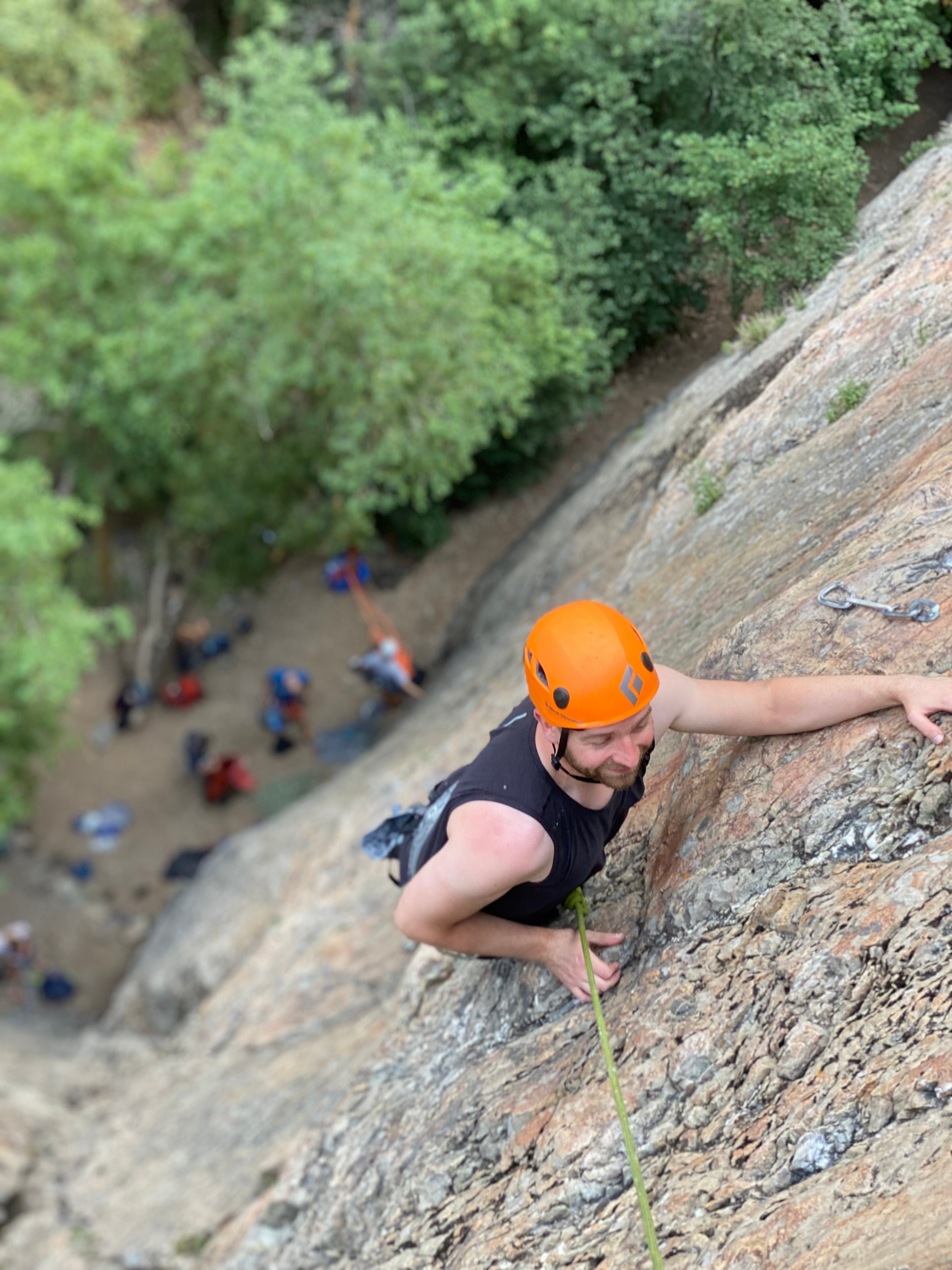 3
3Climbing
Canyonlands is a desert climbing crucible—steep sandstone faces, delicate cracks, and freestanding towers carved by eons of wind and water. This guide focuses on climbing: technical trad crack lines, exposed multi-pitch routes, and the desert approach ethic that defines the region.
Explore climbing →4Water Activities
Canyonlands carves its story with water: braided rivers that have gouged deep red amphitheaters, seasonal pools tucked under sandstone ledges, and weeks-long river corridors that reward patience with remote camps and sudden rapids. This guide focuses on the ways to experience the park from the water—day floats, multi-day rafting trips, technical river running, paddle excursions on calm reaches, and the water-based approaches to slot canyons and desert oases.
Explore water activities → 5
5Winter Activities
Winter redraws Canyonlands in a language of sharp light, copper cliffs dusted with snow, and long, quiet hours along rim trails. The season is made for crisp sunrise overlooks, cold-weather day hikes, snowshoe and cross-country ski routes where desert and alpine instincts meet, and solitary drives through remote districts. This guide focuses on winter-specific pursuits—where to find safe, scenic winter walking, how to layer for high-desert cold, and the practical choices that make a winter visit both memorable and responsible.
Explore winter activities → 6
6Snowmobile
Canyonlands is better known for its red-rock labyrinths, but in winter the surrounding high country—La Sal and Abajo peaks, plateaus, and forest roads—turns into an unexpected snowmobile playground. This guide focuses on where to ride outside the park boundaries, how to read terrain and conditions in high desert winters, and how to balance speed and solitude while respecting delicate landscapes and cultural sites.
Explore snowmobile → 7
7Boat Rental
Boat rentals in the Canyonlands region transform red-rock panoramas into a waterborne wilderness. Whether you’re piloting a small motorboat across a still pool, slipping a kayak into a braided side channel, or boarding a guided raft below a thunderous cliff, the river reframes the canyon—softening distances, revealing cliffline archaeology, and opening remote campsites. This guide zeroes in on renting boats and accessing navigable water in and around Canyonlands’ river corridors: practical planning, terrain notes, seasonality, complementary activities, and the real-world considerations that will make a trip successful and memorable.
Explore boat rental → 8
8ATV/UTV
Canyonlands is where desert big-sky drives meet technical slickrock, and for ATV/UTV riders that means an interface of raw terrain and cinematic vistas. These five rides represent the range here: scenic loops, rock‑gardening runs, and remote canyon traverses that stitch together red sandstone ramps, mesa edges, and expansive overlooks.
Explore atv/utv → 9
9Fishing
Fishing in Canyonlands is a study in contrasts: slow, eddying pools where catfish lurk, razor-straight riffles that funnel smallmouth bass, and long, sun-baked banks where carp cruise beneath sandstone cliffs. This guide concentrates on angling opportunities threaded through the maze of canyons and rivers—river flotillas, roadside bank access, and remote wading runs—balancing sensory storytelling with the practical details you need to plan a successful trip between spring runoff and early fall low-water clarity.
Explore fishing →10Sightseeing Tour
Canyonlands is a landscape composed of plates and chasms carved by deep rivers, extraordinary light, and the patient work of time. Sightseeing tours here range from short scenic drives that stop at dizzying overlooks to multi-day river runs and guided 4x4 trips across sandstone benches. This guide focuses squarely on the touring experiences that let travelers absorb scale and geology while pairing easily with hiking, mountain biking, and river adventures.
Explore sightseeing tour →11Bike Rental
Renting a bike in the Canyonlands–Moab corridor is the most accessible way to taste the region's raw, desert riding: slickrock slabs, chiselled canyon rims, long gravel spines, and spectator-stopping overlooks. Local outfitters supply everything from hardtail mountain bikes and full-suspension enduro rigs to gravel and e-bikes, plus shuttles, guided options, and bikepacking setups for multi-day White Rim excursions. This guide focuses on what to expect from rentals here—terrain, seasonality, logistics, and the small but essential choices that turn a good ride into an unforgettable one.
Explore bike rental → 12
12Bus Tour
Bus tours in Canyonlands condense immense desert canyons, geological time, and Navajo sandstone vistas into single-day narratives. For travelers who prefer a seat with perspective—whether you want a narrated history, a photography-focused sunrise run, or a rugged shuttle to remote trailheads—guided buses unlock access to sweeping overlooks, scenic drives, and short interpretive stops that are otherwise difficult to stitch together without local knowledge.
Explore bus tour → 13
13City Tour
Canyonlands isn't just red-rock canyons and backcountry routes—it's a landscape you experience from town as much as on trail. City tours here blend Moab's frontier history, riverfront viewpoints, public art, and nearby scenic drives into compact, walkable explorations that pair especially well with day hikes, rafting trips, and stargazing at night.
Explore city tour → 14
14Wildlife
Canyonlands is a study in contrasts: stark sandstone, narrow canyons, and ribbon rivers that stitch life into an otherwise arid landscape. Wildlife here is adapted to extremes—seen at dawn along rimrock, at remote water tanks, and in the cool ribbon of the Green and Colorado Rivers. This guide focuses on where to look, when to go, and how to plan respectful, safe wildlife encounters in Canyonlands' varied districts.
Explore wildlife → 15
15Air Activities
From the carved labyrinth of canyons to sweeping river bends and isolated mesas, Canyonlands is designed to be seen from above. Air activities—scenic fixed‑wing flights, sunrise ballooning where available, tandem paragliding and chartered aerial photography—turn the region’s geological drama into a cinematic, bird’s‑eye experience. This guide zeroes in on those airborne ways to appreciate scale, light, and the fragile ecosystems below while offering practical planning notes, seasonal guidance, and safety considerations for travelers who want to leave footprints on the rim and memories in the sky.
Explore air activities →The city and the sea
Why Canyonlands Belongs on Your Adventure Shortlist
Variety without surrendering the day to long transfers.
There are places that present themselves as a single photo opportunity and places that rearrange how you move through a day. Canyonlands is the latter. The plateau rims read like an open-air atlas—endless canyons, hidden washes, and vantage points that make the horizon feel like a workbook of geology. Start with an early pull-up to an overlook where the light slices across layered mesas; end with a quiet river float as the canyon walls dim. In between, you can slot in everything from a half-day bike rental to a guided boat rental on the Green, a lunchtime rock scramble, or an hour-long air-activities flight that compresses days of perspective into thirty minutes. The diversity here is unforced. Climbers chase sandstone prowls and technical faces that reward careful footwork; mountain bikers thread slickrock and singletrack; anglers follow eddies below rapids for unexpected trout in sheltered pools. Even the less-obvious conveniences matter—nearby towns provide bike rental shops, sightseeing-tour operators, and bus or city-tour options for rest days, while outfitters arrange ATVs/UTVs for legal routes and seasonal water-activities. If you want a quiet cultural pause, regional wildlife viewing and small museums fill a midday lull; for families, easy interpretive trails and accessible overlooks create durable memories without a steep learning curve. Canyonlands wears its extremes plainly: summer heat and monsoon storms, cold clear winters that bleach the mesas, and a shoulder-season rhythm in spring and fall that feels most suited to exploration. That rhythm is why this guide covers varied ways to move—climbing, water activities, fishing, air activities, and even winter activities via nearby high-elevation parks—so you can plan around skill level, comfort, and the seasonal instincts of the desert.
Proximity and logistics are part of the appeal: outfitters in nearby gateways simplify rentals, shuttles, and guided trips. That means you can weave a quiet wildlife viewing dawn into a day that finishes with a sunset bus tour or an evening stargazing session on a remote mesa.
Bring a flexible plan. Popular overlooks and bike-accessible routes fill fast in peak months, and conditions shift with summer thunderstorms and winter freezes. Mix a guided sightseeing tour with self-led hikes and allow room to pivot—this landscape rewards curiosity and caution in equal measure.
Conditions shape the day
The best time to visit Canyonlands.
Spring and fall offer the most temperate daytime conditions and stable mornings for climbing, biking, and air-activities. Summer brings high heat and monsoon storms—plan early starts and carry extra water. Winter can be cold with isolated snow on rims but yields clear air and solitude.
Best all-around window
Spring + fall
Comfortable mixed-itinerary weather, thinner crowds at beaches and lookouts, and more room to improvise.
Beach season
April–May and September–October; expect busy overlooks and limited last-minute rentals during weekends.
Surf + whales
Late fall through early spring delivers fewer crowds, lower rates in gateway towns, and crisp visibility for photography; heavier snow in nearby high country opens ski and snowmobile options beyond the park.
Coast to inland
Cool marine mornings often give way to warmer inland afternoons and breezy evenings.
Beginner
Short, well-marked overlooks, easy sightseeing tours, and mellow bike loops on paved or packed-surface trails.
- Short rim walk at Island in the Sky
- Guided sightseeing tour or bus tour of key overlooks
- Flatwater fishing access on a sheltered bend below a dam (with licensed guide)
Intermediate
Longer hikes with route-finding, technical singletrack for mountain biking, beginner trad/bouldering routes, and self-led water activities on calm sections.
- Moderate backcountry loop in The Needles region
- Half-day bike rental and slickrock loop
- Guided boat rental down a placid river reach
Advanced
Multi-pitch climbing, technical desert mountaineering, extended river expeditions, high-speed air-activities, and remotely navigated ATV/UTV routes outside park boundaries.
- Technical sandstone trad routes with multi-pitch anchors
- Multi-day river trip through remote canyons
- Air activities: scenic flightseeing or heli-accessed routes for remote approaches
Field kit
What to bring.
Pack for sun, salt water, walking, and a meaningful temperature swing between coast and inland Canyonlands.
Essential
Start here
- Sun protection: broad-brim hat, SPF 30+, sunglasses
- 2–3 liters water per person for day trips (more for strenuous or summer outings)
- Sturdy shoes for slickrock and canyon scrambles
- Light layers and wind shell for temperature swings
- Navigation: offline map or GPS and a planned route
Water days
Keep it dry
- Lightweight first-aid kit and blister care
- Hydration system and electrolyte mixes for long summer days
- Compact binoculars for wildlife and distant overlooks
- Dry bag for phones and gear during boat rentals or water activities
- Helmet for climbing and guided ATV/UTV or biking
Long days
Stay flexible
- Inflatable float, small cooler, or picnic kit for river days
- Action camera with helmet mount or float leash
- Compact tripod for sunrise and night-sky photography
- Trekking poles for steep trail approaches
Insider note
Start early, then keep the geography tight.
Start early. Popular overlooks fill by mid-morning during peak months, and desert heat escalates fast. If you're booking a bike rental, reserve pickup the day before a planned ride; outfitters often run out of full-suspension and specialty models. For water activities and boat rental, check recent flow reports and opt for a guided float if you’re unfamiliar with rapid classifications. When combining activities—say, a morning climb and an afternoon bus tour—budget transit time; distances between trailheads and gateway services can be longer than they appear on a map. Finally, practice strict pack-out ethics: human waste and abandoned gear are the most persistent blights on remote canyon landscapes.
Good to know
Frequently asked questions.
Do I need a guide for climbing or boating?
Not always. Many routes and calmer river sections are accessible to experienced, properly equipped parties; hire a guided operator for technical multi-pitch climbs, whitewater sections, or if you lack route-finding or watercraft experience.
Are ATVs/UTVs allowed in Canyonlands?
Motorized vehicles are restricted within national park boundaries; organized ATV/UTV tours operate on permitted routes outside park lands—confirm legal access with outfitters and follow Leave No Trace practices.
Is wildlife viewing reliable year-round?
Yes, but patterns shift with seasons. Dawn and dusk are best for mammals and raptors; spring brings migratory birds and newborns, while fall concentrates activity around water sources.
Ready when you are
Find the trip that fits your Canyonlands day.
Compare bookable experiences across the coast, city, and mountains—then save the ones that belong in your plan.
Explore all Canyonlands adventures ↗