About this landmark
Mosca Pass: Gateway to Colorado's Unique Landscapes
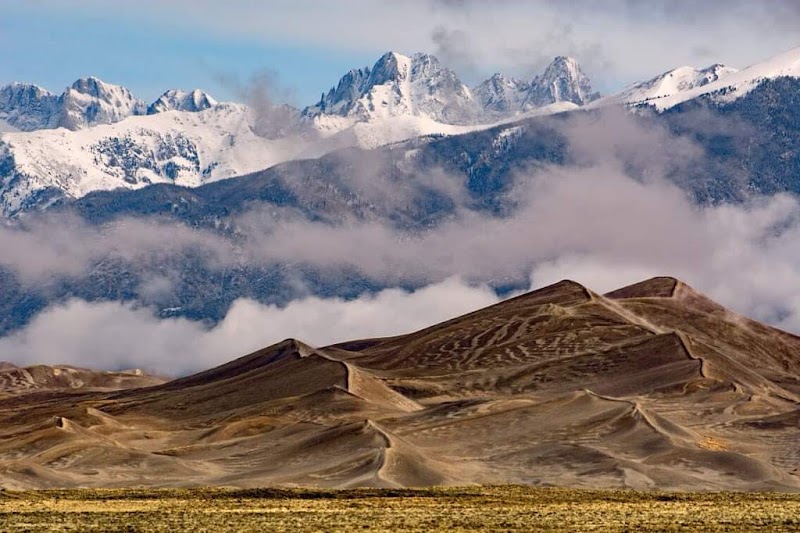
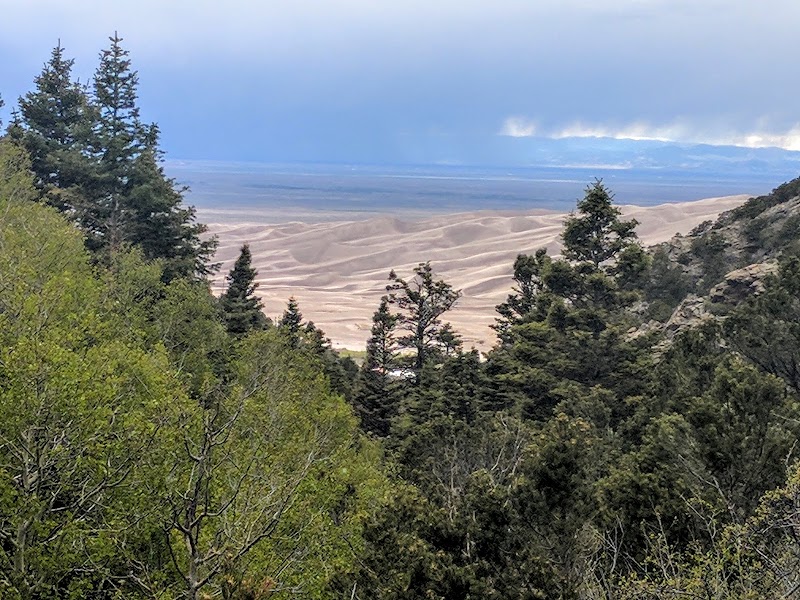
Mosca Pass in the heart of Colorado offers a unique blend of ecosystems, showcasing the transition from lush alpine forests to expansive dunes. Located in the majestic San Luis Valley, this area presents an extraordinary opportunity for outdoor enthusiasts who crave diversity in their adventures. The defining feature of Mosca Pass is its location at the edge of Great Sand Dunes National Park, where towering dunes meet verdant conifer forests—creating a landscape unlike any other.
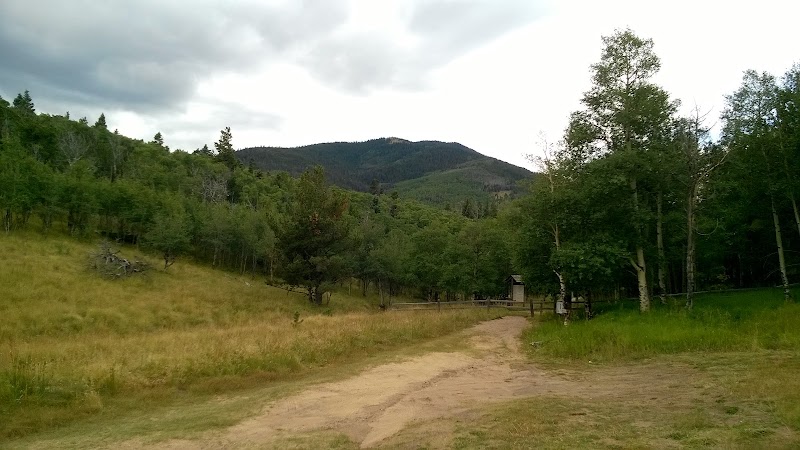
The pass itself serves as a natural corridor through the Sangre de Cristo Mountains, and its trails are lined with beautiful aspen and fir trees. Unique local wildlife, including mule deer and various birds of prey, often make appearances in this untouched sanctuary. Historically, Mosca Pass has served as a passageway for indigenous peoples, Spanish explorers, and settlers, adding layers of historical intrigue to its natural beauty. A hike through Mosca Pass is not only a journey in elevation but a trip through time, connecting you with the region's rich past.
What sets Mosca Pass apart is its dual identity—being part of the lush mountain range while offering views of the nearby sublime sand dunes. This compelling juxtaposition highlights the geological and ecological marvels of Colorado, making Mosca Pass a must-visit destination for those seeking both visual and physical thrills.
Adventure Guide
Adventure Guide to Mosca Pass
-
Hiking the Mosca Pass Trail
- What makes it special: A moderate trail offering spectacular mountain views and glimpses of the Great Sand Dunes from above.
- Key features: Well-maintained paths through diverse flora; historical significance as a historic route.
- Local Insights: The trail was historically used by Native Americans and early explorers; it connects you to Colorado's storied past.
- Visitor Tips: Best visited in spring and fall to avoid summer heat. Bring plenty of water and a GPS device.
-
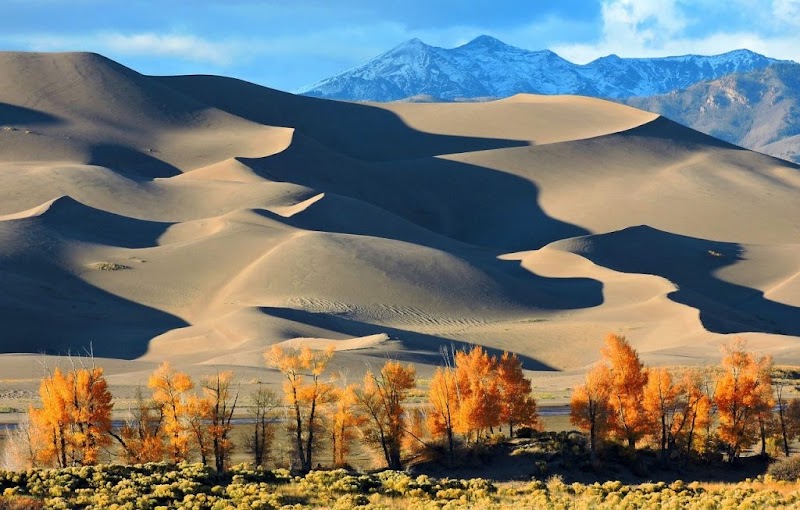
Exploring Great Sand Dunes National Park
- What makes it special: Features the tallest sand dunes in North America.
- Key features: Opportunities for sandboarding and sledding on the dunes.
- Local Insights: The dunes were formed by wind and water, offering a unique ecosystem to explore.
- Visitor Tips: Visit early morning or late afternoon for the best light and cooler temperatures.
-
Wildlife Watching at San Luis Valley
- What makes it special: A hotspot for bird watching and encountering diverse wildlife.
- Key features: Over 300 species of birds, including seasonal sandhill cranes.
- Local Insights: The valley acts as a natural oasis for migrating birds.
- Visitor Tips: Bring binoculars and a bird guidebook. Ideal times are during the spring and fall migrations.
Visitor Tips
- Best Times:Spring and Fall for favorable conditions and optimal lighting.
- What to Bring:Plenty of water, sun protection, a camera, and respectful Leave-No-Trace mindset.