About this landmark
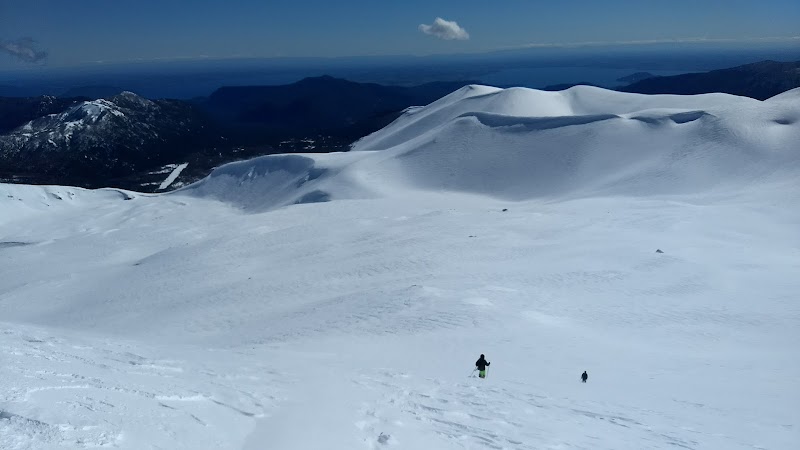
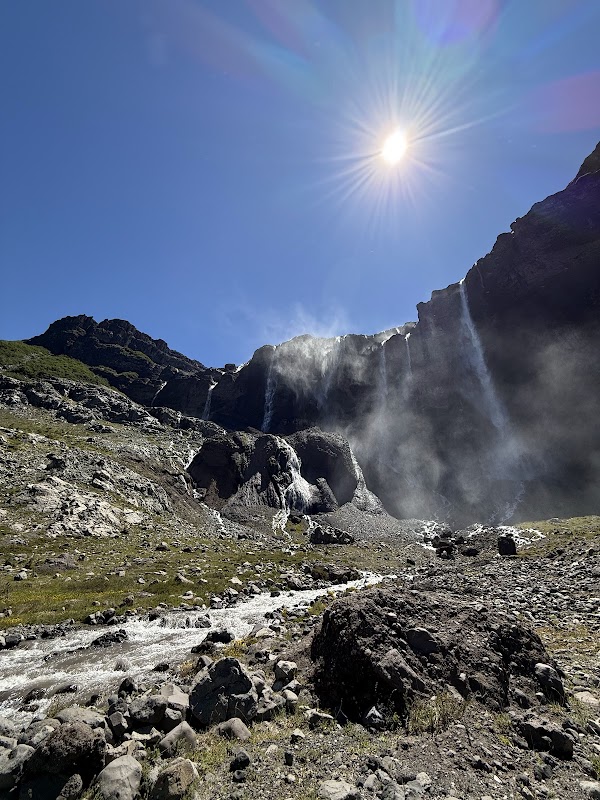
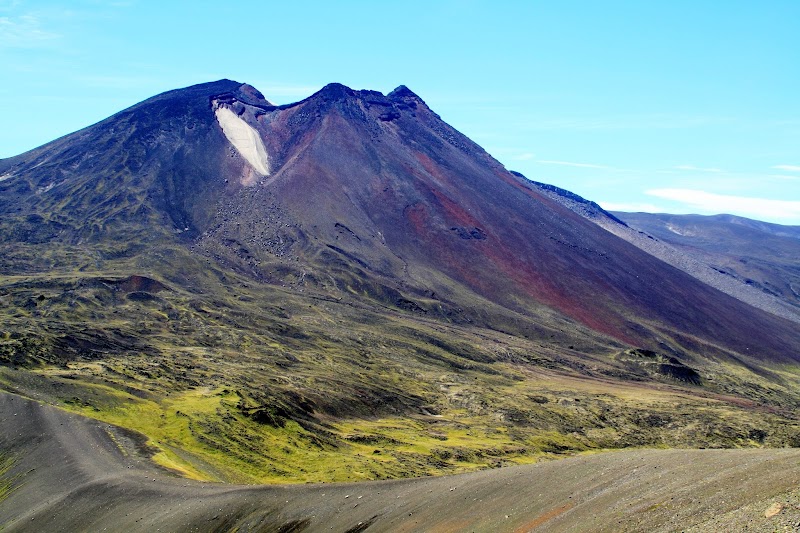
Casablanca, situated in the Los Lagos region of Chile near Puyehue, presents a stunning natural volcanic mountain landscape that captivates travelers looking for remarkable outdoor scenery. This area is distinguished by its rugged volcanic peaks, including remnants of lava flows and ash deposits that paint the mountainside in deep earthy tones with unique reddish and charcoal hues. The wide slopes and distinct rocky textures are indicative of the region’s volcanic activity, notably associated with the nearby Puyehue-Cordón Caulle volcanic complex. This geological formation creates a dramatic and impressive backdrop, rare to find in this part of southern Chile.
The vegetation around Casablanca includes patches of resilient alpine flora adapted to the volcanic soil, offering a glimpse into the ecosystem's ability to thrive in seemingly harsh conditions. Visitors can appreciate the vast expanses of volcanic rock interspersed with green areas that contribute to the area's wild and untouched atmosphere. The mountain’s history intertwines with the larger volcanic events in the region, notable for eruptions in recent decades that have shaped both the landscape and local culture, impacting tourism and natural studies alike.
This site enables visitors to witness firsthand the force of nature through unique volcanic features and remarkable terrain diversity. Its accessibility from Puyehue makes Casablanca an attractive destination for those seeking a quieter, less commercialized experience where geological wonders and natural beauty combine without crowding. The wide open sky and natural textures make it a compelling spot for photographers, hikers, and nature enthusiasts interested in volcanic landscapes far from the usual tourist paths.
Adventure Guide
Adventure Guide To Casablanca
Volcanic Hiking Trails
- What makes it special: Trails around Casablanca offer panoramic views of volcanic formations and lava fields, providing a chance to walk on unique geological terrain.
- Key features: Well-marked routes, moderate difficulty, observation points for volcanic craters and ash layers.
- Local insights: Early morning hikes are ideal for cooler weather and better visibility. Guides available for detailed geological explanations.
- Visitor Tips: Wear sturdy hiking boots. Carry water and sun protection. Spring and fall provide mild conditions ideal for trekking.
Landscape Photography
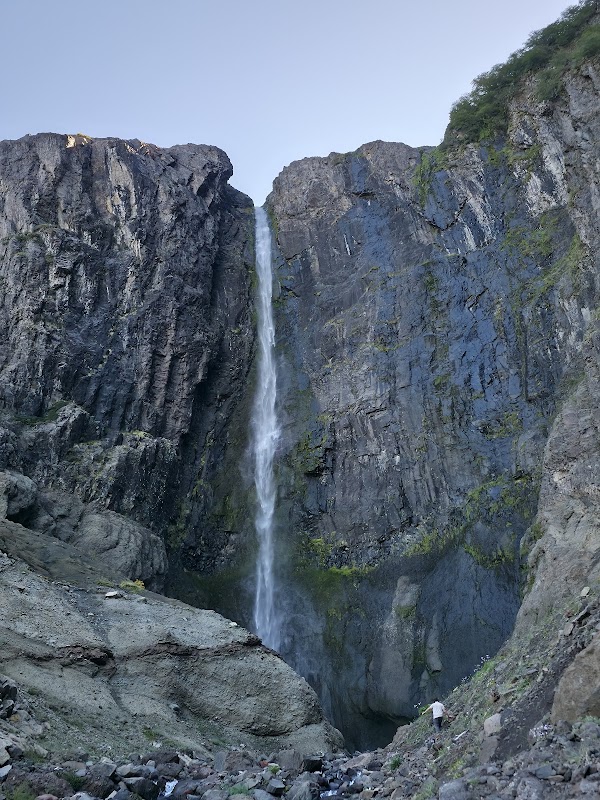
- What makes it special: Casablanca offers a diverse range of volcanic landscapes with dramatic lighting, especially during sunrise and sunset.
- Key features: Vast open spaces, interesting rock formations, and minimal light pollution.
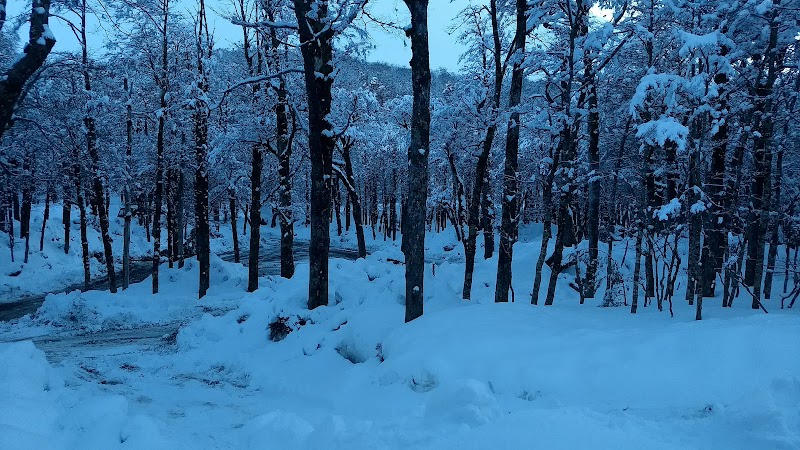
- Local insights: Visit nearby lookout points for panoramic shots. Winter snow on peaks contrasts beautifully with dark volcanic rock.
- Visitor Tips: Bring a tripod and a zoom lens. Cloud cover can shift rapidly, so be prepared for changing conditions.
Nature Observation & Flora Study
- What makes it special: The volcanic soils support hardy plant species adapted to high-altitude and volcanic environments.
- Key features: Alpine shrubs, endemic plants, and occasional sightings of wildlife influenced by the volcanic habitat.
- Local insights: Best visited during spring and summer when vegetation is most vibrant.
- Visitor Tips: Respect the natural surroundings and avoid interfering with fragile plants. Use a plant guidebook or app for identification.
Getting There
- Casablanca is approximately a 2 to 3-hour drive from Puerto Montt, requiring travel on paved and gravel roads. Renting a vehicle is recommended for flexibility and ease of access.
Visitor Tips
- Best Times:Spring and Fall for favorable conditions and optimal lighting.
- What to Bring:Plenty of water, sun protection, a camera, and respectful Leave-No-Trace mindset.