THE ADVENTURE COLLECTIVE® · Independent discovery and booking for outdoor travel

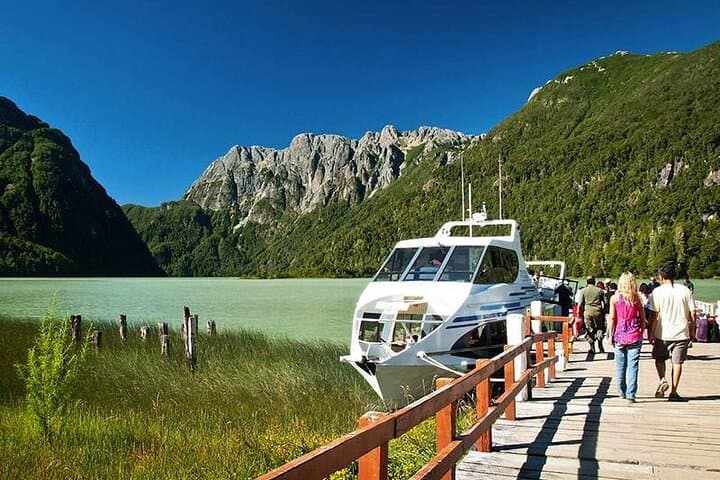
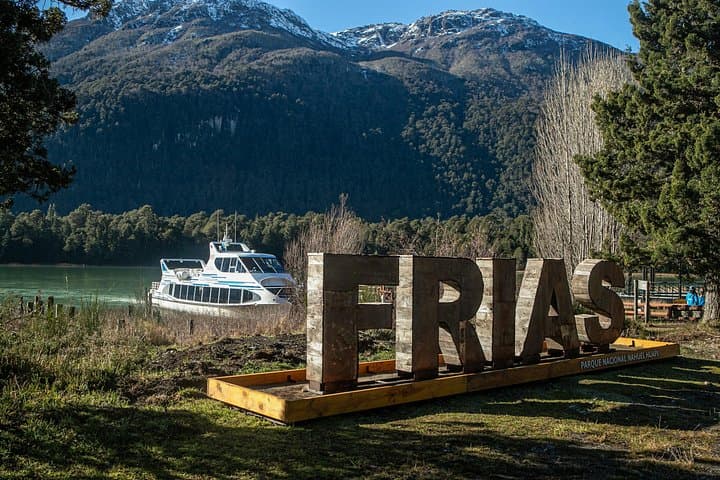
Sail across Nahuel Huapi to Puerto Blest, then follow a guide through Valdivian forest to the base of Los Cántaros waterfall. Optional Lago Frías extension adds a glacier-fed panorama beneath Cerro Tronador.
Sail across Nahuel Huapi to Puerto Blest, then follow a guide through Valdivian forest to the base of Los Cántaros waterfall. Optional Lago Frías extension adds a glacier-fed panorama beneath Cerro Tronador.
A low-hung morning mist parts as the boat slips off Puerto Pañuelo, the Nahuel Huapi waters opening like a road through forested ribcages of coihue and Patagonian cypress. The hull’s wake draws a silver line toward Centinela Island, where the guide points out the grave of explorer Francisco Moreno and the valley exhales—wet, green, alive.
Verified experiences and guided adventures in the surrounding area.
Operated by Tangol · Puerto Blest, Río Negro
A low-hung morning mist parts as the boat slips off Puerto Pañuelo, the Nahuel Huapi waters opening like a road through forested ribcages of coihue and Patagonian cypress. The hull’s wake draws a silver line toward Centinela Island, where the guide points out the grave of explorer Francisco Moreno and the valley exhales—wet, green, alive.
This route threads history and geology: glaciers sculpted the deep basins of Nahuel Huapi, leaving milky-green glacial lakes like Frías and steep, sediment-rich streams that feed the Cántaros falls. The vegetation here is a Valdivian temperate rainforest microclimate—moss, ferns and ancient larch stand in humid silence. Local culture has long tied lakeside settlements to fishing, guiding and mountain lore; Moreno’s surveys helped create Argentina’s first national park at the turn of the 20th century.
Practical guidance: expect a full day (about nine hours) from Bariloche with multiple short walks over uneven, often wet trails; the waterfall approach is moderate but family-friendly. Bring a waterproof jacket, traction-ready shoes, and layered clothing—the weather can shift from sun to drizzle in an hour. National park entrance fees and small boat embarkment taxes are paid on-site; the Frías Lake extension adds a bus transfer and an extra onboard stretch to reach glacier-fed waters beneath Cerro Tronador.
Timing matters—start early for calmer water and clearer views of Frías’ turquoise color. Stay on marked trails, pack out any trash, and leave room in your itinerary for the slow rhythm of the lake: the best sights are often the ones you notice when you slow down.
easy.
9 hours.
Suitable for travelers in general good health; walking sections are short but include wet, uneven terrain.
No, the Nahuel Huapi national park entrance fee and boat embarkment tax are paid on the day of travel at the meeting point.
Lunch at Puerto Blest is not included—there are lakeside restaurants where you can buy food or bring your own picnic.
The standard shared tour is approximately nine hours round-trip, including boat crossings, guided walks and time for lunch.
The Frías extension includes a short bus transfer from Puerto Blest, an additional boat across glacial-fed Lago Frías and extra viewing time near Cerro Tronador; it lengthens the day and offers unique glacier-colored water vistas.
The area is part of Nahuel Huapi National Park, whose creation was influenced by explorer Francisco Moreno; the park preserves glacial valleys and early conservation efforts in Argentina.
Stick to marked trails and pack out all waste—the Valdivian forest here is fragile and visitors help protect rare species by keeping noise down and not disturbing wildlife.
Tangol operates guided outdoor trips and adventures with an emphasis on safety, stewardship, and memorable experiences.
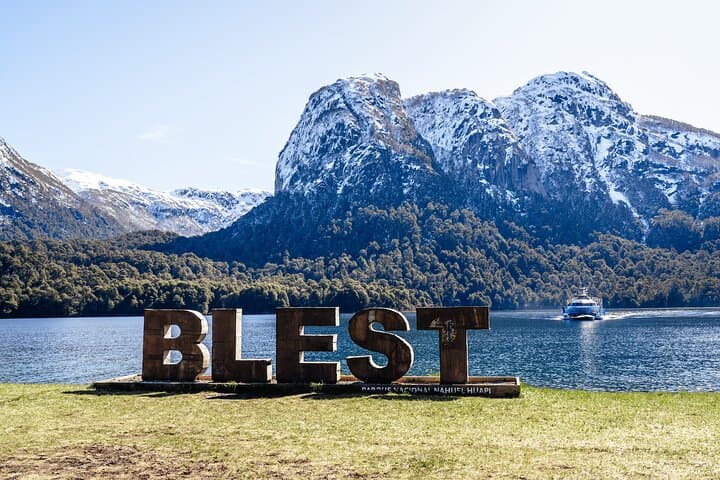
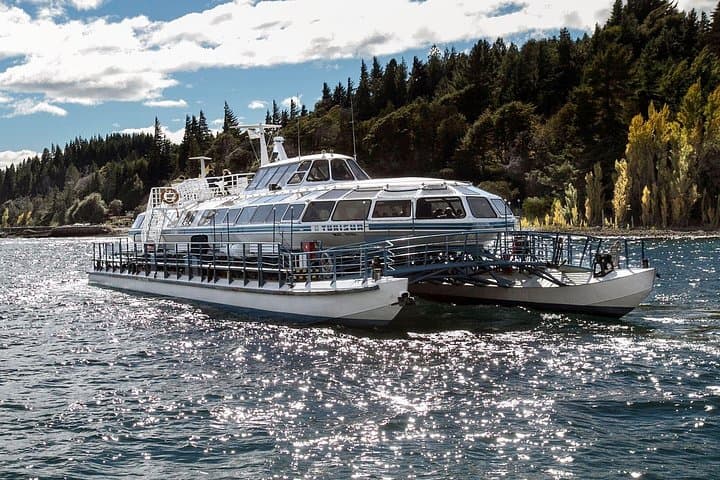
A low-hung morning mist parts as the boat slips off Puerto Pañuelo, the Nahuel Huapi waters opening like a road through forested ribcages of coihue and Patagonian cypress. The hull’s wake draws a silver line toward Centinela Island, where the guide points out the grave of explorer Francisco Moreno and the valley exhales—wet, green, alive.
A low-hung morning mist parts as the boat slips off Puerto Pañuelo, the Nahuel Huapi waters opening like a road through forested ribcages of coihue and Patagonian cypress. The hull’s wake draws a silver line toward Centinela Island, where the guide points out the grave of explorer Francisco Moreno and the valley exhales—wet, green, alive.
This route threads history and geology: glaciers sculpted the deep basins of Nahuel Huapi, leaving milky-green glacial lakes like Frías and steep, sediment-rich streams that feed the Cántaros falls. The vegetation here is a Valdivian temperate rainforest microclimate—moss, ferns and ancient larch stand in humid silence. Local culture has long tied lakeside settlements to fishing, guiding and mountain lore; Moreno’s surveys helped create Argentina’s first national park at the turn of the 20th century.
Practical guidance: expect a full day (about nine hours) from Bariloche with multiple short walks over uneven, often wet trails; the waterfall approach is moderate but family-friendly. Bring a waterproof jacket, traction-ready shoes, and layered clothing—the weather can shift from sun to drizzle in an hour. National park entrance fees and small boat embarkment taxes are paid on-site; the Frías Lake extension adds a bus transfer and an extra onboard stretch to reach glacier-fed waters beneath Cerro Tronador.
Timing matters—start early for calmer water and clearer views of Frías’ turquoise color. Stay on marked trails, pack out any trash, and leave room in your itinerary for the slow rhythm of the lake: the best sights are often the ones you notice when you slow down.