THE ADVENTURE COLLECTIVE® · Independent discovery and booking for outdoor travel

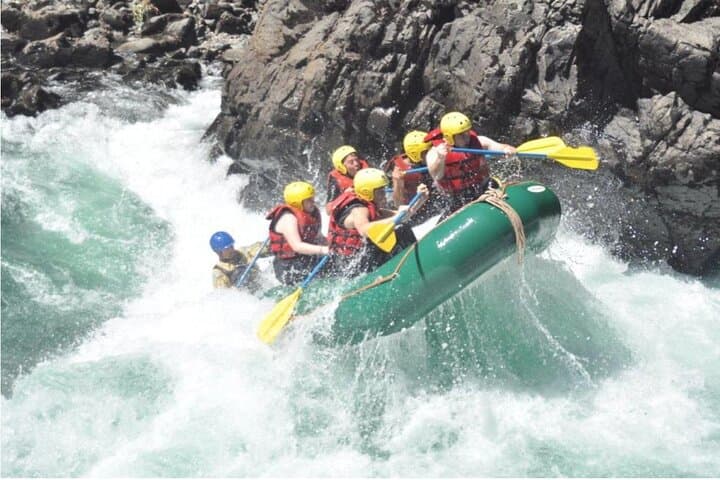
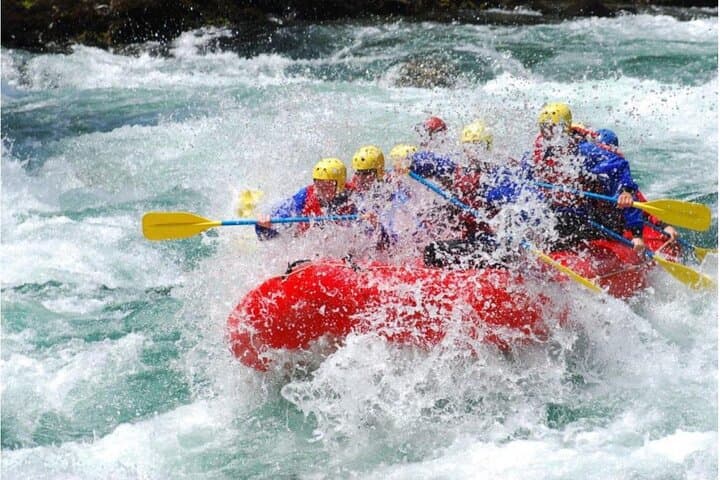
Float past white sand bars, then brace for Class IV rapids as the Manso River pushes you toward the Chilean border. This full-day expedition from Bariloche mixes scenic floats, technical drops, and expert-guided whitewater.
Float past white sand bars, then brace for Class IV rapids as the Manso River pushes you toward the Chilean border. This full-day expedition from Bariloche mixes scenic floats, technical drops, and expert-guided whitewater.
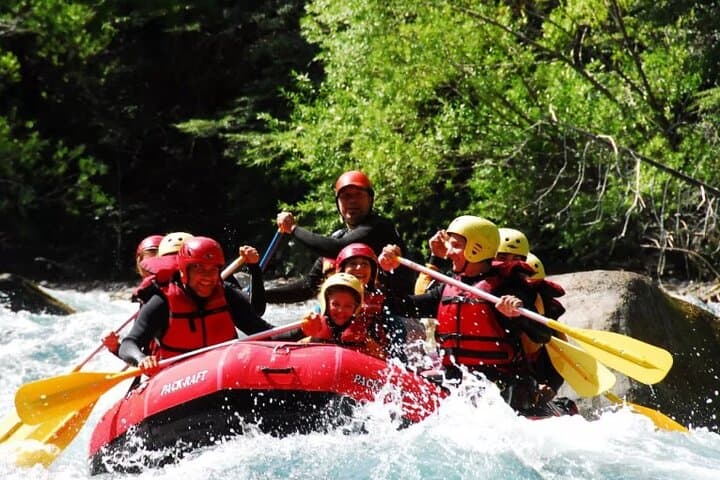
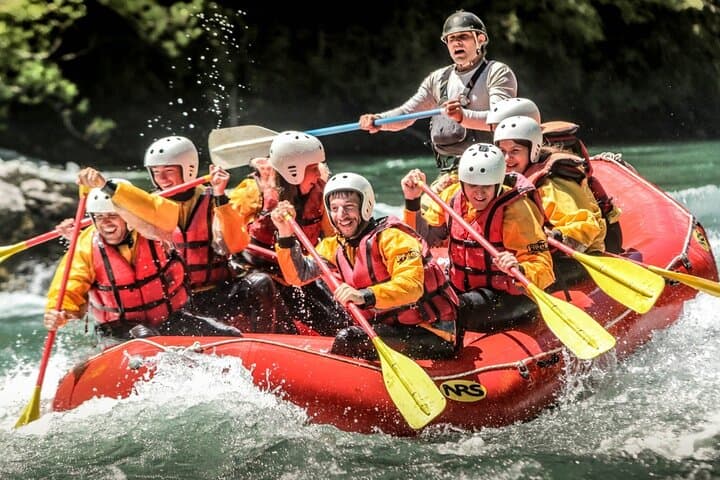
The first paddle stroke cuts through cold, clear water as the valley opens and the forested walls of the Manso press close around your raft. Morning fog lifts from white sand bars while a guide points downstream; the river alternates between calm, wide pools and sudden, churning rapids that demand synchronized effort and quick decisions.
Verified experiences and guided adventures in the surrounding area.
Operated by Que Hacer en Buenos Aires · San Carlos de Bariloche, Río Negro
The first paddle stroke cuts through cold, clear water as the valley opens and the forested walls of the Manso press close around your raft. Morning fog lifts from white sand bars while a guide points downstream; the river alternates between calm, wide pools and sudden, churning rapids that demand synchronized effort and quick decisions.
Geology here is young and restless — volcanic bedrock and glacial deposits shape steep gorges and sudden drops. The Manso runs west from the Nahuel Huapi region toward the Chilean border; the Frontera section finishes at the official border landmark where Argentina’s valley meets Chile’s dense, temperate rainforest. Indigenous Mapuche people traversed these valleys long before recreational rafting arrived, and the area sits within the broader Nahuel Huapi landscape, protected for its freshwater and forest ecosystems.
On a typical full-day trip (about 10 hours door-to-door), expect an early hotel pickup from Bariloche, a riverside coffee, and operator-supplied neoprene boots, wetsuit, and waterproof jacket. River sections range from calm exploratory floats to Class IV rapids that test teamwork and focus. Guides coach paddle commands and safety moves continuously.
Practical tips: wear quick-dry layers under the provided wetsuit, bring a small waterproof camera or dry bag, and hydrate well before launch. This trip is best for people in good general fitness; it’s not recommended for pregnant travelers or those with serious back or heart conditions. Timing your visit for late spring-summer gives higher flows; autumn offers clearer skies and cooler water.
challenging.
10 hours (full day).
Moderate to high fitness: you should be comfortable paddling and able to brace and re-enter a raft if needed.
The guided river portion includes calm floats and multiple rapids within a full-day itinerary; expect several hours on water within a roughly 10-hour door-to-door tour.
Participants should have moderate fitness and be comfortable following guide commands; prior whitewater experience is helpful but not required for guided Class IV runs.
Yes—operators typically supply a wetsuit, neoprene boots, waterproof jacket, helmet, and life jacket; bring personal base layers and socks.
Not recommended for pregnant travelers or those with serious spinal, back, or cardiovascular conditions; operators often require minimum ages and health screening at booking.
The Manso flows through lands long traversed by indigenous Mapuche communities and later mapped during Argentine–Chilean boundary surveys; the Frontera section marks a historic frontier between the two countries.
This stretch lies within the Nahuel Huapi landscape and downstream waters that rely on low-impact access; follow Leave No Trace, avoid disturbing riverbanks, and use operator-approved launch sites.
Que Hacer en Buenos Aires operates guided outdoor trips and adventures with an emphasis on safety, stewardship, and memorable experiences.
The first paddle stroke cuts through cold, clear water as the valley opens and the forested walls of the Manso press close around your raft. Morning fog lifts from white sand bars while a guide points downstream; the river alternates between calm, wide pools and sudden, churning rapids that demand synchronized effort and quick decisions.
The first paddle stroke cuts through cold, clear water as the valley opens and the forested walls of the Manso press close around your raft. Morning fog lifts from white sand bars while a guide points downstream; the river alternates between calm, wide pools and sudden, churning rapids that demand synchronized effort and quick decisions.
Geology here is young and restless — volcanic bedrock and glacial deposits shape steep gorges and sudden drops. The Manso runs west from the Nahuel Huapi region toward the Chilean border; the Frontera section finishes at the official border landmark where Argentina’s valley meets Chile’s dense, temperate rainforest. Indigenous Mapuche people traversed these valleys long before recreational rafting arrived, and the area sits within the broader Nahuel Huapi landscape, protected for its freshwater and forest ecosystems.
On a typical full-day trip (about 10 hours door-to-door), expect an early hotel pickup from Bariloche, a riverside coffee, and operator-supplied neoprene boots, wetsuit, and waterproof jacket. River sections range from calm exploratory floats to Class IV rapids that test teamwork and focus. Guides coach paddle commands and safety moves continuously.
Practical tips: wear quick-dry layers under the provided wetsuit, bring a small waterproof camera or dry bag, and hydrate well before launch. This trip is best for people in good general fitness; it’s not recommended for pregnant travelers or those with serious back or heart conditions. Timing your visit for late spring-summer gives higher flows; autumn offers clearer skies and cooler water.