About this landmark
Historic Mosque Architecture at Sixty Dome Mosque in Bagerhat
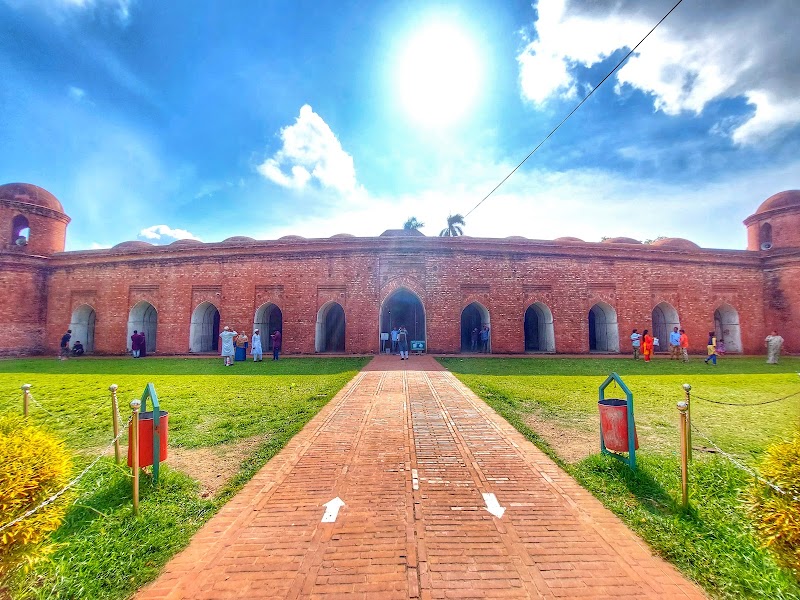
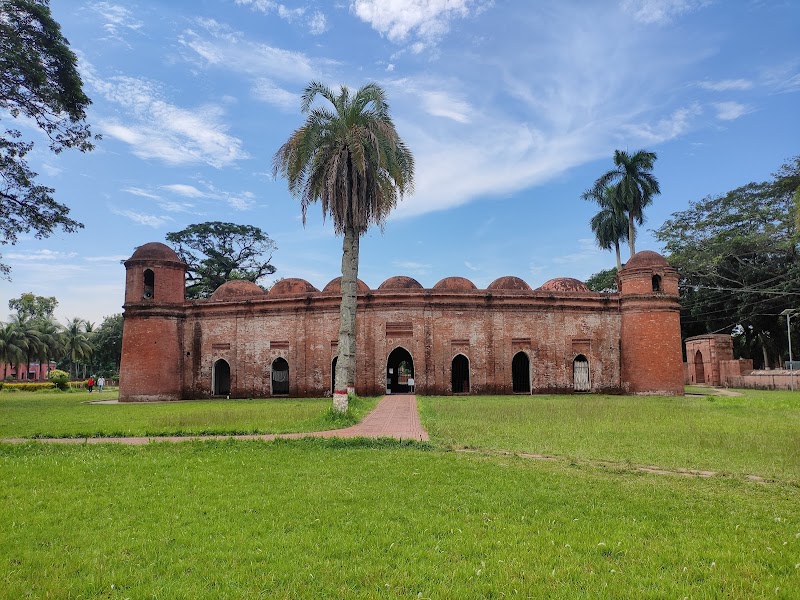
Sixty Dome Mosque is a renowned historical mosque located near Bagerhat in the Khulna Division of Bangladesh. Known locally as Shat Gombuj Masjid, this mosque is famed for its impressive architectural design featuring a vast number of domes – more than sixty, with the actual count being around seventy-seven. It was completed in 1459 and remains one of the most significant Islamic monuments in the region.
The mosque’s key feature is its distinctive multi-domed roof constructed using red brick, a common building material in this area. The domes rest on massive stone pillars carved with intricate details, supporting the weight of the expansive structure while giving the interior a serene and spacious feeling. The mosque’s walls show delicate, yet robust, brick craftsmanship, making it a unique example of medieval Islamic architecture in South Asia.
While man-made, the mosque’s location within a green open landscape nearby palm trees and tropical flora adds to its aesthetic and cultural importance. It also serves as a spiritual center that echoes centuries of religious history and architectural ingenuity. The mosque was designated as a UNESCO World Heritage Site due to its historical and architectural significance. Visitors here often enjoy the calm atmosphere, ancient artistry, and the glimpse into the religious and cultural heritage of Bengal in the 15th century.
This landmark stands out in Bangladesh for its rarity and scale, inviting history lovers and cultural visitors who appreciate artistry that has endured through centuries.
Adventure Guide
Adventure Guide To Sixty Dome Mosque
1. Cultural Walk Around Bagerhat
- What Makes It Special: Wander the historic town of Bagerhat, surrounding the mosque, to absorb the ambiance of a medieval urban setting dotted with ancient Islamic sites.
- Key Features: Explore ancient mosques, tombs, and nearby historical monuments woven into the local landscape.
- Local Insights: Bagerhat was once a thriving medieval city founded by the Muslim saint Khan Jahan Ali, making it a treasure trove of Islamic architecture.
- Visitor Tips: Wear comfortable walking shoes; early mornings or late afternoons provide ideal lighting for photography and fewer crowds.
2. Bird Watching and Nature Observation
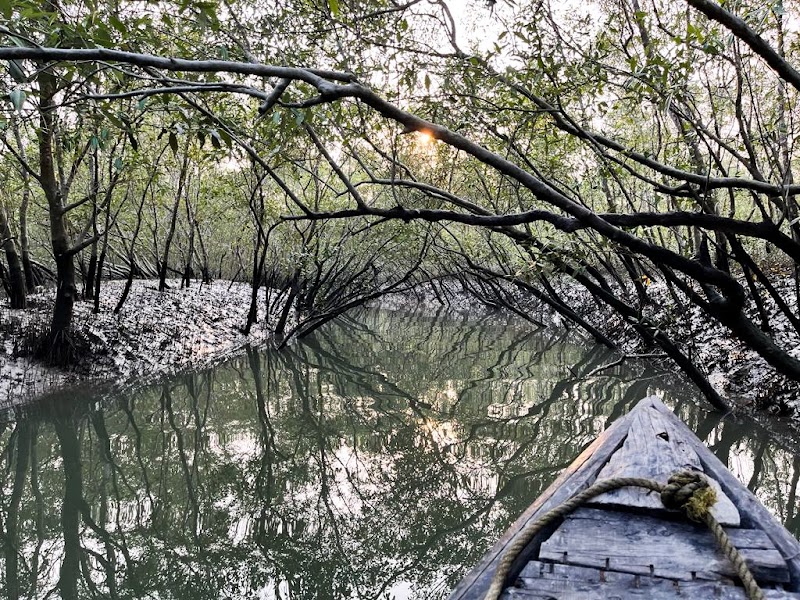
- What Makes It Special: The mosque’s location near mangroves and green spaces offers excellent opportunities for bird watching, especially tropical species.
- Key Features: Watch local and migratory birds amid coconut palms and lush greenery.
- Local Insights: Nearby Sundarbans mangrove forest is a UNESCO site and a habitat for numerous bird species.
- Visitor Tips: Bring binoculars and insect repellent; visit during cooler months (November to February).
3. Heritage Photography Expeditions
- What Makes It Special: The unique domes, brickwork, and surrounding natural greenery make for compelling photographic subjects.
- Key Features: Capture symmetrical arches, stone pillars, and play of light and shadow inside the mosque.
- Local Insights: The red bricks and carved stone interiors reflect medieval construction techniques rarely seen today.
- Visitor Tips: Best light is during the golden hours (early morning or late afternoon). Respect praying visitors by keeping noise low and photography discreet.
Practical Information
- Best Time to Visit: Cooler months from November to March.
- What to Bring: Comfortable walking shoes, sunscreen, water bottle, camera, and sunhat.
- Getting There: Bagerhat is approximately a 4-5 hour drive from Dhaka. By road, take the N7 highway south from Dhaka toward Khulna, then follow local signage to Bagerhat and the mosque. Local buses and hired cars are common options.
Visitor Tips
- What to Bring:Plenty of water, sun protection, a camera, and respectful Leave-No-Trace mindset.