THE ADVENTURE COLLECTIVE® · Independent discovery and booking for outdoor travel

Board a small boat from Khulna and thread narrow tidal creeks through the Sundarbans on a three-day voyage. Visit Harbaria, Katka, Dublar Char and Karamjol while birding, beaching and cruising mangrove channels with local guides.
Board a small boat from Khulna and thread narrow tidal creeks through the Sundarbans on a three-day voyage. Visit Harbaria, Katka, Dublar Char and Karamjol while birding, beaching and cruising mangrove channels with local guides.
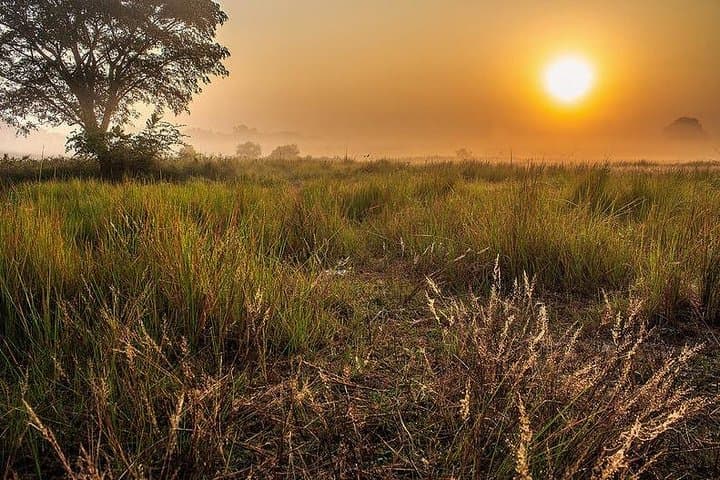
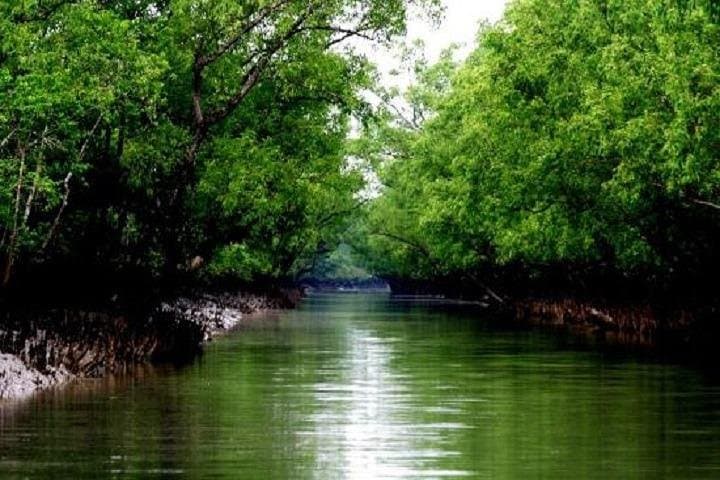
You push off from Khulna before sunrise and the river narrows into a green corridor: black water threading under root tangles, salt air cutting through warm, humid air. The boat hums; fishermen fade to silhouettes. Harbaria’s watchtower rises above mangrove crowns and the first brahminy kites begin to circle.
Verified experiences and guided adventures in the surrounding area.
Operated by Parjatak Tours (Dhaka City) · Khulna, Khulna Division
You push off from Khulna before sunrise and the river narrows into a green corridor: black water threading under root tangles, salt air cutting through warm, humid air. The boat hums; fishermen fade to silhouettes. Harbaria’s watchtower rises above mangrove crowns and the first brahminy kites begin to circle.
The Sundarbans are the world’s largest mangrove forest, sculpted by the Ganges-Brahmaputra-Meghna delta and protected as a UNESCO site. Tidal currents carve the channels nightly; silt builds islands that shift with storms and seasons. Local communities have a long history of honey-gathering, fishing, and living with the reserve’s strict protections and frequent human-wildlife tension.
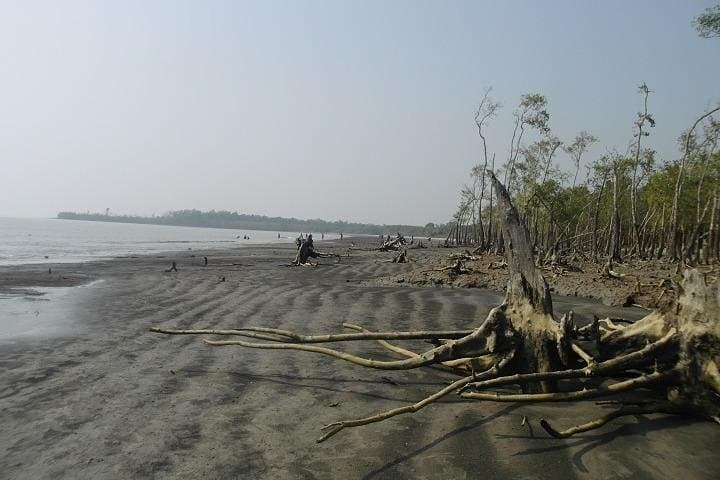
Over three days you’ll move from wide estuaries into tight creeks, visiting Harbaria, Katka, Jamtola beach, Kochikhali, Dublar Char and Karamjol. Expect mudflats and sandbanks at low tide, dense prop-root forests at high tide, and thin tracks where spotlit night safaris reveal nocturnal life.
Practical notes: accommodations are aboard a boat with two nights included; bring motion-stable clothing, dry bags for electronics and a charged power bank. Guides know the tidal schedule and will time creek passages—follow instructions around shore landings and small-boat transfers. Wildlife sightings are unpredictable: birding and estuarine crocodiles are common; tiger sightings are rare but the risk profile of the area requires attentive guides and sensible behavior.
Plan for early departures and hot, humid days; avoid single travel into unmarked channels and minimize plastic waste to reduce impact in this fragile, shifting ecosystem.
moderate.
3 days.
Suitable for travelers with basic mobility who can manage short shore walks, boarding ladders and a few uneven paths.
November–February (cool, dry season) and October–November (post-monsoon visibility) offer the most comfortable conditions and reliable wildlife viewing.
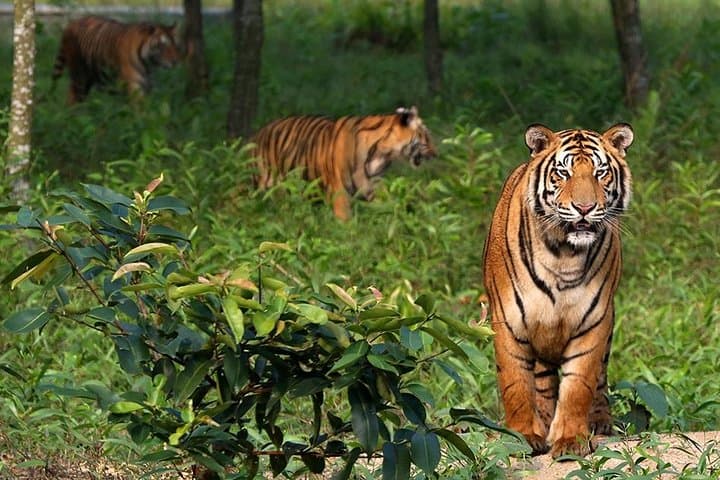
Tigers live in the Sundarbans but sightings are rare; most travelers will see birds, estuarine crocodiles and deer while tiger encounters are exceptional and unpredictable.
Many organized tours include protected-area admission; confirm with your operator and carry ID—individual permits are required for some forest zones.
The trip is suitable for most fitness levels but involves boarding ladders, short uneven shore walks and night boat movement; consult the operator about mobility needs and avoid if pregnant or with serious heart conditions.
The Sundarbans formed from sediment deposited by the Ganges-Brahmaputra-Meghna system; communities here have long practiced honey collection and estuarine fishing under evolving conservation rules.
Rising sea levels, erosion and human-wildlife conflict threaten the Sundarbans; travel with licensed guides, avoid single-use plastics and follow local rules to minimize impact.
Parjatak Tours (Dhaka City) operates guided outdoor trips and adventures with an emphasis on safety, stewardship, and memorable experiences.
You push off from Khulna before sunrise and the river narrows into a green corridor: black water threading under root tangles, salt air cutting through warm, humid air. The boat hums; fishermen fade to silhouettes. Harbaria’s watchtower rises above mangrove crowns and the first brahminy kites begin to circle.
You push off from Khulna before sunrise and the river narrows into a green corridor: black water threading under root tangles, salt air cutting through warm, humid air. The boat hums; fishermen fade to silhouettes. Harbaria’s watchtower rises above mangrove crowns and the first brahminy kites begin to circle.
The Sundarbans are the world’s largest mangrove forest, sculpted by the Ganges-Brahmaputra-Meghna delta and protected as a UNESCO site. Tidal currents carve the channels nightly; silt builds islands that shift with storms and seasons. Local communities have a long history of honey-gathering, fishing, and living with the reserve’s strict protections and frequent human-wildlife tension.
Over three days you’ll move from wide estuaries into tight creeks, visiting Harbaria, Katka, Jamtola beach, Kochikhali, Dublar Char and Karamjol. Expect mudflats and sandbanks at low tide, dense prop-root forests at high tide, and thin tracks where spotlit night safaris reveal nocturnal life.
Practical notes: accommodations are aboard a boat with two nights included; bring motion-stable clothing, dry bags for electronics and a charged power bank. Guides know the tidal schedule and will time creek passages—follow instructions around shore landings and small-boat transfers. Wildlife sightings are unpredictable: birding and estuarine crocodiles are common; tiger sightings are rare but the risk profile of the area requires attentive guides and sensible behavior.
Plan for early departures and hot, humid days; avoid single travel into unmarked channels and minimize plastic waste to reduce impact in this fragile, shifting ecosystem.