THE ADVENTURE COLLECTIVE® · Independent discovery and booking for outdoor travel

A four-day expedition from Dhaka into the Sundarbans combines boat cruises, short mangrove trails and cultural stops in Khulna and Bagerhat. Expect tidal creeks, birdlife, a crocodile farm visit and simple onboard meals while traveling deeper into the world's largest mangrove forest.
A four-day expedition from Dhaka into the Sundarbans combines boat cruises, short mangrove trails and cultural stops in Khulna and Bagerhat. Expect tidal creeks, birdlife, a crocodile farm visit and simple onboard meals while traveling deeper into the world's largest mangrove forest.
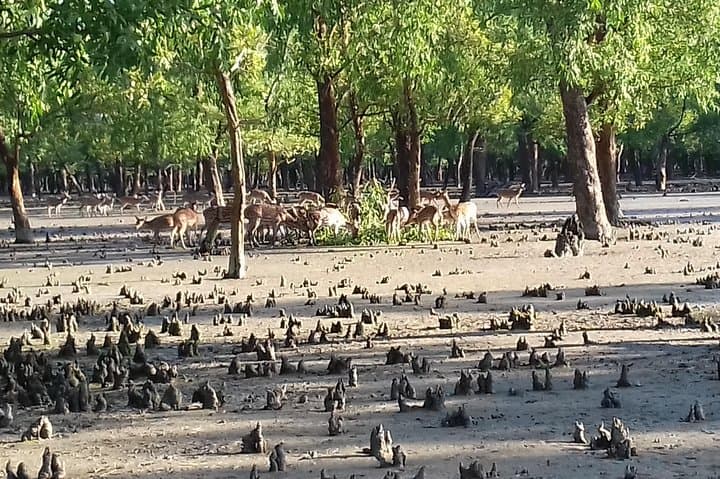
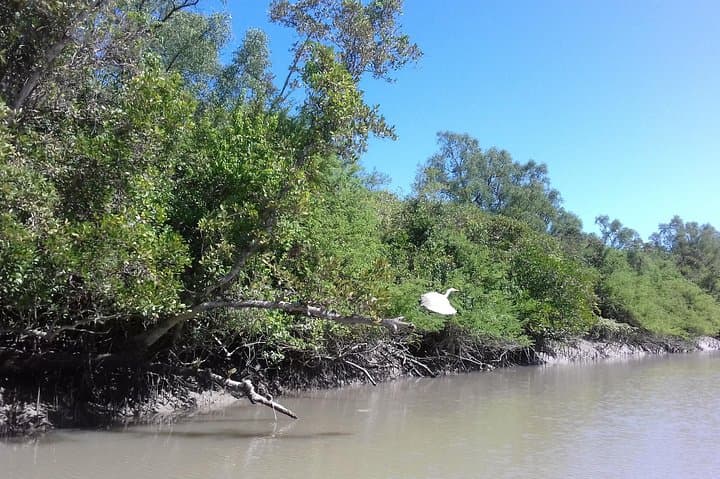
You push off before dawn from a low jetty near Khulna, the paddle-steamer easing into a maze of tidal creeks. Mangrove roots rise like gnarled hands as an oystercatcher flashes past; the river seems to dare you forward, the current nudging the hull deeper into salt-scented quiet.
Verified experiences and guided adventures in the surrounding area.
Operated by Charming Bangladesh · Khulna, Khulna Division
You push off before dawn from a low jetty near Khulna, the paddle-steamer easing into a maze of tidal creeks. Mangrove roots rise like gnarled hands as an oystercatcher flashes past; the river seems to dare you forward, the current nudging the hull deeper into salt-scented quiet.
The Sundarbans are the low, shifting edge of the Ganges-Brahmaputra delta — a living landscape of mud, mangrove and tidal channels shaped by centuries of sediment. Declared a UNESCO World Heritage Site, the forest supports shrimp, crabs and the occasional Bengal tiger that moves like a rumor through the thickets. Human history here is visible too: nearby Bagerhat’s 60 Dome Mosque and coastal shrines speak to the region’s medieval trade and spiritual life.
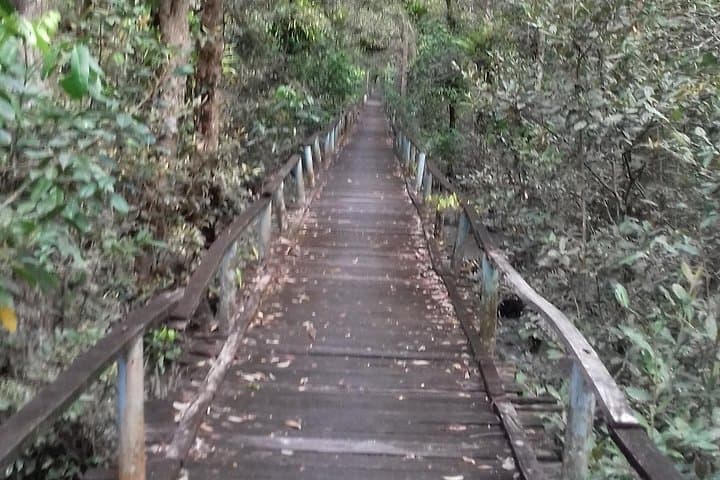
This 4-day itinerary starts with a road transfer from Dhaka to Khulna, short cultural stops (60 Dome Mosque, Khan Jahan’s shrine), then a multi-day boat expedition into the core Sundarbans. Days alternate boat cruising and short foot trails to lookout points, a visit to a crocodile farm, and a beach walk where the estuary meets the sea.
Practical guidance: bring sturdy, quick-dry footwear for muddy trails and low-tide walks; insect repellent, sunscreen and a brimmed hat are essential; seasickness meds help on narrow channels. Fitness should be moderate — expect short hikes, boarding small boats, and uneven ground. Respect local rules: stay with guides, avoid littering and flash photography near wildlife. The trip is an immersive, physically honest way to experience one of the planet’s largest mangrove systems while supporting local guides and community-based tourism.
moderate.
4 days.
Moderate — able to board small boats, walk 30–60 minutes on uneven, muddy trails and handle basic camping/boat life.
This itinerary uses a reserved car transfer from Dhaka to Khulna (overnight road travel), then a vessel from Mongla/Khulna into the Sundarbans.
No — tigers are elusive. Sightings are rare; the trip is best for birdlife, estuarine ecology and the landscape rather than guaranteed tiger encounters.
The tour requires moderate fitness and boat boarding; infants may sit on laps but travelers with serious back, heart, or pregnancy-related conditions are not recommended.
Meals (brunch and snacks) and night stays are included as described; expect simple, local-style accommodations and onboard sleeping on the vessel for the forest nights.
The Sundarbans formed from sediment deposited by the Ganges-Brahmaputra river system; nearby Bagerhat reflects medieval Islamic architecture from the 15th century.
The Sundarbans face pressures from climate change, salinity intrusion and resource use; stick to marked routes, avoid single-use plastics and support licensed local guides to minimize impact.
Charming Bangladesh operates guided outdoor trips and adventures with an emphasis on safety, stewardship, and memorable experiences.
You push off before dawn from a low jetty near Khulna, the paddle-steamer easing into a maze of tidal creeks. Mangrove roots rise like gnarled hands as an oystercatcher flashes past; the river seems to dare you forward, the current nudging the hull deeper into salt-scented quiet.
You push off before dawn from a low jetty near Khulna, the paddle-steamer easing into a maze of tidal creeks. Mangrove roots rise like gnarled hands as an oystercatcher flashes past; the river seems to dare you forward, the current nudging the hull deeper into salt-scented quiet.
The Sundarbans are the low, shifting edge of the Ganges-Brahmaputra delta — a living landscape of mud, mangrove and tidal channels shaped by centuries of sediment. Declared a UNESCO World Heritage Site, the forest supports shrimp, crabs and the occasional Bengal tiger that moves like a rumor through the thickets. Human history here is visible too: nearby Bagerhat’s 60 Dome Mosque and coastal shrines speak to the region’s medieval trade and spiritual life.
This 4-day itinerary starts with a road transfer from Dhaka to Khulna, short cultural stops (60 Dome Mosque, Khan Jahan’s shrine), then a multi-day boat expedition into the core Sundarbans. Days alternate boat cruising and short foot trails to lookout points, a visit to a crocodile farm, and a beach walk where the estuary meets the sea.
Practical guidance: bring sturdy, quick-dry footwear for muddy trails and low-tide walks; insect repellent, sunscreen and a brimmed hat are essential; seasickness meds help on narrow channels. Fitness should be moderate — expect short hikes, boarding small boats, and uneven ground. Respect local rules: stay with guides, avoid littering and flash photography near wildlife. The trip is an immersive, physically honest way to experience one of the planet’s largest mangrove systems while supporting local guides and community-based tourism.