About this landmark
Mount Bogong: Apex of Victoria's Great Dividing Range
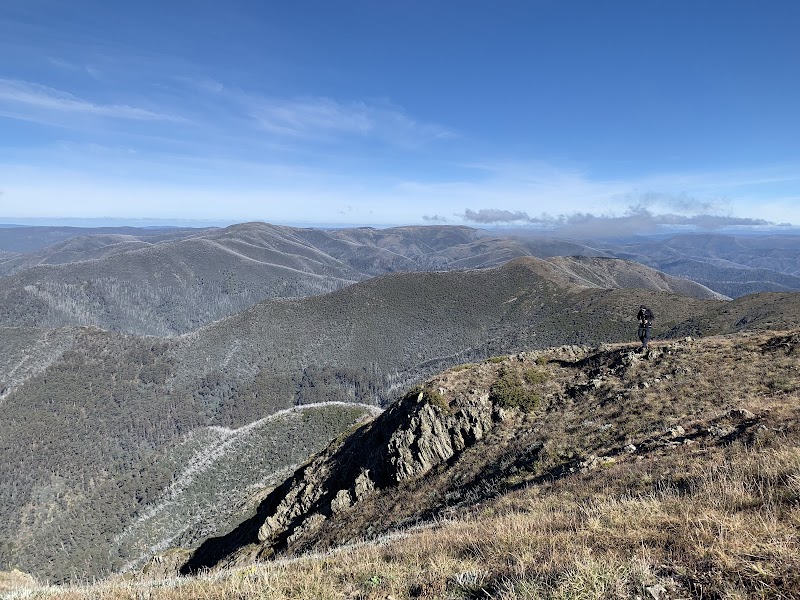
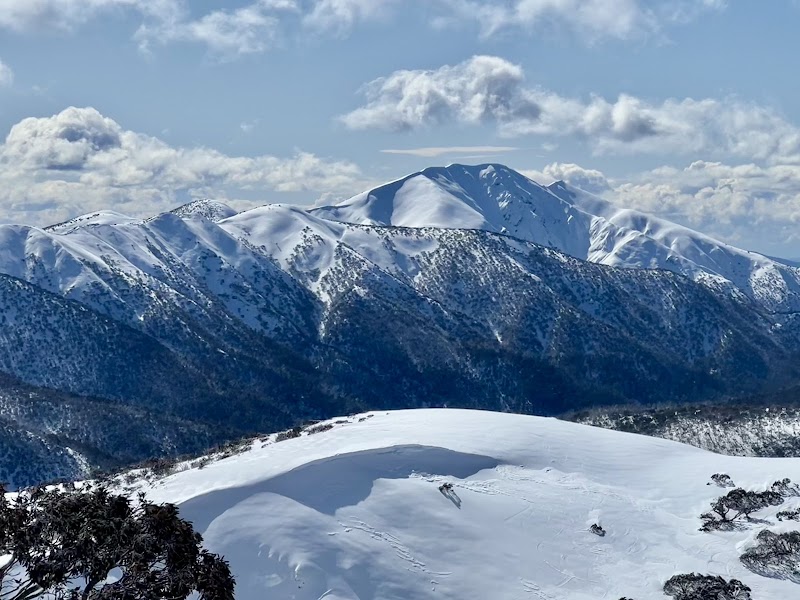
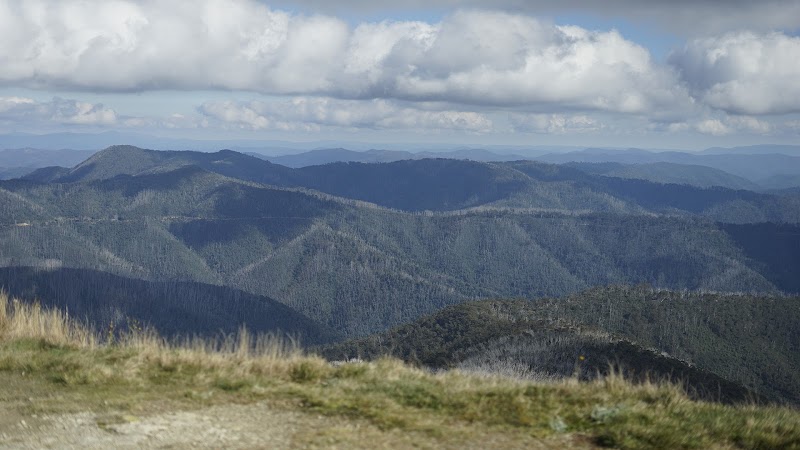
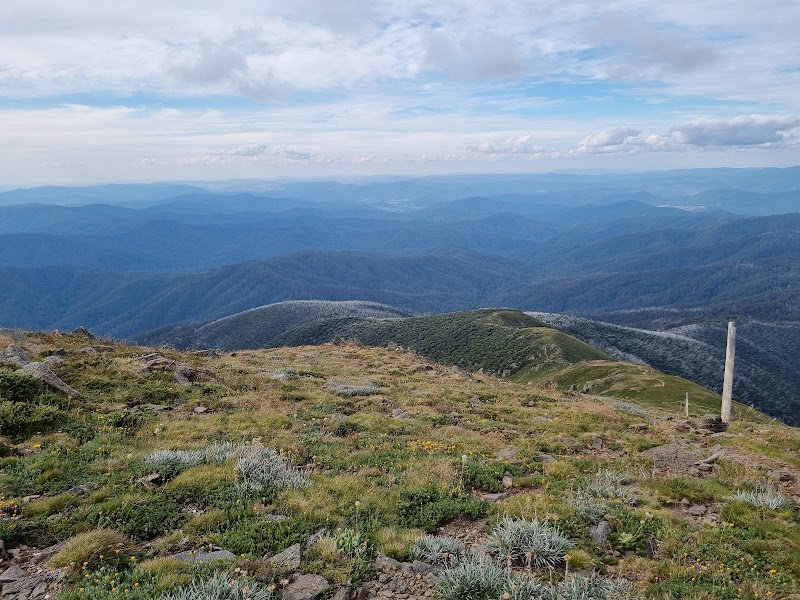
Mount Bogong, situated near the charming town of Tawonga in the Victorian Alps, is the highest peak in Victoria, Australia. Towering majestically at 1,986 meters, this landmark is a natural marvel, offering spectacular panoramic views of lush valleys and rugged ridgelines. Known for its diverse climates, from snow-capped peaks in winter to vibrant greens in summer, Mount Bogong presents unique opportunities for adventurers and nature lovers alike.
A distinct feature of this region is the rare occurrence of Alpine wildflowers during the summer months, painting the landscape in bursts of color. Aside from the flora, the mountain is home to a variety of wildlife, including the elusive Feral Deer, and a plethora of bird species.
Historically, Mount Bogong holds cultural significance for the Indigenous Australians, known as 'Big Fella' in local Indigenous language. Its significance is woven into local legends, symbolizing a place of spiritual importance.
Whether it's the challenge of ascending Victoria's tallest peak or the serene experience of connecting with nature, Mount Bogong stands as an exceptional destination for outdoor enthusiasts. Its vastness, ecological diversity, and cultural stories make it a standout landmark and a must-visit for those exploring Australia's alpine regions.
Adventure Guide
Adventure Guide to Mount Bogong
1. Mount Bogong Summit Hike
- Special Features: Challenging trails with unbeatable views.
- Details: Multiple routes, with the Staircase Spur being popular for its direct climb.
- Visitor Tips: Best in summer; pack layers and plenty of water.
2. Ropers Lookout
- Special Features: Offers breathtaking vantage points.
- Details: A shorter, moderate hike perfect for photography.
- Visitor Tips: Visit at sunrise or sunset for magnificent lighting.
3. Alpine Wildflower Viewing
- Special Features: Rare Alpine wildflowers bloom in summer.
- Details: Best experienced on a leisurely walk through the highlands.
- Visitor Tips: Bring a field guide to fully appreciate the flora diversity.
Local Insights
- Cultural Note: A place of spiritual significance to Indigenous Australians.
- Best Times to Visit: Summer for hiking; winter for snow sports.
- Driving Directions: From Tawonga, a scenic 40-minute drive via Mountain Creek Road.
Visitor Tips
- What to Bring: Hiking boots, sunscreen, and a map.
- Safety Tips: Watch for sudden weather changes; inform someone of your plans.
Visitor Tips
- Best Times:Summer for favorable conditions and optimal lighting.
- What to Bring:Plenty of water, sun protection, a camera, and respectful Leave-No-Trace mindset.