THE ADVENTURE COLLECTIVE® · Independent discovery and booking for outdoor travel

Spend a full day exploring Mount Buffalo’s granite plateaus, waterfalls and Lake Catani on guided medium-grade walks. Expect rugged rock, sweeping views and mindful nature connection.
Spend a full day exploring Mount Buffalo’s granite plateaus, waterfalls and Lake Catani on guided medium-grade walks. Expect rugged rock, sweeping views and mindful nature connection.
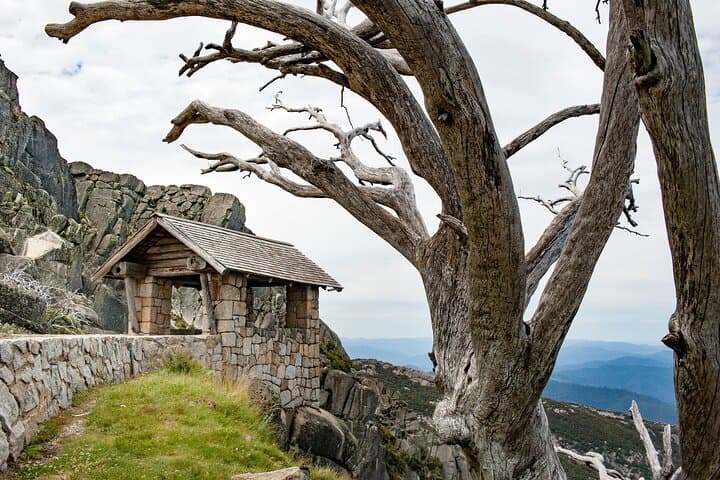
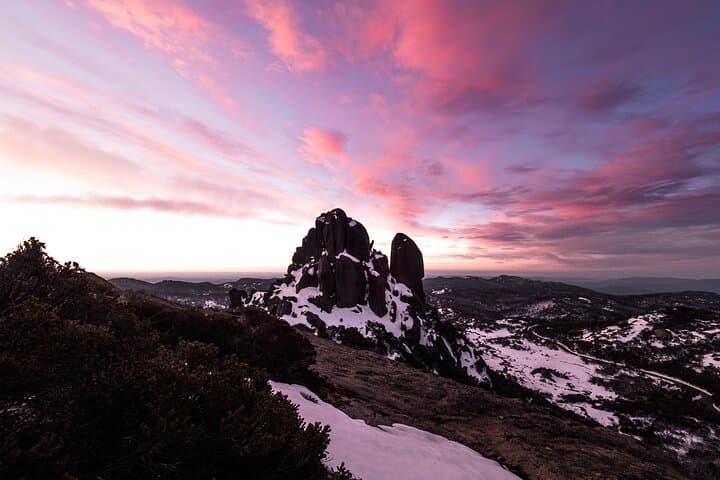
A cold wind lifts off the plateau as you step from the carpark and the granite underfoot changes the rhythm of your walk. Early light cuts across sculpted tors; moss clings to shaded gullies and the thin high-country air brings a clarity that sharpens every vista.
Verified experiences and guided adventures in the surrounding area.
Operated by Nature Trax · Bright, Victoria
A cold wind lifts off the plateau as you step from the carpark and the granite underfoot changes the rhythm of your walk. Early light cuts across sculpted tors; moss clings to shaded gullies and the thin high-country air brings a clarity that sharpens every vista.
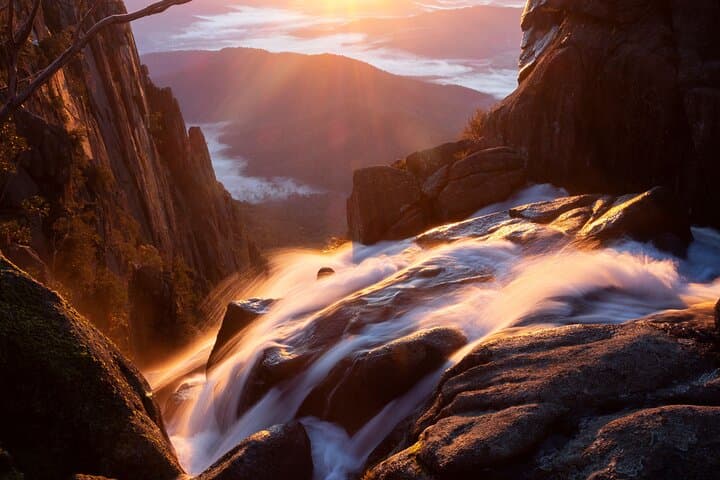
Mount Buffalo National Park's plateau is granite carved by ice-age processes, cliffs and pavements worn into smooth faces and deep gullies that feed waterfalls like Eurobin Falls. The area was set aside for conservation in the 19th century and later became a playground for bushwalking and winter activities—its geology explains the flat lake basins and dramatic drop-offs that define the hikes here.
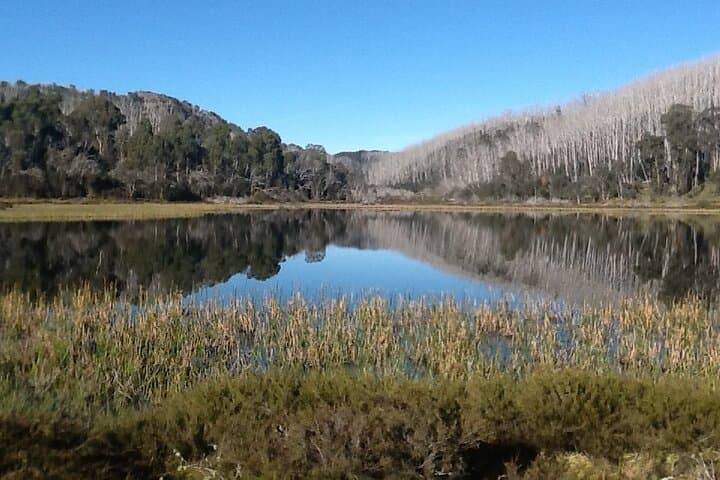
Local guides bring practical knowledge and brief cultural context while encouraging mindful connection with the place—listen for birdcalls, watch for fresh wallaby tracks, and respect sites of significance. Photography stops at Lake Catani and the Gorge give long, composed views; short steep sections and rock-scramble moves are common on medium-grade tracks.
Plan a full day: two medium walks, time for photos and a guided nature-connection exercise. Wear grippy footwear for uneven granite, carry 2–3 liters of water, and layer for rapid temperature swings—morning frost can give way to warm sun by midday. Mobile signal is patchy; bring a paper map or download offline routes. If visiting after heavy rain expect slick rock and higher water flows at falls. With basic hiking fitness this trip is rewarding, sensory, and practical—an alpine day that balances scenery with deliberate pace.
moderate.
6–8 hours (full day).
Moderate fitness; able to sustain steady walking with some short steep sections and light scrambling
Walks are medium-grade—moderate distance with some short steep or rocky sections; suitable for most people with basic fitness.
Bright is the most common base—about a 30–45 minute drive depending on your start point and season.
Coverage is patchy; download offline maps and let someone know your plans before you go.
Tours run year-round but winter brings snow and ice—expect colder conditions and possible access limits; bring winter-specific gear if available.
Mount Buffalo National Park was established in the late 19th century to protect its unique granite plateau and alpine environment; the area has long been used for seasonal movement and cultural practices by local people.
Stay on marked trails to protect fragile alpine vegetation and avoid creating informal tracks; fire risk and erosion are local concerns, so follow park advice and carry out any litter.
Nature Trax operates guided outdoor trips and adventures with an emphasis on safety, stewardship, and memorable experiences.
A cold wind lifts off the plateau as you step from the carpark and the granite underfoot changes the rhythm of your walk. Early light cuts across sculpted tors; moss clings to shaded gullies and the thin high-country air brings a clarity that sharpens every vista.
A cold wind lifts off the plateau as you step from the carpark and the granite underfoot changes the rhythm of your walk. Early light cuts across sculpted tors; moss clings to shaded gullies and the thin high-country air brings a clarity that sharpens every vista.
Mount Buffalo National Park's plateau is granite carved by ice-age processes, cliffs and pavements worn into smooth faces and deep gullies that feed waterfalls like Eurobin Falls. The area was set aside for conservation in the 19th century and later became a playground for bushwalking and winter activities—its geology explains the flat lake basins and dramatic drop-offs that define the hikes here.
Local guides bring practical knowledge and brief cultural context while encouraging mindful connection with the place—listen for birdcalls, watch for fresh wallaby tracks, and respect sites of significance. Photography stops at Lake Catani and the Gorge give long, composed views; short steep sections and rock-scramble moves are common on medium-grade tracks.
Plan a full day: two medium walks, time for photos and a guided nature-connection exercise. Wear grippy footwear for uneven granite, carry 2–3 liters of water, and layer for rapid temperature swings—morning frost can give way to warm sun by midday. Mobile signal is patchy; bring a paper map or download offline routes. If visiting after heavy rain expect slick rock and higher water flows at falls. With basic hiking fitness this trip is rewarding, sensory, and practical—an alpine day that balances scenery with deliberate pace.