About this landmark
Kasanka's Aerial Spectacle
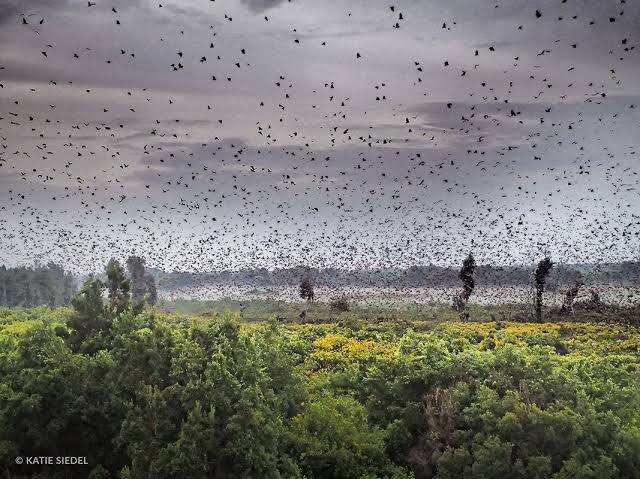
Kasanka National Park, in the heart of Zambia, is a treasure trove of wonder for nature enthusiasts. Famous for its annual bat migration, this park offers a breathtaking view of millions of straw-colored fruit bats taking to the skies at dusk. This natural phenomenon is one of the largest mammal migrations in the world, making Kasanka a must-see spectacle for those captivated by wildlife.
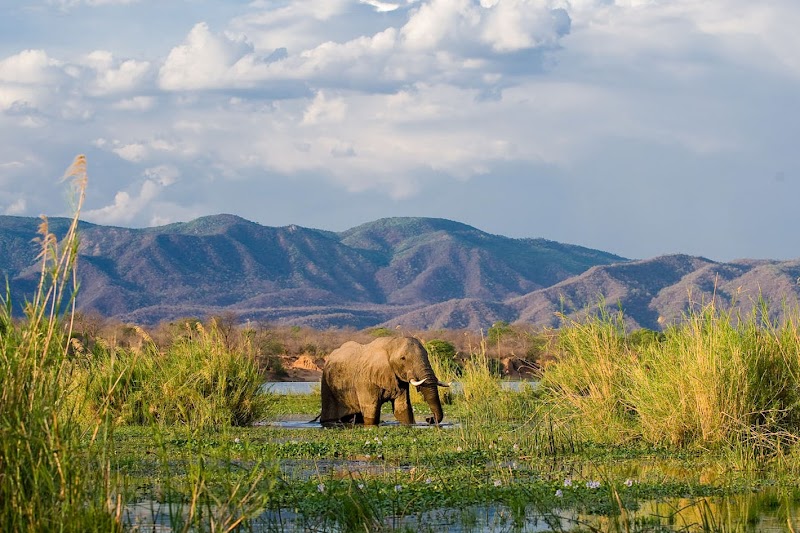
The park itself boasts a mix of dense woodlands, papyrus swamps, and open grasslands, supporting a richly diverse ecosystem. Visitors may encounter elusive species such as the sitatunga antelope and a variety of birdlife, making it a haven for birdwatchers and photographers alike. Established in 1970, Kasanka remains a beacon of conservation efforts, offering guided safaris that emphasize both education and adventure.
Discover the magic of Kasanka and immerse yourself in the harmonious dance of nature—a display truly worth witnessing.
Adventure Guide to Kasanka National Park
1. Bat Migration Viewing
Location: Fibwe Hide
Special Feature: Witness one of the world's greatest wildlife spectacles.
Key Features: Elevated platforms for panoramic views.
Local Insights: This migration occurs from October to December, drawing immense interest worldwide.
Visitor Tips:
- Best Time: Early November for peak bat numbers.
- What to Bring: Binoculars, camera.
- Directions: Approximately a 7-hour drive from Lusaka.
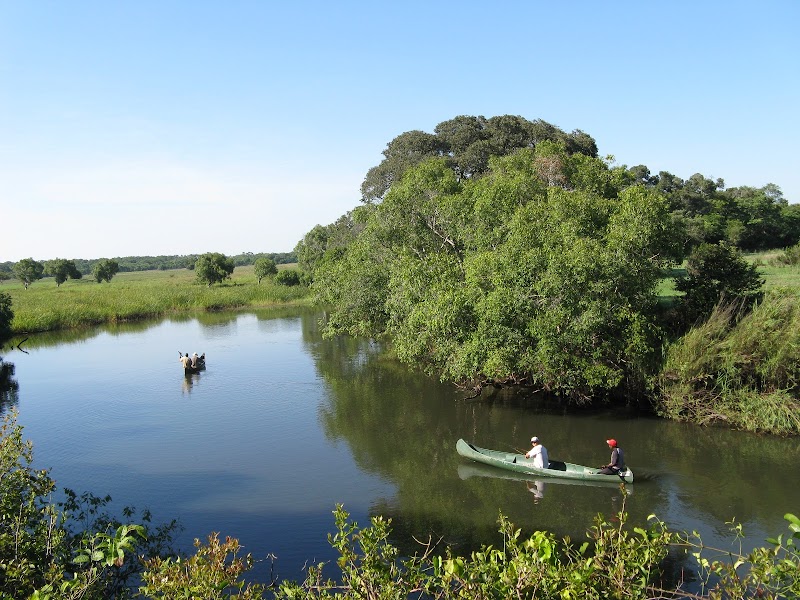
2. Canoeing on Luwombwa River
Location: Luwombwa River
Special Feature: Quiet waters winding through stunning landscapes.
Key Features: Diverse aquatic birds and tranquil scenery.
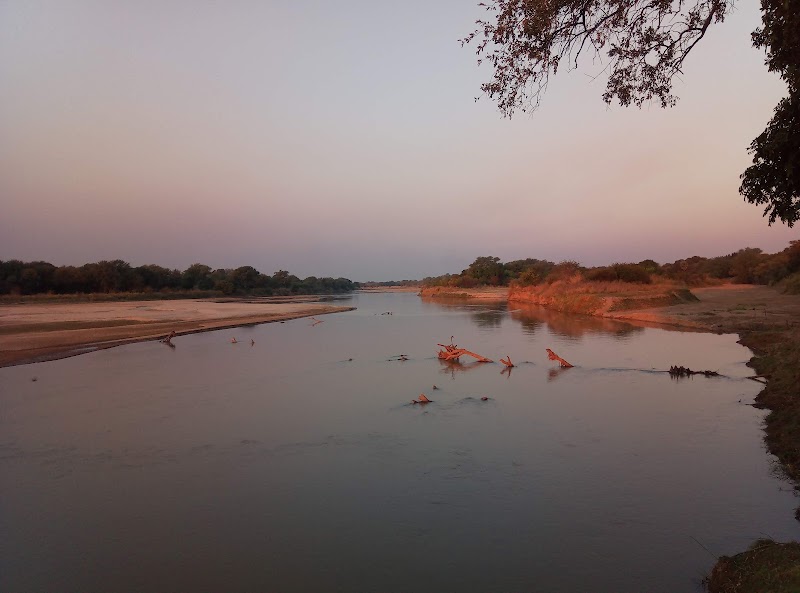
Local Insights: Ideal for birdwatching and encountering hippos and crocodiles.
Visitor Tips:
- Best Time: April to October.
- What to Bring: Sunscreen, insect repellent.
- Directions: Accessible via park's main entry.
3. Hiking the Kasanka Trails
Location: Various trails within the park
Special Feature: Explore diverse ecosystems.
Key Features: Trails suited for all skill levels.
Local Insights: Guides can provide exceptional knowledge about flora and fauna.
Visitor Tips:
- Best Time: April to August for cooler temperatures.
- What to Bring: Good walking shoes, water.
- Directions: All trails start from the park's visitor center.
Visitor Tips
- Best Times:Fall for favorable conditions and optimal lighting.
- What to Bring:Plenty of water, sun protection, a camera, and respectful Leave-No-Trace mindset.