
Navigating Dhaka’s Urban Trails: Hiking Adventures in the City’s Green Pockets
Discover hiking within Dhaka’s surprising green pockets, where the urban hustle meets pockets of resilient nature. This guide offers practical tips and highlights the unique challenges of hiking in Bangladesh’s bustling capital city.
Hydrate for Humid Conditions
Carry at least 2 liters of water and replenish when possible to avoid dehydration due to Dhaka’s high humidity and heat.
Wear Breathable Footwear
Choose lightweight shoes with good ventilation and grip to handle slippery, often muddy paths especially after rain.
Choose Early or Late Hours
Start hikes early morning or late afternoon to avoid peak sun exposure and to enjoy softer light for photography and cooler air.
Stay Alert Around Waterways
Paths near rivers and wetlands might be uneven and wet. Watch your footing to avoid slips and respect the local ecosystem.
Navigating Dhaka’s Urban Trails: Hiking Adventures in the City’s Green Pockets
Dhaka, the pulsing heart of Bangladesh, rarely brings to mind traditional hiking trails. Yet within this urban sprawl, patches of green spaces and riverine edges offer surprising opportunities for short hikes and outdoor exploration. Far from the rugged mountain paths of more famous trekking destinations, hiking in Dhaka demands a different mindset — one attuned to the city’s rhythm and its bursts of natural resilience.
Your adventure begins in spots like the Ramna Park or the National Botanical Garden, where concrete gives way to trees that appear to challenge the busy city life. These areas offer relatively flat terrain, stretching between 3 to 6 kilometers for a decent hike. Elevation gain is minimal, making these routes accessible for casual walkers, though the challenge lies in the intensity of Dhaka’s tropical climate and the lively, sometimes overwhelming urban backdrop.
Trails here meander under dense foliage, where ancient trees lean over pathways like curious observers. The air carries the scent of damp earth and fresh leaves, punctuated by the chatter of local birds — making each step engaging for the senses. The nearby Buriganga River dares you to notice the water’s pull, its currents a reminder of nature’s power even amid the city’s noise.
Planning your hike requires practical preparation. Stay hydrated; the humid climate can sap energy quickly. Lightweight, breathable footwear with good grip is essential, as paths can become slippery during or after rain. Early mornings or late afternoons are the prime windows to avoid peak heat and catch the golden glow that adds texture to this otherwise flat landscape.
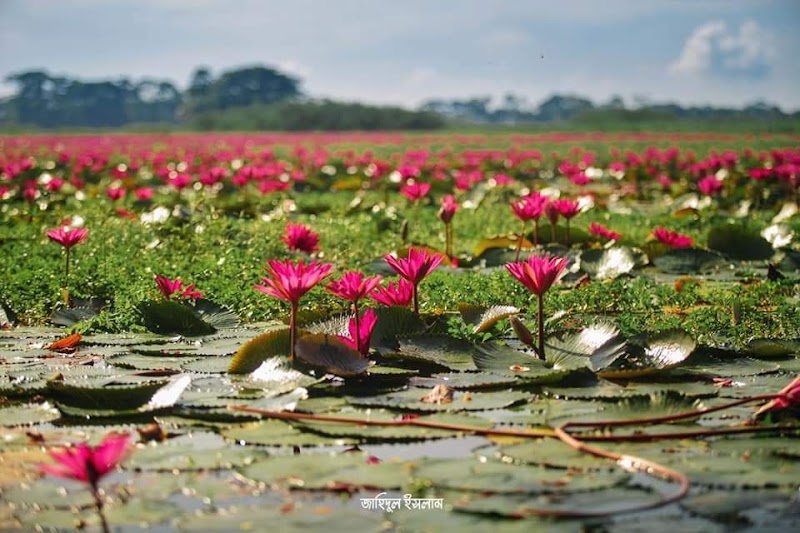
For those craving a layer of challenge, explore the wetlands around the South Dhaka area where muddy trails and water channels test your footing and attention. These areas reveal a side of Dhaka fiercely itself — raw, untamed, and unapologetically present.
While these city hikes lack towering vistas, there is a richness in engaging with Dhaka’s unique intersection of urban life and persistent nature. It is an exercise in adaptability and mindfulness — qualities every hiker needs whether trekking mountain trails or navigating city greens.
In essence, hiking in Dhaka is less about conquering the landscape, and more about respecting the ways natural life and urban existence push against each other, creating a space that invites discovery in unexpected forms.
Nearby Trips
All Adventures
Boat Charters
Water Activities
Adventures near Dhaka
Discover the unique and memorable adventures that make Dhaka special.
Frequently Asked Questions
Are there any challenging hiking trails in Dhaka?
Dhaka’s urban landscape offers mostly flat, moderate trails within its parks and wetlands. While physically undemanding by mountainous standards, the challenge lies in navigating humid conditions and uneven urban-natural interfaces.
Which green spaces in Dhaka are best for hiking?
Ramna Park and the National Botanical Garden are prime spots for accessible trails. For more rugged terrain, explore the wetlands around South Dhaka, though these require careful route-finding and attention to footing.
What wildlife might I encounter on hikes in Dhaka?
Birds dominate the scene—kingfishers, cormorants, and numerous songbirds frequent green spaces. Reptiles and amphibians appear near water, though larger mammals are rare within city limits.
Is it safe to hike alone in Dhaka’s parks?
During daylight hours in well-trodden parks, hiking alone is generally safe. Exercise normal caution with valuables and stay aware of surroundings, especially near less frequented wetland areas.
How can I access Dhaka’s hiking spots using public transport?
Most major green areas like Ramna Park and Botanical Garden are reachable via local buses, rickshaws, or rideshare services. Plan routes ahead as traffic congestion can add significant travel time.
Are there guided hikes or outdoor groups in Dhaka?
Some local outdoor clubs organize nature walks and wetland explorations, often providing valuable insights into Dhaka’s hidden natural features. Checking social media or local adventure communities is recommended.
Recommended Gear
Breathable Hiking Shoes
Ventilated shoes prevent overheating and provide traction on mixed surfaces.
Water Bottle or Hydration Pack
Key to maintaining hydration in a humid climate.
Lightweight Rain Jacket
Useful for sudden downpours common in summer.
Insect Repellent
Protects against increased insect activity near wetlands and wooded areas.
Local Insights
Hidden Gems
- "Lalbagh Fort gardens offer quiet trails amid historical ruins rarely noted for hiking."
- "Wetlands near the Turag River serve as unofficial nature reserves with seasonal bird migrations."
Wildlife
- "Look for the vibrant oriental magpie-robin, Bangladesh’s national bird, actively darting through trees."
- "Monitor lizards occasionally bask near quieter water edges."
History
"Dhaka’s parks often trace back to colonial landscaping projects or royal hunting grounds, blending cultural history with natural habitats."