About this landmark
Gros Piton: The Iconic Peak of St. Lucia
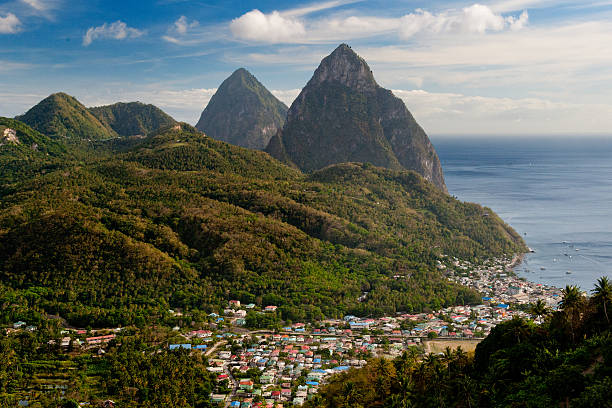
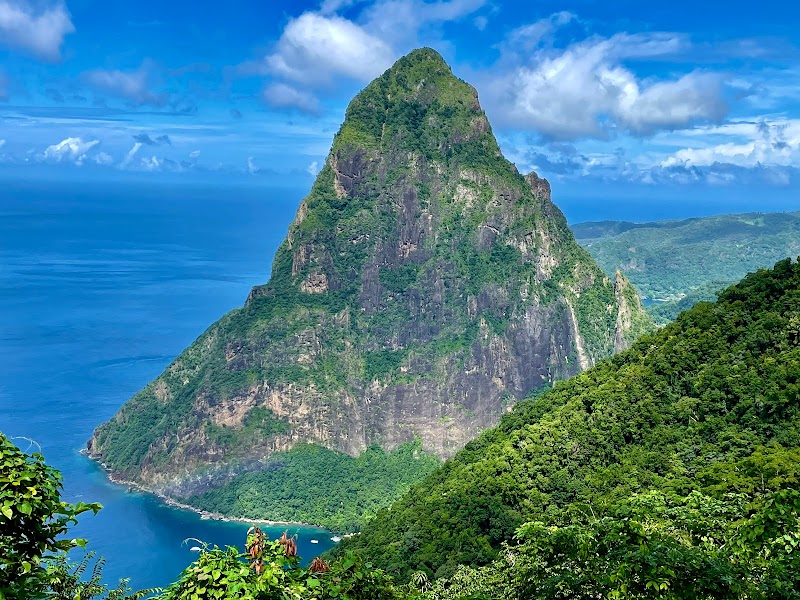
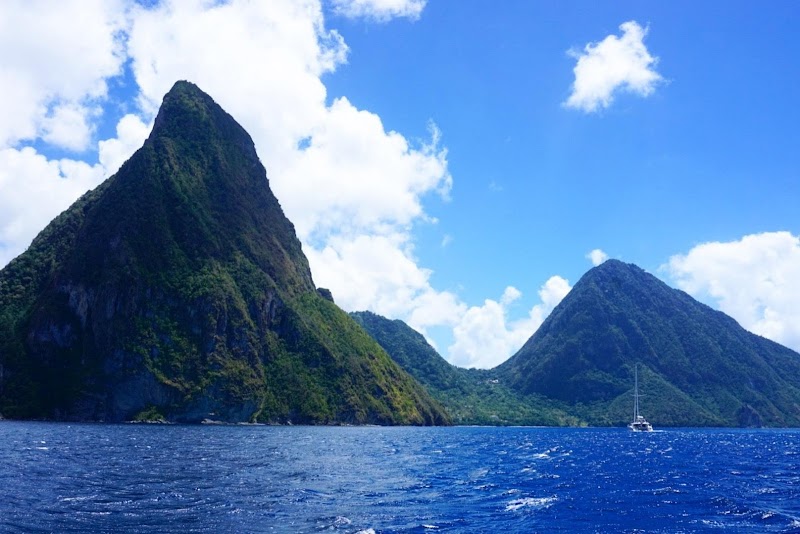
Gros Piton rises dramatically from the southwestern coast of St. Lucia, dominating the island’s skyline with its impressive volcanic form. This towering mountain stands side-by-side with its slightly smaller counterpart, Petit Piton, creating one of the most striking landscapes in the Caribbean. Beyond its sheer size, Gros Piton is known for its vibrant greenery and rugged rock faces, making it a remarkable natural monument in the region.
The mountain is a volcanic plug formed millions of years ago, featuring rich volcanic rock formations and lush tropical vegetation. Its slopes are home to unique flora, such as the St. Lucian parrot, a brightly colored species endemic to the island’s rich forests. The mountain’s location near the coastal town of Soufrière makes it easily accessible for visitors aiming to experience its beauty up close. Recognized as a UNESCO World Heritage Site, Gros Piton forms a key part of the Pitons Management Area, prized for its ecological and geological importance.
Visitors often admire Gros Piton from various vantage points across St. Lucia—whether from the sea during boat cruises or from the shoreline and mountain roads that offer panoramic views. However, the most memorable experience is the climb to the summit, where 360-degree views of the Caribbean Sea and the island’s volcanic terrain await. The hike is challenging yet rewarding, with well-marked trails that pass through shaded forest areas and rocky sections supported by safety railings.
For those interested in natural history, the climb and surrounding area offer insights into volcanic activity and island ecology, complemented by local stories shared by guides. Gros Piton represents more than a mountain; it reflects the rugged beauty and vibrant life that define St. Lucia’s landscape.
Adventure Guide To Gros Piton
1. Hiking Gros Piton Summit
- What Makes It Special: A moderate to challenging hike offering spectacular views from the top.
- Key Features: Steep rocky paths, shaded tropical forest, safety railings on tough sections.
- Local Insights: Guides provide valuable knowledge about the island’s geology and cultural stories.
- Visitor Tips:
- Best Times: Start early morning to avoid heat and afternoon showers.
- What to Bring: Sturdy hiking shoes, plenty of water (at least 2 liters), sunblock, light snacks.
- Travel Info: About 30 minutes drive from Hewanorra International Airport to Soufrière, where the trailhead is located.
2. Catamaran Cruise Around the Pitons
- What Makes It Special: A relaxing way to view Gros Piton and Petit Piton from the water with stunning photo opportunities.
- Key Features: Boat access to calm bays, glass-bottom viewing, snorkeling around coral reefs.
- Local Insights: Many operators include stops at nearby Sulphur Springs or hidden beaches.
- Visitor Tips:
- Wear swimwear and bring a towel.
- Sunscreen and water shoes recommended.
- Reserve in advance during peak tourist season.
3. Visiting the Pitons Management Area
- What Makes It Special: A protected zone recognized for its biodiversity and volcanic geology.
- Key Features: Bird watching, hiking trails, visitor centers offering ecological information.
- Local Insights: The area’s preservation reflects St. Lucia’s commitment to sustainable tourism.
- Visitor Tips:
- Respect marked trails to protect sensitive habitats.
- Combine with a visit to the nearby Sulphur Springs for a full nature experience.
- Guided tours provide better understanding of the environment and local culture.
With dramatic views, rich ecology, and physical challenge, Gros Piton offers an unforgettable outdoor experience. Whether hiking to its peak or enjoying it from the sea, this natural wonder showcases the vibrant spirit of St. Lucia.
Visitor Tips
- Best Times:Year-Round for favorable conditions and optimal lighting.
- What to Bring:Plenty of water, sun protection, a camera, and respectful Leave-No-Trace mindset.