THE ADVENTURE COLLECTIVE® · Independent discovery and booking for outdoor travel

A private guided ascent of Gros Piton delivers steep forested trails, volcanic geology and sweeping views over Soufrière. Expect a challenging 5–6 hour outing with local natural-history commentary and rewarding summit panoramas.
A private guided ascent of Gros Piton delivers steep forested trails, volcanic geology and sweeping views over Soufrière. Expect a challenging 5–6 hour outing with local natural-history commentary and rewarding summit panoramas.
Dawn breaks over the Caribbean and the dark silhouette of Gros Piton rises like a challenge off Soufrière’s shoreline. The air smells of wet leaf mulch and sea salt; a private transfer drops you at the trailhead and a certified guide takes the lead, pointing out broadleaf trees, epiphytes clinging to trunks and the chatter of small birds.
Verified experiences and guided adventures in the surrounding area.
Operated by IslandTime SLU · Soufrière, Soufrière Quarter
Dawn breaks over the Caribbean and the dark silhouette of Gros Piton rises like a challenge off Soufrière’s shoreline. The air smells of wet leaf mulch and sea salt; a private transfer drops you at the trailhead and a certified guide takes the lead, pointing out broadleaf trees, epiphytes clinging to trunks and the chatter of small birds.
Gros Piton (about 2,461 ft / 750 m) is an eroded volcanic plug formed from ancient lava flows, part of the UNESCO-listed Pitons Management Area. Its slopes record Saint Lucia’s volcanic past in bands of hardened basalt and soil-rich gullies. Culturally, the mountain looms large for Soufrière’s fishing and farming communities; guides often weave local plant lore and stories of early settlers into the climb.
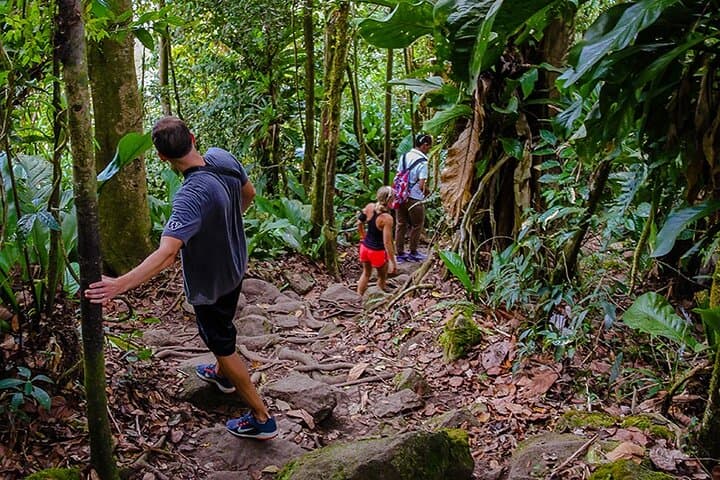
The route is steep and rooted, alternating switchbacks with exposed sections that demand sure footing and occasional handholds. Vegetation gives way near the ridge to panoramic views of the southern coast and distant St. Vincent and the Grenadines — a reward that makes the climb feel purposeful.
Practical guidance: allow 5–6 hours for a guided round trip, start early to avoid midday heat, wear grippy hiking shoes and bring 2 liters of water. The guide provides local insight and manages tricky sections; those with cardiovascular concerns should opt out. Expect muddy patches after rain and bright sun at the summit, so pack layers and sun protection. Leave no trace: stay on the trail, carry out trash, and respect closed areas to reduce erosion and protect endemic plants.
challenging.
5–6 hours.
Moderately fit to very fit — expect sustained steep climbing and short sections of scrambling.
Guided round-trip hikes generally take 5–6 hours from trailhead to summit and back, depending on pace and breaks.
The route is steep with short scramble sections; older children in good shape may do it, but it’s best for hikers with moderate fitness and no serious heart issues.
Local certified guides lead this private tour and are required by many operators for safety; the Pitons area is protected, so organized tours help manage impact.
Expect humid, warm conditions with a chance of brief tropical rain — mornings are usually the most stable for clear summit views.
Gros Piton is part of the Pitons Management Area, a UNESCO World Heritage Site; the peak’s geology reflects Saint Lucia’s volcanic origins and local agricultural history tied to the Soufrière plain.
Trail use is managed to limit erosion and protect endemic plants; visitors are asked to stay on marked paths, avoid collecting flora and pack out all waste.
IslandTime SLU operates guided outdoor trips and adventures with an emphasis on safety, stewardship, and memorable experiences.

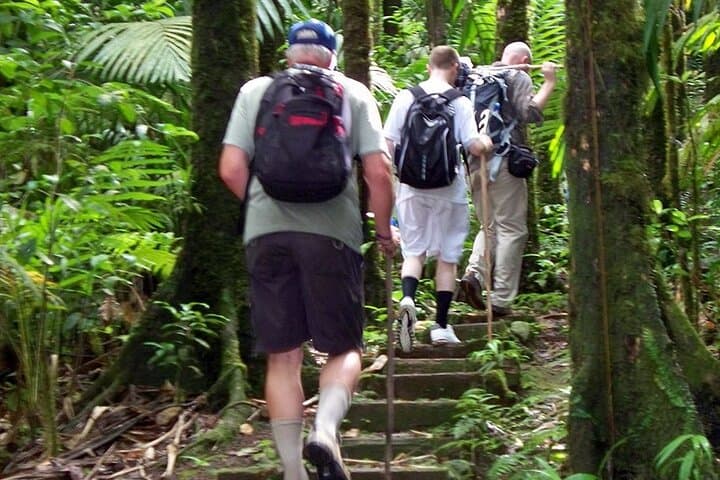

Dawn breaks over the Caribbean and the dark silhouette of Gros Piton rises like a challenge off Soufrière’s shoreline. The air smells of wet leaf mulch and sea salt; a private transfer drops you at the trailhead and a certified guide takes the lead, pointing out broadleaf trees, epiphytes clinging to trunks and the chatter of small birds.
Dawn breaks over the Caribbean and the dark silhouette of Gros Piton rises like a challenge off Soufrière’s shoreline. The air smells of wet leaf mulch and sea salt; a private transfer drops you at the trailhead and a certified guide takes the lead, pointing out broadleaf trees, epiphytes clinging to trunks and the chatter of small birds.
Gros Piton (about 2,461 ft / 750 m) is an eroded volcanic plug formed from ancient lava flows, part of the UNESCO-listed Pitons Management Area. Its slopes record Saint Lucia’s volcanic past in bands of hardened basalt and soil-rich gullies. Culturally, the mountain looms large for Soufrière’s fishing and farming communities; guides often weave local plant lore and stories of early settlers into the climb.
The route is steep and rooted, alternating switchbacks with exposed sections that demand sure footing and occasional handholds. Vegetation gives way near the ridge to panoramic views of the southern coast and distant St. Vincent and the Grenadines — a reward that makes the climb feel purposeful.
Practical guidance: allow 5–6 hours for a guided round trip, start early to avoid midday heat, wear grippy hiking shoes and bring 2 liters of water. The guide provides local insight and manages tricky sections; those with cardiovascular concerns should opt out. Expect muddy patches after rain and bright sun at the summit, so pack layers and sun protection. Leave no trace: stay on the trail, carry out trash, and respect closed areas to reduce erosion and protect endemic plants.