Wilderness Landscape & Natural Heritage
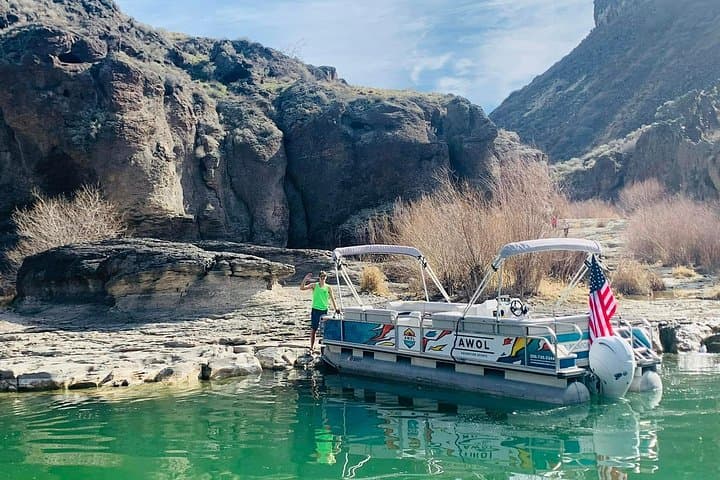
Located in south-central Idaho near the Snake River, Minidoka National Wildlife Refuge protects diverse habitats including wetlands, riparian forests, and perennial streams amidst an arid region dominated by farmland. Established in 1909, it serves as a critical stopover and nesting area for migratory waterfowl, shorebirds, and raptors along the Pacific Flyway. The refuge encompasses seasonally flooded wetlands and cattail marshes that support populations of ducks, geese, herons, and other bird species, as well as mammals like deer and beavers. Visitors to Minidoka can enjoy birdwatching from several observation points, especially during migration seasons in spring and fall, when large flocks gather. The refuge also supports fishing in the adjacent reservoirs and surrounding waterways and offers limited hiking along wildlife observation trails. Its proximity to agricultural lands highlights the cooperation between land management and wildlife conservation. Minidoka holds historic significance as one of the oldest refuges in the National Wildlife Refuge System and remains a vital habitat area in an otherwise arid landscape. Wildlife photographers and nature enthusiasts find ample opportunities for close-up encounters with native wildlife, especially in early morning and late afternoon hours. The refuge’s relatively flat terrain allows easy access for family outings and educational visits, making it a valued resource for local communities and travelers seeking quiet natural settings.