Wilderness Landscape & Natural Heritage
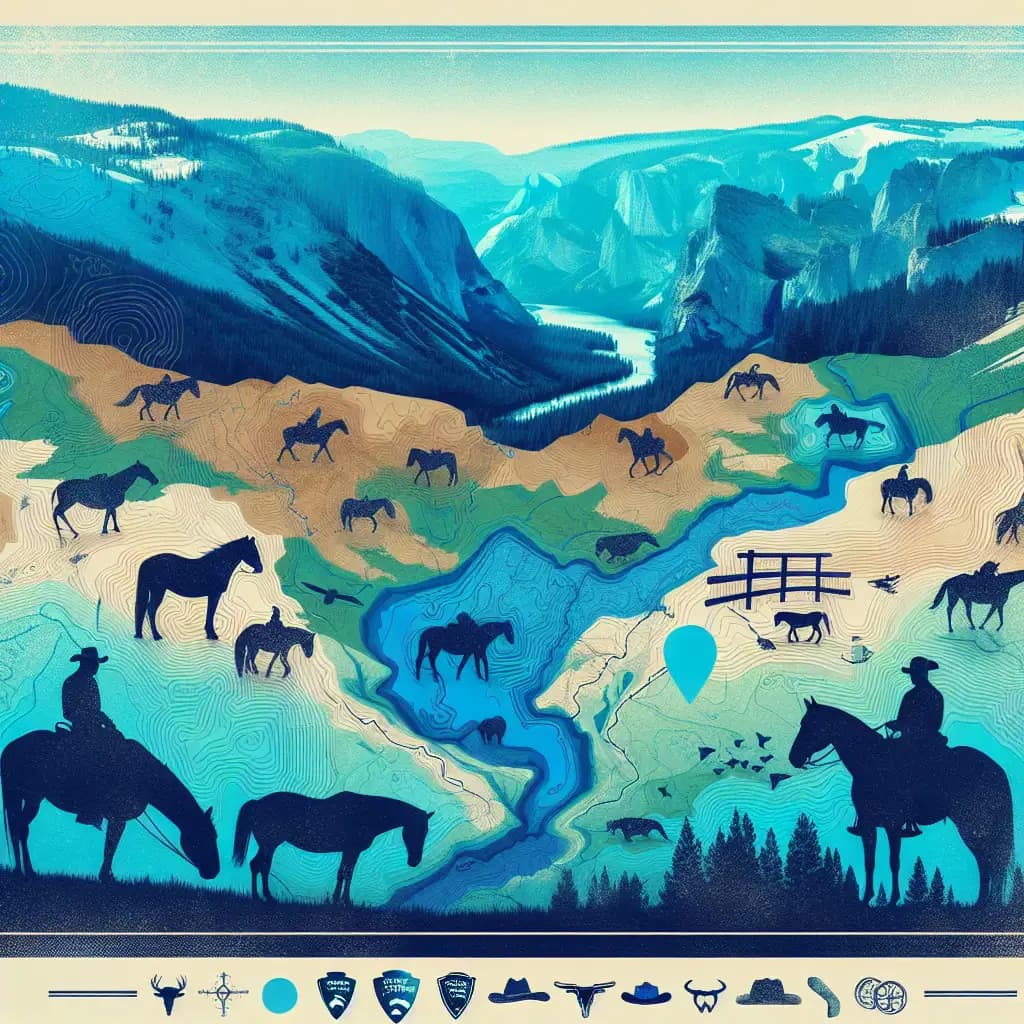
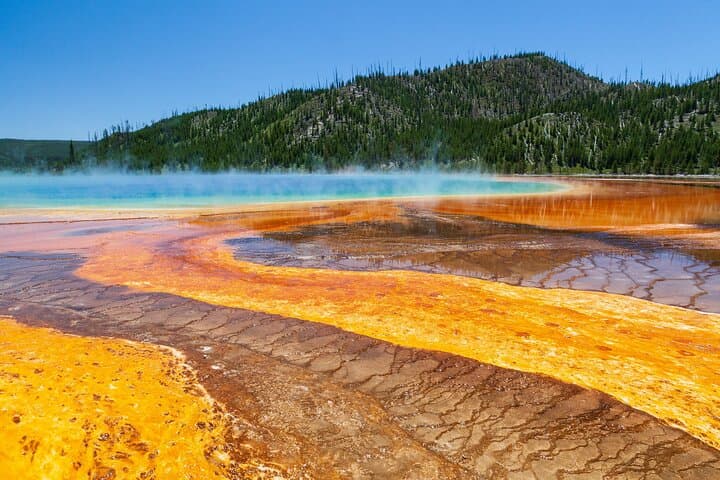
The Yellowstone River Corridor spans approximately 134 miles from Yellowstone National Park downstream through Montana's scenic valleys, encompassing a variety of ecosystems including alpine meadows, riparian forests, and grasslands. As the longest undammed river in the lower 48 states, the Yellowstone River is a critical habitat for native fish species such as the Yellowstone cutthroat trout, as well as an important corridor for elk, deer, bears, and bald eagles. The corridor combines protected lands managed by federal, state, and tribal agencies, including the boundaries of Yellowstone National Park and adjacent national forests. Historically, the river was integral to Native American tribes, early explorers, and settlers, shaping the region’s cultural heritage. Outdoor enthusiasts are drawn by fly fishing, river floating, birdwatching, and hiking along trails paralleling the riverbanks. Notable landmarks within the corridor include the dramatic Grand Canyon of the Yellowstone, with its thunderous waterfalls, and natural thermal features near the river's headwaters. The corridor’s open landscapes also provide excellent vantage points for photography and wildlife observation. Visitors appreciate the blend of wild river character with access points that allow for both serene solitude and engaging adventure. The corridor is managed to protect its free-flowing condition and ecological integrity while promoting sustainable recreation and education about the river’s natural values.