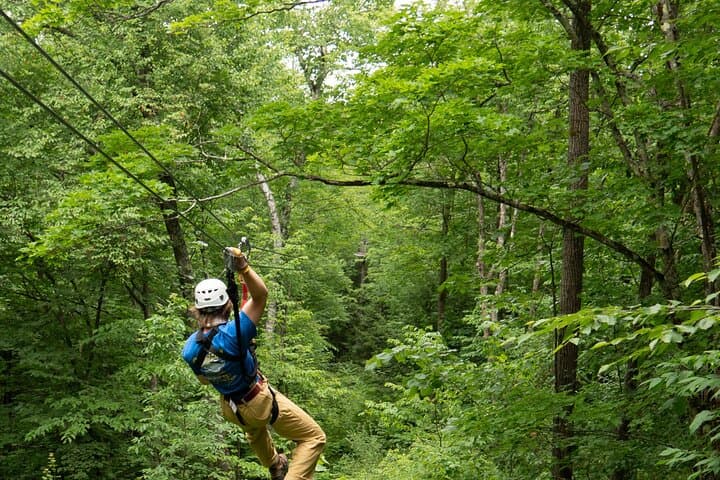
Wilderness Landscape & Natural Heritage
The Ottauquechee River Corridor follows the Ottauquechee River through central Vermont, offering an important conservation area that protects water quality, fish and wildlife habitat, and recreational access. Originating in the Green Mountains, the river flows eastward for approximately 41 miles before joining the Connecticut River. The corridor includes natural riverine landscapes featuring mixed hardwood and conifer forests, wetlands, and floodplain habitats that support species such as brook trout, bald eagles, herons, and beavers. Historically, the river valley was home to Native American tribes and later saw early European settlement, with remnants of historic mills and bridges visible along the corridor. Outdoor enthusiasts can access hiking trails, paddling routes with sections ranging from gentle currents to small rapids, and fishing spots designated for native trout populations. Notable landmarks include the iconic Quechee Gorge—a spectacular 165-foot deep glacial gorge carved by the river—which is both a geological attraction and popular viewpoint. The corridor is cherished for its quiet, natural atmosphere, making it a favored destination for wildlife viewing, photography, and paddlers seeking scenic runs without heavy development. Conservation efforts maintain the ecological integrity of the river while allowing passive recreation. The corridor is accessible from nearby small Vermont towns, providing visitors with opportunities to explore both natural beauty and local culture.