Wilderness Landscape & Natural Heritage
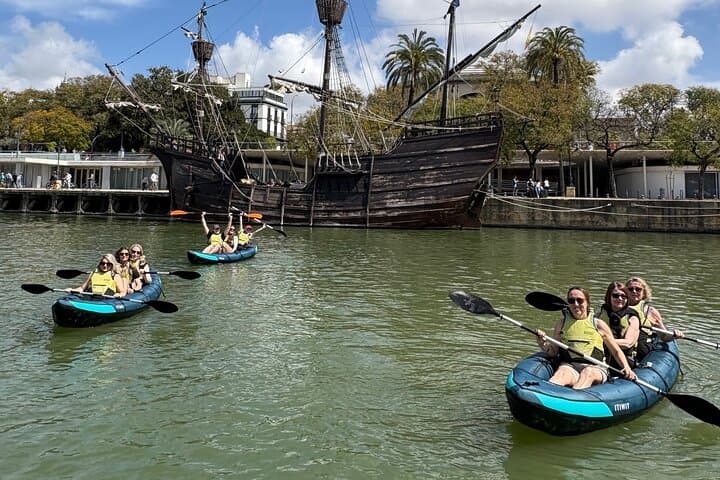
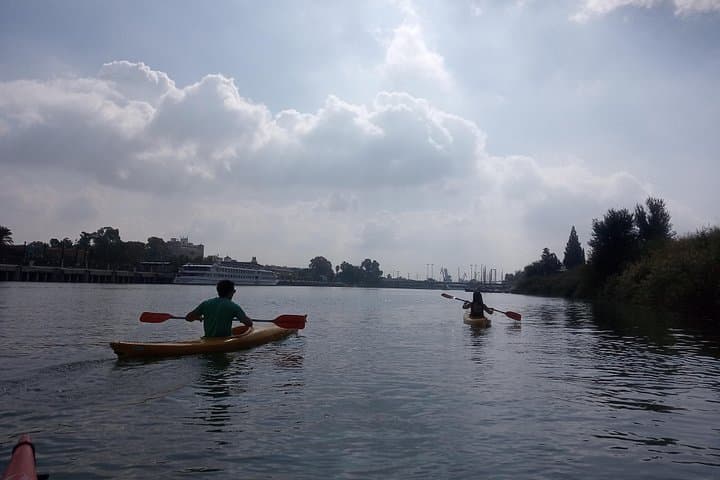
The Guadalquivir River, spanning approximately 657 kilometers (408 miles), is the second longest river in Spain and the principal river of the Andalusia region. It originates in the Cazorla Mountains in the province of Jaén and winds its way through key cities such as Córdoba and Seville before emptying into the Atlantic Ocean near the Gulf of Cádiz. Its name derives from the Arabic 'Wadi al-Kabir', meaning 'Great River'. The river's basin has fostered extensive agriculture, wetlands, and diverse ecosystems, including riparian forests and marshes which support an array of bird species such as flamingos, herons, and eagles. The Guadalquivir has played a crucial historical role—from Roman times, through the Moorish period, to its importance in the Age of Exploration as the gateway for ships sailing to the Americas, centered around the port of Seville. Outdoor recreation along the Guadalquivir includes boating, fishing, birdwatching, and hiking in adjacent natural parks like Doñana National Park located near its delta. Numerous cultural and architectural landmarks dot its banks, including the iconic Roman Bridge in Córdoba and the Torre del Oro tower in Seville. The river's lower basin supports significant wetlands protected under international environmental agreements for their biodiversity value. For visitors, the Guadalquivir offers a blend of natural beauty, wildlife observation, historical insight, and leisure activities in a temperate Mediterranean climate, making it a unique destination for those interested in both nature and culture.