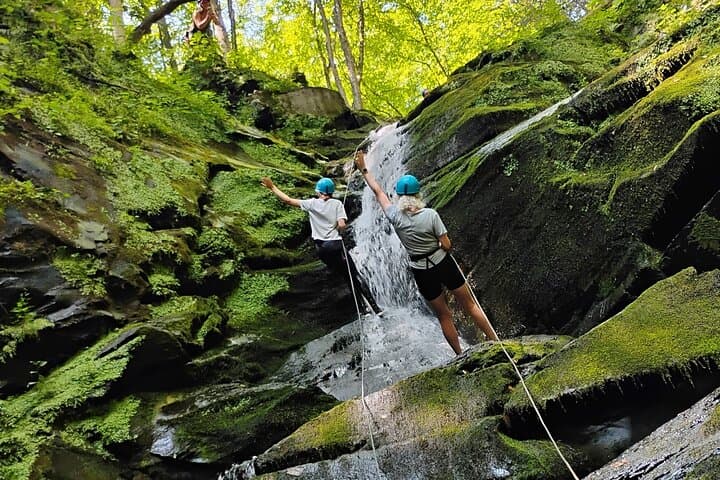
Wilderness Landscape & Natural Heritage
The Delaware River stretches approximately 330 miles from the Catskill Mountains of New York through Pennsylvania, New Jersey, and Delaware until it empties into the Delaware Bay and the Atlantic Ocean. It serves as a critical freshwater resource and supports extensive ecological diversity, including migratory fish species like shad and eels. The river corridor encompasses varied habitats such as forested banks, wetlands, and rocky outcrops that provide homes for numerous birds, mammals, and aquatic life. Historically, the Delaware River was an essential route for Native American tribes and later European settlers, playing a key role in commerce and transportation. Today, it allows visitors to engage in many outdoor activities including kayaking, canoeing, fishing, birdwatching, and scenic hiking along adjacent trails like the Delaware & Raritan Canal Towpath. Notable landmarks along the river include the historic Roebling Suspension Bridge, the Delaware Water Gap National Recreation Area, and the scenic cliffs of the Palisades. The river’s designation under the National Wild and Scenic Rivers Act helps protect its free-flowing nature and high water quality. Visitors experience a mix of tranquil natural settings and vibrant riverfront communities offering cultural and recreational opportunities. The Delaware River is popular for both day trips and extended excursions, providing access to boat launches, campgrounds, and picnic areas. Its broad reach across diverse landscapes makes it a prized destination for outdoor enthusiasts and conservationists alike.