Wilderness Landscape & Natural Heritage
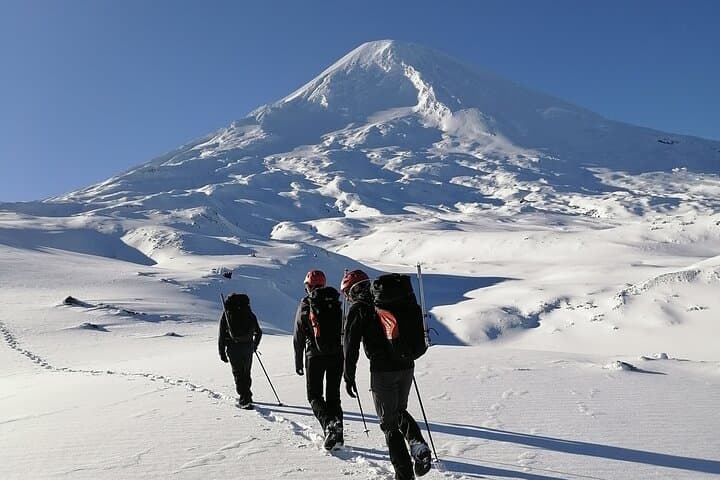
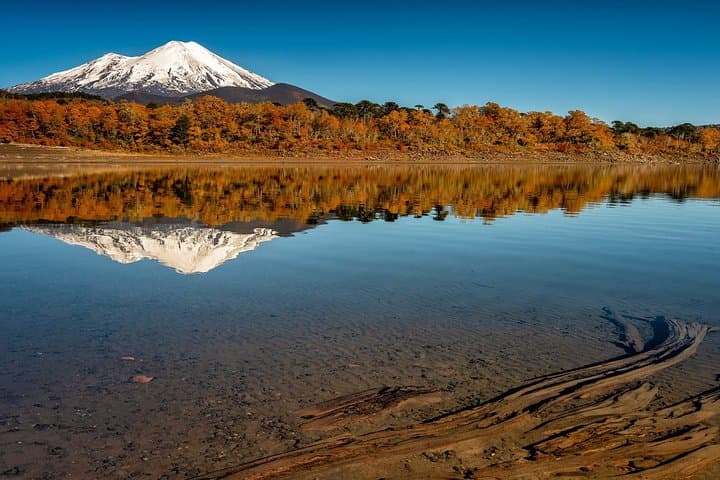
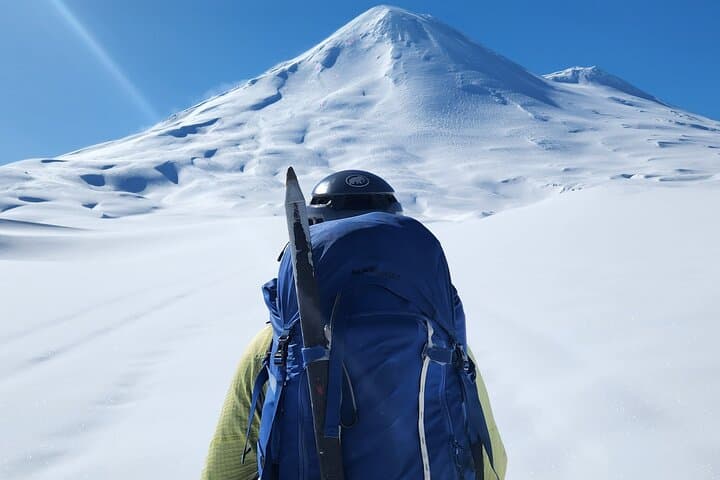
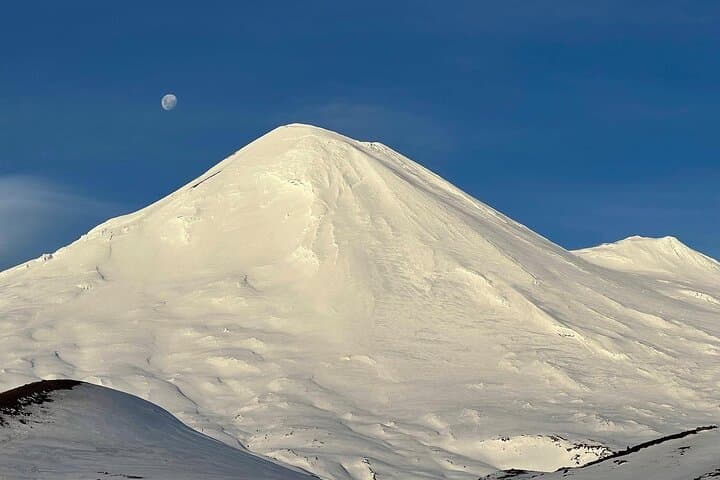
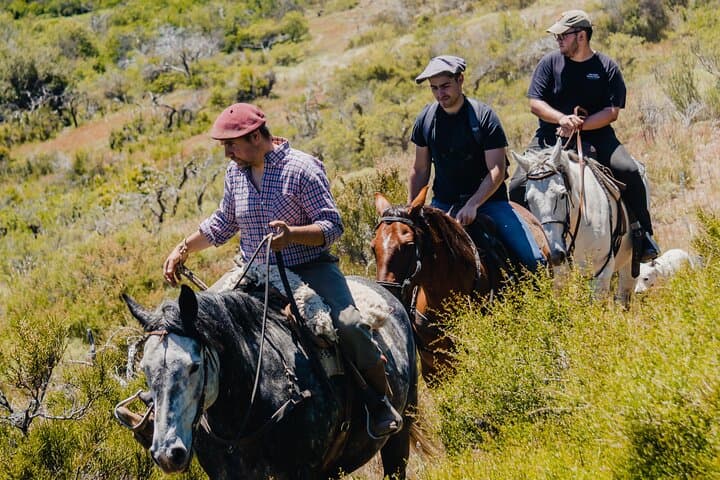
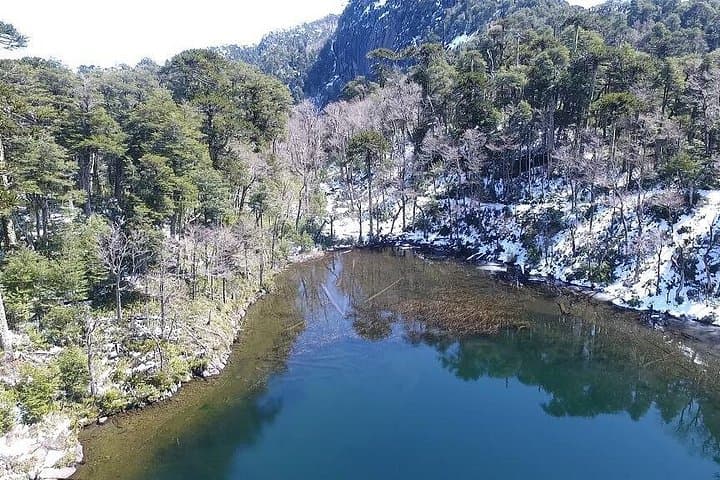
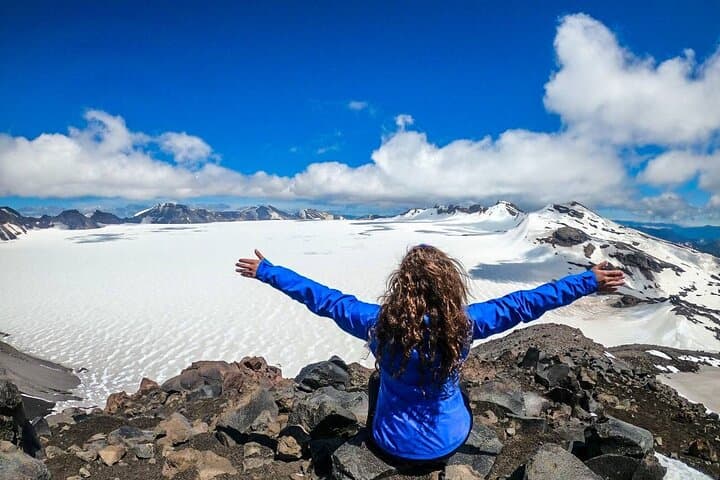
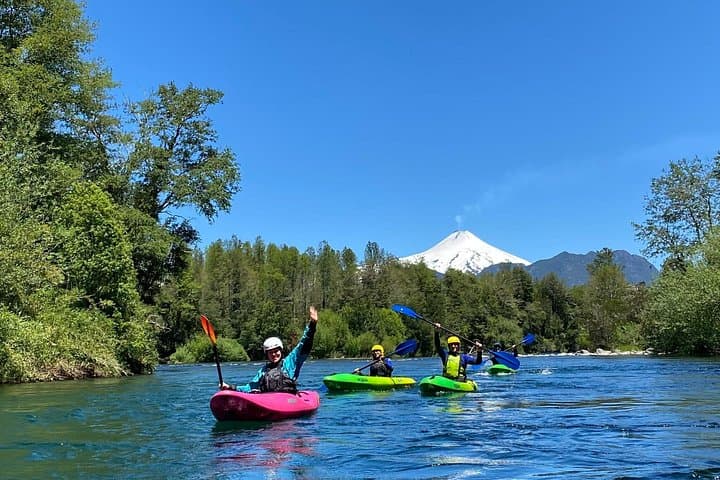
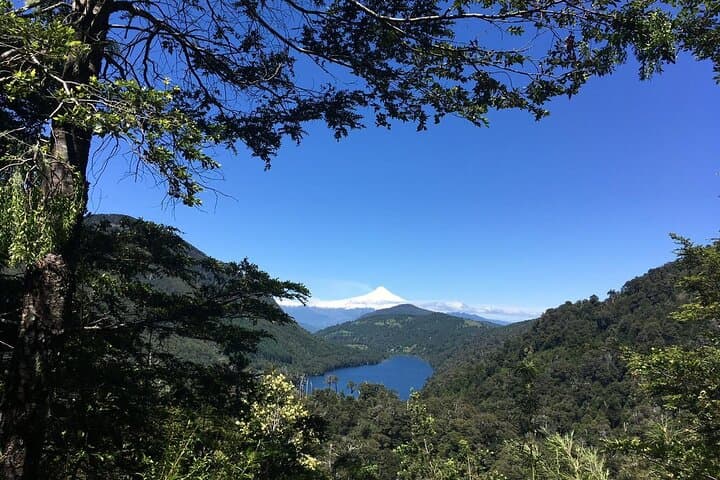
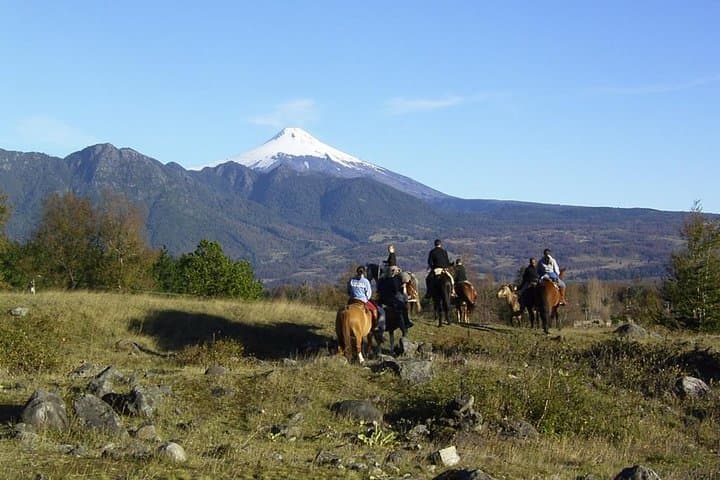
Located in western Neuquén Province, Argentina, Copahue Provincial Reserve encompasses the area surrounding the active Copahue Volcano near the Chilean border. Established to protect both the unique volcanic terrain and the surrounding Andean-Patagonian forest ecosystems, the reserve offers a rare blend of geothermal activity and biodiverse habitats. The reserve's landscape is marked by volcanic cones, sulfur vents, hot springs, and crater lakes, with elevations ranging from approximately 1,200 to over 2,900 meters. Native forests of lenga beech (Nothofagus pumilio) and coihue (Nothofagus dombeyi) dominate lower elevations, providing habitats for species such as the Andean condor, puma, and the elusive huemul deer. Human presence dates back centuries with indigenous Mapuche communities historically inhabiting the zone, alongside modern settlements relying on the volcano's therapeutic hot springs. Visitors to Copahue Provincial Reserve can enjoy hiking in alpine and forested environments, geothermal bathing at natural hot springs, birdwatching, and photography of dramatic volcanic landscapes. The nearby town of Copahue serves as the reserve's gateway and spa center. The area is known for its volcanic activity with intermittent eruptions, which adds an element of excitement and caution for visitors. Pristine wilderness combined with geologic wonders attract eco-tourists and adventure seekers alike. The reserve's remote location and limited infrastructure help maintain its wild character, appealing to those aiming to experience Patagonia's rugged Andean frontier.