Wilderness Landscape & Natural Heritage
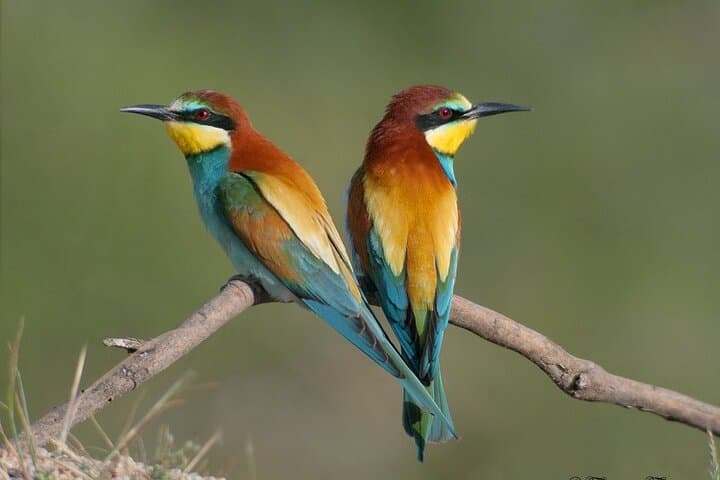
Located in the autonomous community of Extremadura in western Spain, Dehesa de Trujillanos Protected Landscape is an iconic example of the traditional dehesa ecosystem, characterized by extensive holm oak and cork oak woodlands interspersed with pasture lands. This protected area spans gently rolling terrain that has been shaped by centuries of low-intensity farming, grazing, and cork harvesting, promoting a sustainable coexistence between man and nature. Ecologically, the landscape supports an exceptional diversity of flora and fauna including endangered species such as the Iberian lynx, Spanish imperial eagle, and black vulture. The region also hosts rich birdlife and important populations of wild boar and red deer. Historically, the dehesa system dates back to Roman and medieval times, playing a vital role in rural economy and culture. Recreation opportunities here include hiking through scenic trails lined with cork and oak trees, birdwatching especially during spring and autumn migrations, and exploring traditional villages like Trujillanos with their local gastronomy and crafts. The area is celebrated for peaceful, low-impact outdoor activities including horseback riding and photography, providing a window into both biodiversity and cultural heritage. Visitors appreciate the quiet beauty, panoramic views, and the seasonal cork harvest process that underscores the economic and ecological value of this Mediterranean landscape.