Wilderness Landscape & Natural Heritage
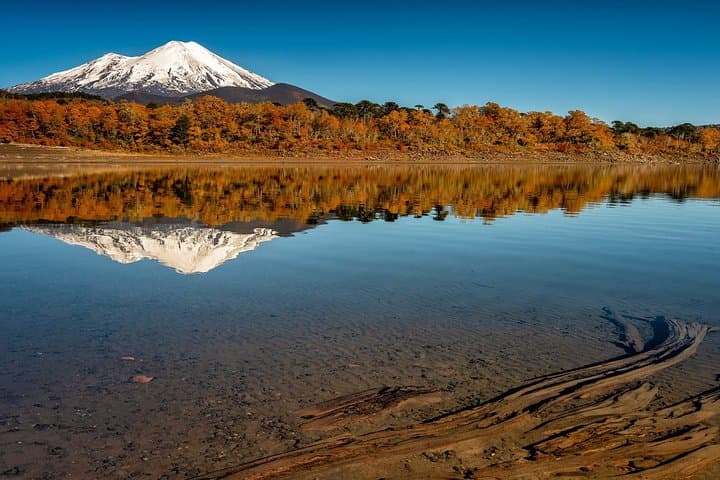
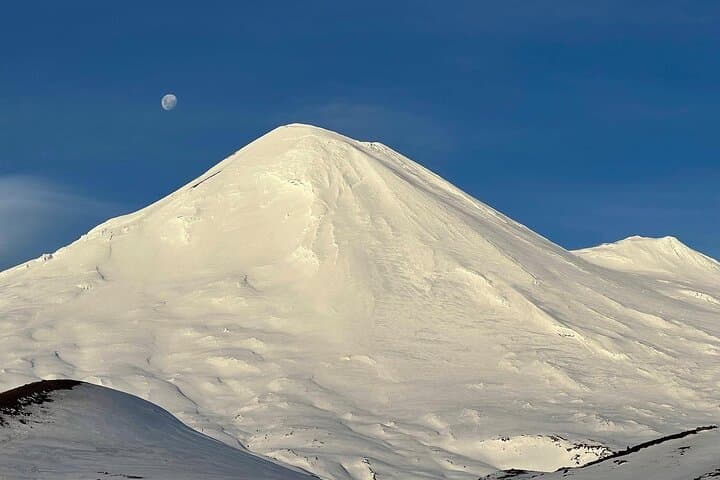
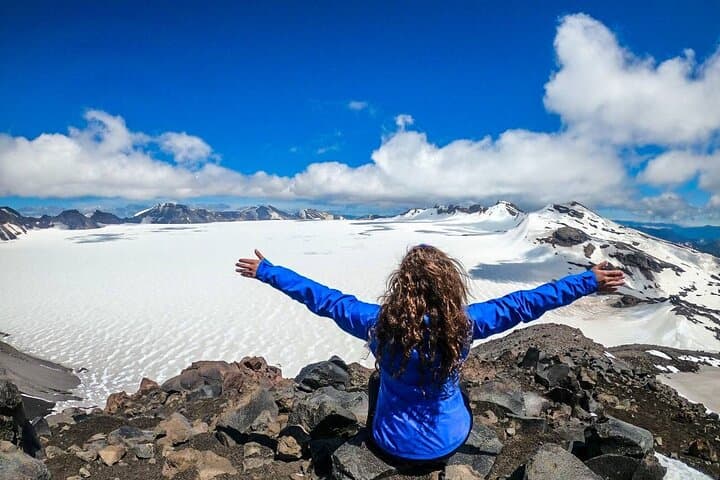
Located in the southwestern region of Neuquén Province, Argentina, the Caviahue-Copahue Protected Forest encompasses a diverse landscape characterized by volcanic peaks, geothermal hot springs, and dense forests of native lenga and araucaria trees. At the heart of this area lies the active Copahue Volcano, one of the region's most iconic features, known for its fumaroles, acid lagoons, and geothermal phenomena, which create a unique and dynamic environment. The forest surrounds the picturesque village of Caviahue, which serves as the main gateway for visitors seeking outdoor adventures and wellness experiences driven by volcanic mud baths and thermal waters.
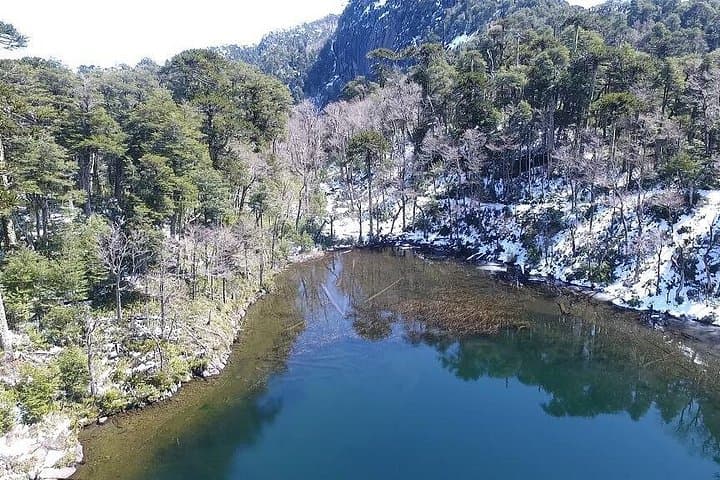
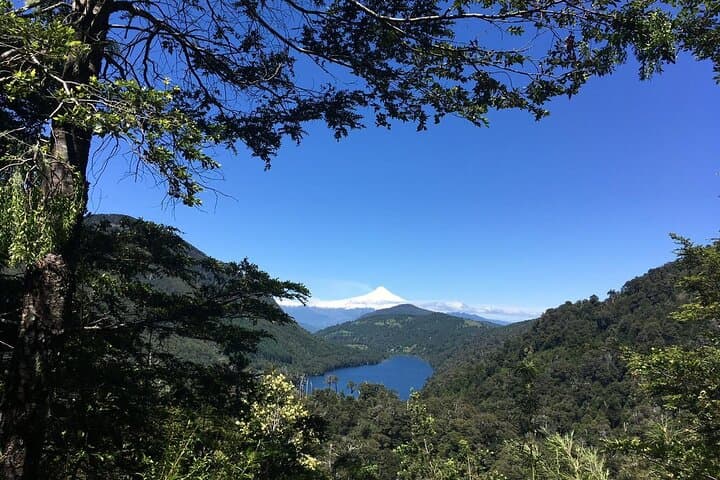
Ecologically, the forest provides habitat for a range of endemic species, including the Andean condor and the pudú, the world's smallest deer. The forest's diverse vegetation zones transition from Patagonian steppe at lower elevations to dense southern beech and araucaria forests closer to the volcanic slopes.
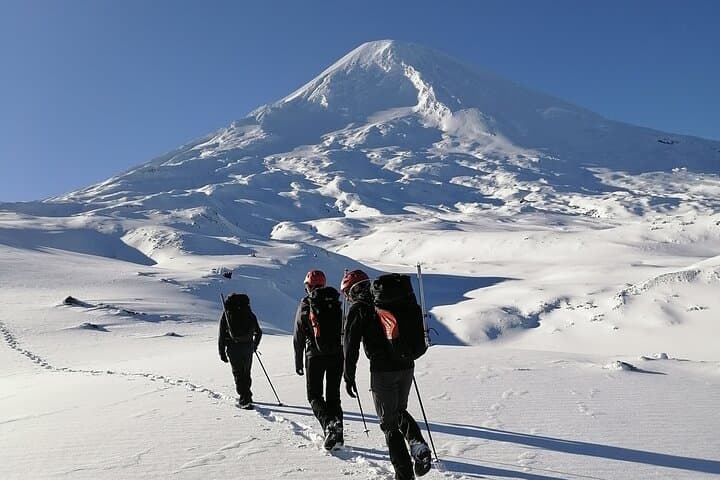
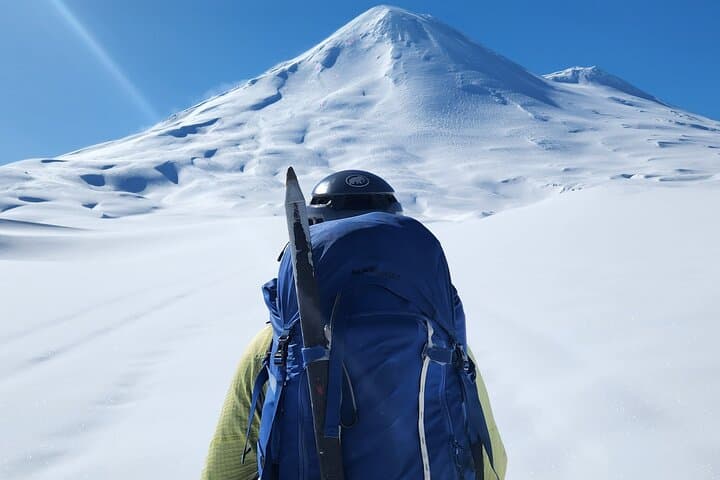
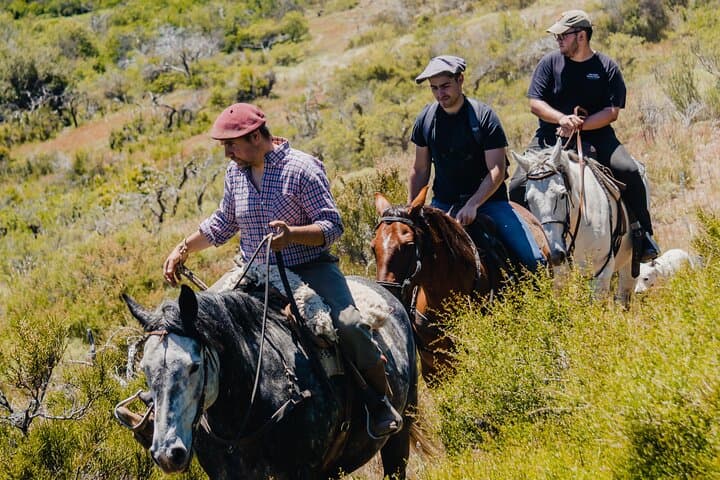
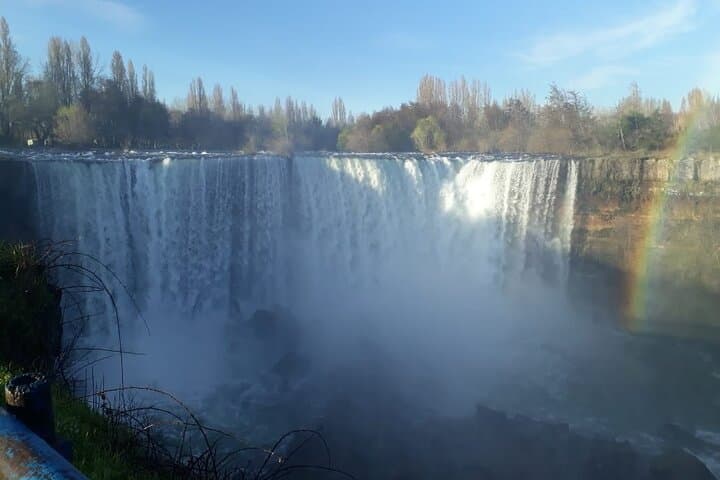
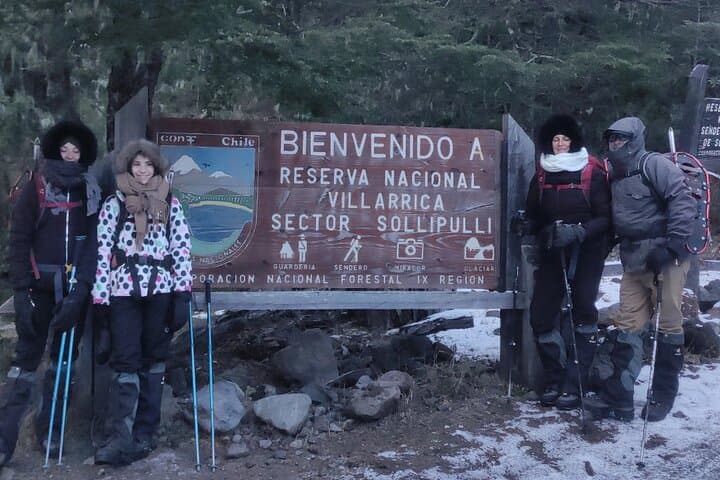
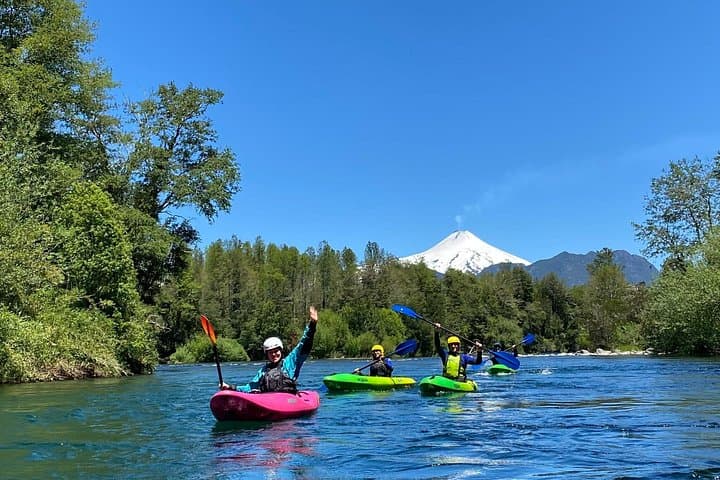
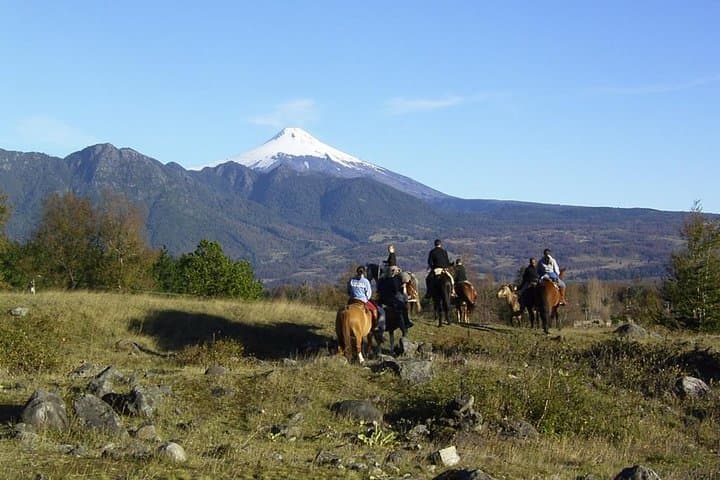
Visitors are drawn to the area for hiking, wildlife observation, mountain biking, and thermal spa treatments, as well as winter sports like skiing at nearby resorts. The network of trails offers access to panoramic overlooks of the volcanic complex, pristine alpine lakes, and lush forest valleys. Additionally, the region's cultural significance, including Mapuche indigenous heritage, enriches the visitor experience.
With its blend of volcanic geology, thermal features, and native ecosystems, the Caviahue-Copahue Protected Forest is a remarkable protected area that highlights both natural beauty and active geological processes in the Argentine Andes.