Wilderness Landscape & Natural Heritage
Parque Natural de Las Villuercas-Ibores-Jara, established in 2009, encompasses an area of approximately 177,000 hectares in the southwestern part of Spain's Extremadura region. This natural park is characterized by its distinctive karstic mountain formations, chiefly the Villuercas mountain range, which includes the striking Pico Villuercas, the highest point in the area at 1,601 meters. The landscape is marked by deep valleys, rocky outcrops, and diverse Mediterranean forests of holm oak, cork oak, and chestnuts, interspersed with open heathlands and pastures. Its geology reveals ancient Paleozoic rock formations, rare for the Iberian Peninsula, offering a unique setting for geologists and nature enthusiasts alike.
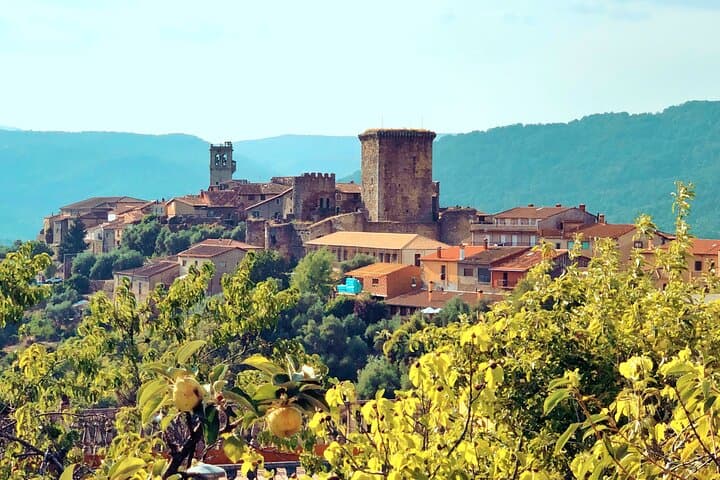
Ecologically, the park hosts a wide variety of flora and fauna, including endangered species such as the Iberian lynx, the Spanish imperial eagle, black vultures, and the Eurasian otter. The hydrological network is defined by the Ibor and Ruecas Rivers, which carve through the landscape and support aquatic biodiversity. Historically, the area has preserved traditional agricultural practices and small villages with rich cultural heritage, including notable examples of rural architecture.
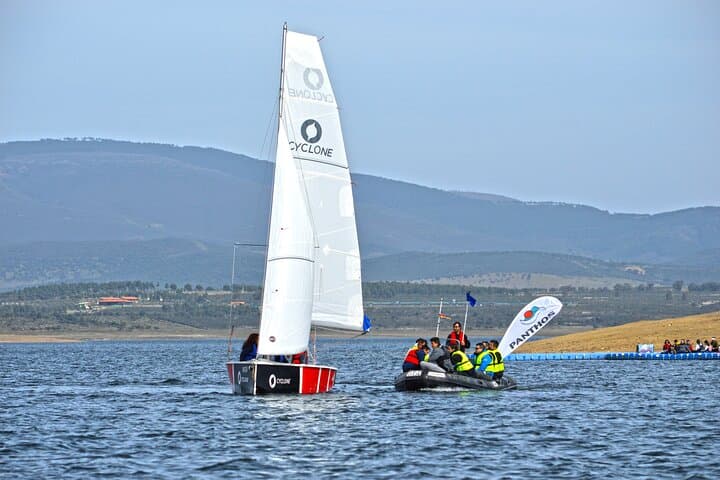
Outdoor recreation is a major draw, with extensive marked hiking trails like the Ruta de los Callejones, known for dramatic limestone cliffs and natural labyrinths. Birdwatchers come to spot rare raptors, while photographers and naturalists value the diverse natural elements. Visitors can explore charming towns such as Guadalupe, home to a famous monastery and a gateway to the park. The park’s remote location offers solitude and a sense of wilderness, attracting those seeking an immersive nature experience with minimal crowds.