Wilderness Landscape & Natural Heritage
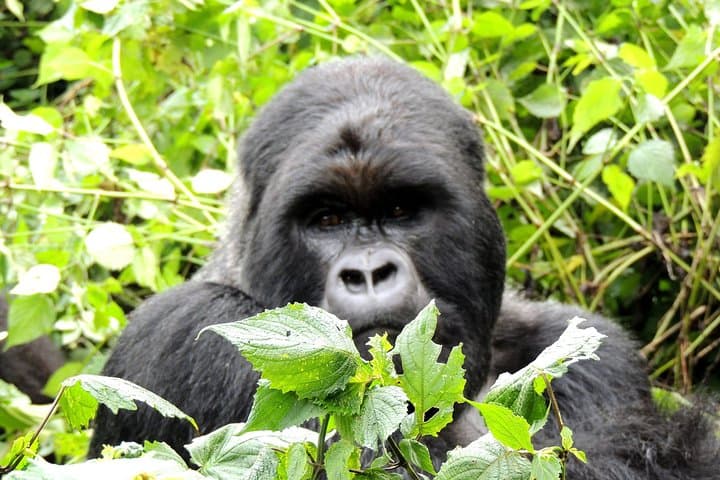
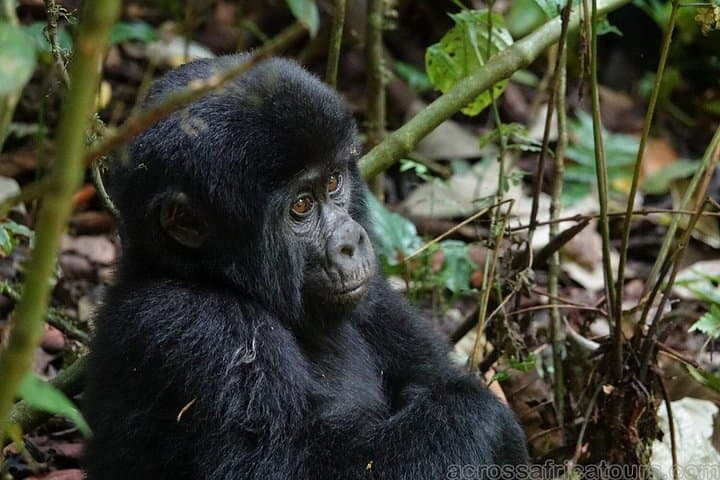
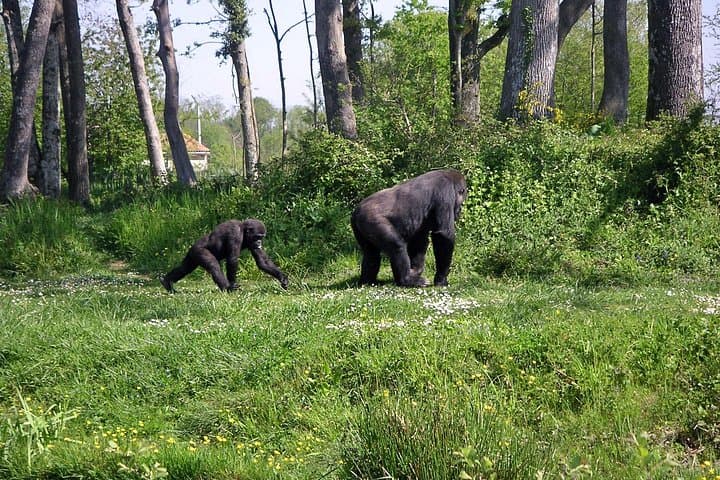
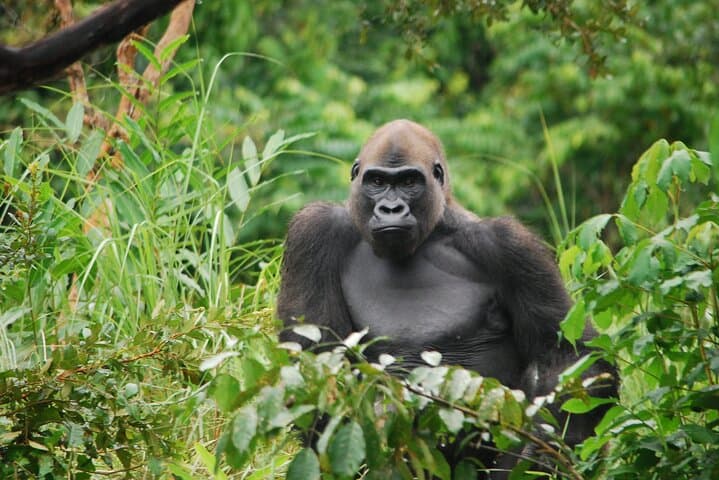
The Wonga-Wongué Presidential Reserve spans approximately 5,000 square kilometers across the Nyanga and Ogooué-Maritime provinces in southwestern Gabon. Created in 2002, it serves as a critical conservation and wildlife refuge, protecting expansive areas of coastal forests, savannahs, and wetlands. The reserve's varied habitats support an array of African wildlife, including forest elephants, buffalo, chimpanzees, hippos, and a diversity of bird species, making it an important haven for conservation and biodiversity.
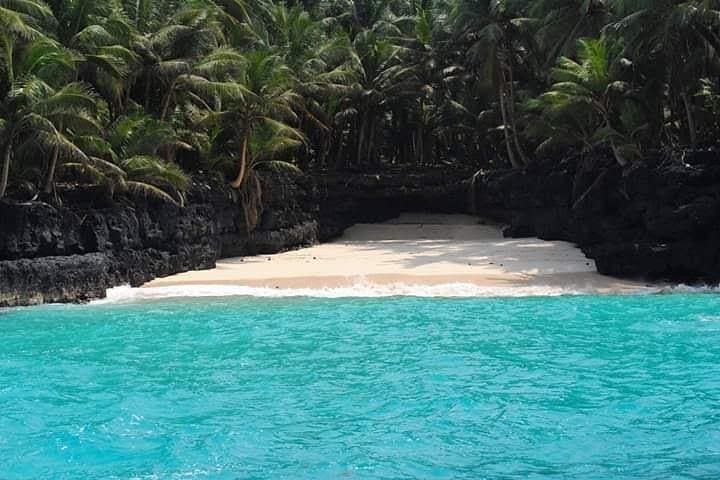
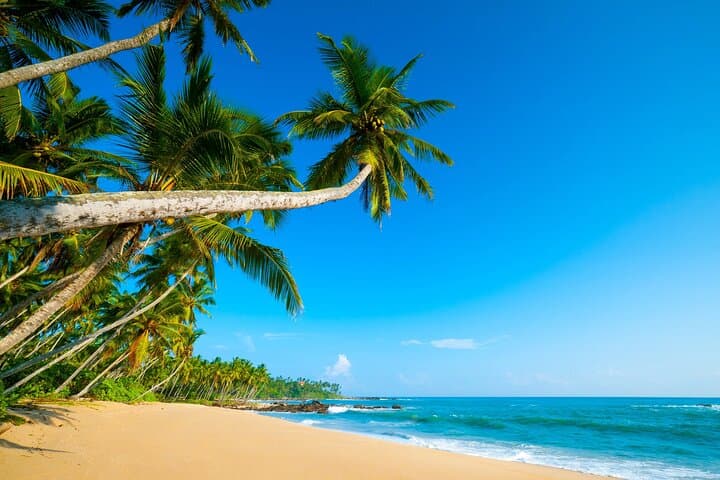
The terrain includes the Wonga-Wongué lagoon complex and surrounding river systems that sustain rich aquatic ecosystems. The proximity of the Atlantic coast adds a unique coastal dimension, with sandy beaches and mangrove stands contributing to the reserve’s ecological diversity. Visitors are drawn by the chance to witness rare wildlife and experience off-the-beaten-path natural landscapes largely free from extensive human disturbance.
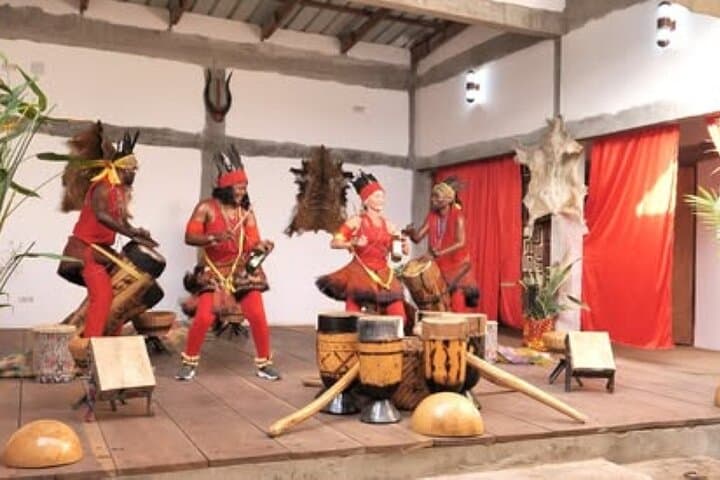
While the reserve remains relatively remote with limited infrastructure, it is gaining attention for eco-tourism and scientific research. Guided wildlife tracking, birdwatching, and river excursions form the core recreation opportunities. The area's cultural heritage is also notable, with indigenous Fang communities present nearby, contributing traditional knowledge to conservation efforts.
The reserve is part of a network of protected areas in Gabon aimed at preserving crucial wildlife corridors and natural habitats. Due to the reserve’s focus on preservation over tourism development, visitors should prepare for rustic conditions and prioritize eco-conscious travel practices. The Wonga-Wongué Presidential Reserve provides a compelling destination for travelers seeking immersive wildlife experiences in a pristine, tropical African environment.