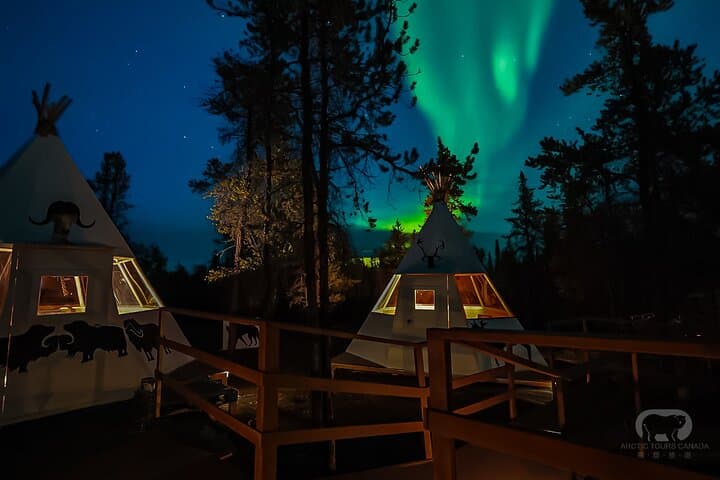
Wilderness Landscape & Natural Heritage
The Tlįchǫ Ramsar Site, designated a Wetland of International Importance under the Ramsar Convention in 2021, encompasses over 4 million hectares of diverse wetland ecosystems within the Northwest Territories of Canada. Situated primarily within the traditional territory of the Tlįchǫ Nation, this expansive site features a mosaic of peatlands, bogs, fens, lakes, rivers, and tundra landscapes. The region plays a critical role as breeding and staging habitat for numerous migratory waterbirds, including species like the Lesser Snow Goose, Tundra Swan, and various species of ducks and shorebirds. Its wetlands provide important carbon storage, supporting global climate regulation, and sustain a wide range of flora and fauna, including iconic northern mammals such as caribou and muskoxen. The area is largely undisturbed and culturally significant; it supports subsistence hunting, fishing, and gathering for the local Indigenous communities, who maintain strong stewardship practices rooted in their deep relationship to the land. Recreational access is limited and mostly oriented toward wildlife viewing and ecological research. The Tlįchǫ Ramsar Site exemplifies pristine northern wilderness, offering a remote and contemplative experience for visitors interested in birdwatching, nature photography, and understanding Indigenous land management. Due to its remoteness and fragile environment, high-impact tourism is minimized, making it a special destination for conservation-minded travelers and scientists.